
From Lincoln Logs to Real Logs: Why Your Cabin Needs Specialized Protection
For Christmas last year, we got my middle son, Lincoln, a few sets of Lincoln Logs. If you know him, you know he loves building—he always has. He’ll sit for hours, meticulously stacking those notched miniature timbers until he’s created a fortress worthy of the frontier.
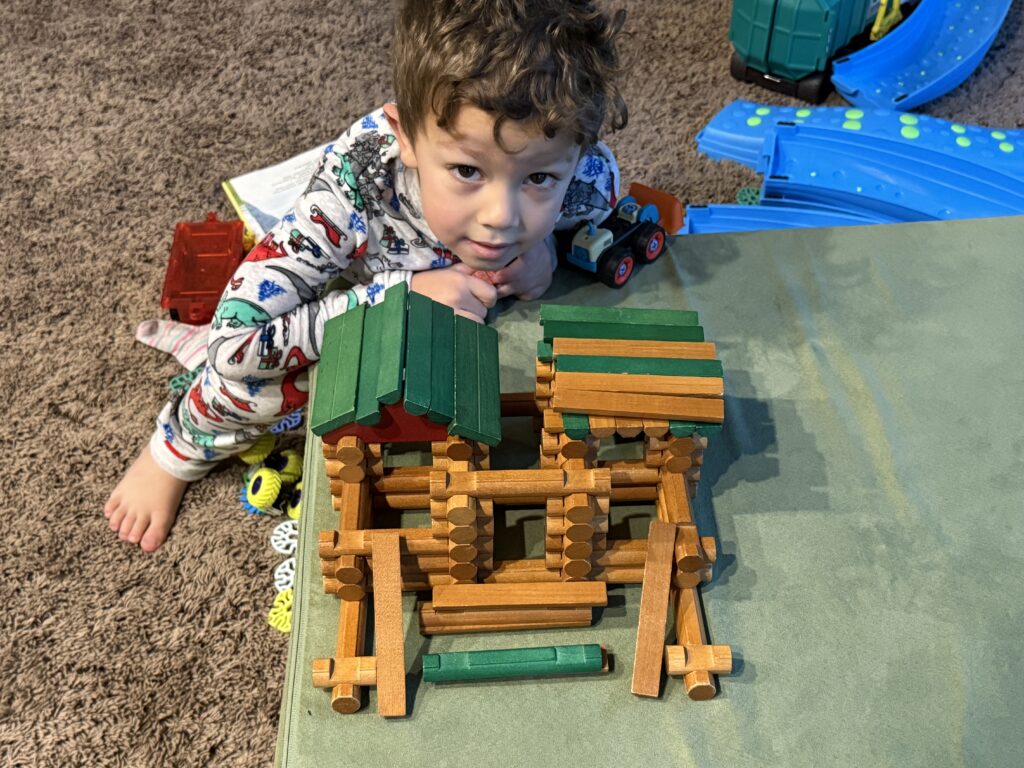
As it was snowing outside and we were sitting by the fire building with the new toys, my mind started to wander. It’s a bit of an occupational hazard, but as I watched him struggle to get a roof piece to sit just right, I started thinking about real-life log cabins. Specifically, I started thinking about the families across Ohio who live in these beautiful, rugged structures and the unique insurance implications they face every day. Naturally, this train of thought led me down a rabbit hole of replacement costs, fire protection classes, and specialized endorsements.
The Allure of the Ohio Log Home
There is something inherently “American” about a log home. It evokes a sense of self-reliance, warmth, and a deep connection to nature. In Ohio, we see everything from 200-year-old historic cabins in the Hocking Hills to modern, multi-million dollar luxury log estates in Geauga County. However, what many homeowners don’t realize is that the very things that make these homes beautiful—the exposed wood, the remote locations, and the artisan craftsmanship—are the exact things that make them a challenge to insure.
Whether you are building a new getaway or buying a historic property, understanding cabin insurance is vital. It isn’t just a standard homeowners policy with a different name; it’s a specialized risk assessment that requires an agent who knows the difference between a milled log and a hand-hewn timber.
Why Standard Insurance Often Falls Short
Most “Big Box” insurance companies use automated software to determine a home’s value. These programs are great for “stick-built” homes—the kind made with 2x4s, drywall, and vinyl siding. But when you plug a log home into that software, the numbers often come back wrong. This leads to two major problems: either you are overcharged for coverage you don’t need, or more commonly, you are dangerously underinsured.
Replacement Cost vs. Market Value
In the insurance world, we care about Replacement Cost. If your cabin burns down, how much will it cost today to buy the logs, transport them to your site, and hire a specialized crew to rebuild? Because log home construction is a niche industry, the labor costs are significantly higher than traditional construction. If your policy is based on standard construction costs, you might find yourself $100,000 short when it comes time to rebuild.
How Construction Type Affects Your Rates
Just like Lincoln’s toy sets, real log homes are built in different ways, and underwriters look at these methods closely. Here is a breakdown of what we look for:
| Log Type | Insurance Consideration |
|---|---|
| Milled Logs | Uniform in size and shape. Easier to value and often cheaper to insure because they are “predictable.” |
| Hand-Hewn Logs | Each log is unique and shaped by hand. These carry a much higher replacement cost due to the artisan labor required. |
| Log Siding | Essentially a stick-built home with a log “veneer.” These are the easiest to insure as they behave like traditional homes. |
The Maintenance Loophole: Protecting Your Investment
One thing I always tell my clients is that maintenance is your first line of insurance. While a policy covers “sudden and accidental” damage (like a fallen tree or a kitchen fire), it does not cover “wear and tear.”
Log homes are living, breathing structures. They shift, they settle, and they are susceptible to moisture. If you don’t keep up with staining and chinking (the sealant between the logs), you risk rot and insect infestation. If your logs rot because they weren’t sealed, your insurance company will likely deny the claim, citing a lack of maintenance. To protect your home, you must be proactive.
The Growth of Alternative Housing in Ohio
Log cabins aren’t the only “unique” structures we are seeing more of lately. The “less is more” movement has taken a firm hold in the Buckeye State. We’ve noticed a huge overlap between people who love the aesthetic of a log cabin and those looking into tiny homes.
The insurance challenges are remarkably similar. Both require specialized knowledge of non-traditional construction. If you’re interested in the smaller side of alternative living, be sure to check out our deep dive into Tiny Home Insurance in Ohio. Whether your home is 400 square feet or 4,000, if it’s built differently, it needs to be insured differently.
Top 5 Risk Factors for Ohio Log Cabins
When we review a cabin policy, we look at several Ohio-specific risk factors that can influence your premium:
- Fire Protection Class: Many Ohio cabins are located in rural areas like the Wayne National Forest or the Mohican region. If your cabin is more than 5 miles from a fire station or 1,000 feet from a hydrant, your rates will be higher. We look for “Protection Class 9 or 10” designations.
- Roofing Materials: Is it a metal roof or cedar shakes? Metal roofs often garner discounts for fire resistance and durability against Ohio’s hail storms.
- Heating Sources: Does the cabin rely on a wood-burning stove or a fireplace? These are iconic for log living but require specific inspections to ensure they are vented properly and meet safety clearances.
- Seasonal Use vs. Primary Residence: If your cabin is a weekend getaway, it faces different risks (like a pipe bursting while you aren’t there) than a primary residence.
- Terrain and Accessibility: Can a fire truck actually get up your driveway in the middle of a January snowstorm? Accessibility is a major underwriting factor.
How to Get the Best Rate Without Sacrificing Coverage
It’s tempting to go for the cheapest quote you find online. But with log homes, “cheap” often means “missing coverage.” Here is how to find the middle ground:
- Bundle your policies: Even with a specialized cabin policy, we can often bundle your auto and umbrella insurance to drive down the total cost.
- Install a Central Monitoring System: A security system that monitors for both fire and low temperatures is a massive plus for cabins, especially seasonal ones.
- Document Everything: Keep records of your log home’s construction, the type of wood used, and your maintenance schedule. This helps us prove the home’s value to the insurance carrier.
Building a Legacy That Lasts
Watching Lincoln build with his logs that snowy afternoon was a reminder that homes are more than just shelter; they are projects of passion. Whether it’s a toy set or a multi-generational family retreat, the effort we put into building and protecting them matters.
Log homes are a beautiful part of the Ohio landscape. They represent a slower pace of life and a respect for craftsmanship. Don’t leave that legacy to chance by using an “off-the-shelf” insurance policy. You need a policy that is as unique as the logs used to build your walls.
Are you ready to ensure your cabin is truly protected? Whether you are currently living in a log home or are just starting the building process, let’s make sure your safety net is as sturdy as your foundation.
Explore Cabin Insurance Options
Reach out to us today, and let’s talk about how we can protect your piece of the great outdoors.
Frequently Asked Questions: Log Cabin Insurance
Because log homes are unique, they naturally lead to a lot of questions. Here are the most common things we discuss with our clients at Ingram Insurance.
1. Is it harder to get insurance for a log home than a regular home?
It can be. Many standard “captive” insurance companies shy away from log homes because their automated underwriting systems don’t know how to value them. However, as an independent agency, we work with specialized carriers that understand log construction, making the process much smoother.
2. Why is log home insurance usually more expensive?
Two main reasons: Replacement Cost and Location. Log homes require specialized timber and artisan labor to rebuild, which costs more than standard drywall and siding. Additionally, many Ohio cabins are in remote areas, which increases the risk of fire damage due to the distance from fire departments.
3. Does my policy cover wood rot or insect damage?
Generally, no. Most homeowners policies exclude “maintenance-related” issues. Since log homes are susceptible to termites, carpenter bees, and rot if not properly sealed, insurers expect you to keep up with regular staining and pest control. This is why staying on top of your chinking and sealant is so important!
4. What is a “Fire Protection Class” and why does it matter?
Insurance companies assign a rating (1 to 10) to your property based on how close it is to a fire station and a water source. A “1” is excellent, while a “10” means you are in a very remote area. Many Ohio cabins fall into higher (more expensive) protection classes because they are tucked away in the woods.
5. Should I choose “Replacement Cost” or “Actual Cash Value”?
For a log home, we almost always recommend Replacement Cost. This ensures that if your cabin is destroyed, the insurance company pays to rebuild it with the same quality logs at today’s prices. “Actual Cash Value” subtracts depreciation, which could leave you with a massive bill out-of-pocket.
6. Does insurance cover my wood-burning stove?
Yes, but you must disclose it. Wood stoves are a classic cabin feature, but they do increase fire risk. Your insurer will likely require an inspection to ensure the stove is professionally installed with the correct clearances from the walls and a proper chimney liner.
7. If I only use my cabin seasonally, do I need a different policy?
Yes. A “Seasonal” or “Vacation Home” policy is different from a primary residence policy. Since the home sits empty for long periods, it has a higher risk of theft or undetected water leaks. You must be honest with your agent about how often the home is occupied to avoid a denied claim.
8. Can I insure my log cabin if I rent it out on Airbnb or VRBO?
Standard homeowners insurance usually will not cover short-term rentals. If you are renting out your Ohio cabin to guests, you need a specialized “Short-Term Rental” endorsement or a commercial policy to protect you from liability and property damage.
9. Does my roof material affect my premium?
Absolutely. While wood shakes look great on a cabin, they are highly flammable and often more expensive to insure. Metal roofs are very popular for Ohio cabins because they are fire-resistant and hold up well against heavy snow and hail, which can often lead to lower premiums.
10. What is “Ordinance or Law” coverage, and do I need it?
This is crucial for older log cabins. If your cabin is damaged, local building codes might require you to make upgrades (like new electrical or plumbing standards) during the rebuild. Standard policies only pay to replace what was there; “Ordinance or Law” coverage pays for the extra cost of bringing the cabin up to modern code.
Still have questions? Every log home is different. Contact us today for a personalized review of your property!
See our BusinessRate Score Here!