
In the digital age, content is the lifeblood of commerce. From the bustling marketing agencies in Columbus to independent investigative journalists in Cleveland and burgeoning podcast studios in Cincinnati, Ohio is home to a vibrant community of creators, publishers, and broadcasters. However, with the power to reach a global audience comes a significant set of legal risks. A single misplaced image, an unverified quote, or a perceived slight in a blog post can result in devastating litigation.
At Ingram Insurance, we specialize in providing comprehensive Media Liability Insurance tailored specifically for the unique legal landscape of the Buckeye State. This isn’t just about having a policy; it’s about having a shield that allows your creativity to flourish without the constant fear of a “cease and desist” turning into a “going out of business” sign.
Understanding Media Liability: More Than Just E&O
Many business owners confuse general Errors and Omissions (E&O) insurance with Media Liability. While they share a common ancestor, Media Liability is a highly specialized form of professional indemnity. Standard E&O policies often focus on financial loss resulting from a service failure—for example, a software developer whose code crashes a client’s server.
Media Liability Insurance, conversely, focuses on “intellectual” and “reputational” injury. It is designed to cover the specific perils associated with the dissemination of information, whether that information is spoken, written, or visual. For Ohio businesses, this coverage is essential because traditional General Liability policies typically exclude “personal and advertising injury” for those specifically in the business of advertising, publishing, or broadcasting.
The Legal Landscape for Ohio Media Professionals
Ohio law regarding libel and slander can be complex. In our state, private figures and public figures have different burdens of proof, but the cost of defending against any defamation claim—even a meritless one—can easily reach six figures. Furthermore, federal copyright laws apply across the board, and the rise of “copyright trolls” means that small businesses are often targeted for minor, unintentional infractions. Ingram Insurance acts as your local partner, navigating these complexities so you can focus on your craft.
The Core Pillars of Coverage
A robust Media Liability policy from Ingram Insurance covers several critical areas that are often left exposed by other insurance products. When we optimize a policy for your Ohio-based business, we look at the following pillars:
1. Defamation (Libel and Slander)
Defamation occurs when a false statement is presented as a fact and causes injury to a person or business’s reputation. Libel is written defamation, while slander is spoken. In the world of social media and 24-hour news cycles, the speed at which a defamatory statement can spread is unprecedented. Whether it’s a review that goes too far or a news report with an unverified source, this coverage pays for your legal defense and any settlements or judgments.
2. Intellectual Property Infringement
This is perhaps the most frequent cause of claims in the modern media environment. It includes:
- Copyright Infringement: Using a photograph, song, or video clip without the proper license.
- Trademark Infringement: Using a logo or brand name that causes consumer confusion.
- Plagiarism: Presenting someone else’s ideas or work as your own, even if unintentional.
3. Invasion of Privacy
As media becomes more intrusive, privacy claims are on the rise. This covers “intrusion upon seclusion” (like using a drone for footage in a private area) and the “public disclosure of private facts.” It also covers the “misappropriation of name or likeness,” which is critical for Ohio influencers and agencies using talent in their campaigns.
4. Errors in Content (Contextual E&O)
If you provide advice or information that leads to a third party’s financial loss or physical injury, you could be held liable. This is common for “how-to” publishers, financial bloggers, or health and wellness influencers. If a reader follows your tutorial and suffers a loss, Media Liability provides the necessary protection.
Who Needs Media Liability Insurance in Ohio?
If you create, aggregate, or distribute content, you have a media exposure. At Ingram Insurance, we see a diverse range of Ohio businesses requiring this protection:
| Industry | Specific Risk Factors |
|---|---|
| Advertising Agencies | Slogan disputes, image licensing, and client brand management. |
| Podcasters & YouTubers | Music licensing, unscripted guest comments, and fair use disputes. |
| Journalists & Bloggers | Investigative reporting, source protection, and libel. |
| Graphic Designers | Font licensing, stock photo misuse, and logo originality. |
| Social Media Influencers | FTC disclosure errors, brand disparagement, and privacy issues. |
The Anatomy of an Ohio Media Liability Policy
When you work with Ingram Insurance, we don’t just hand you a generic policy. We walk you through the nuances of the contract to ensure there are no gaps in your defense.
Occurrence vs. Claims-Made
Most Media Liability policies are written on a claims-made basis. This means the policy must be active both when the content was published and when the claim is filed. We help our clients manage “Prior Acts” or “Retroactive Dates” to ensure that content you produced years ago is still protected under your current policy.
Defense Costs: Inside or Outside the Limits?
In a media lawsuit, the legal fees often dwarf the actual settlement. We help you decide if you want defense costs to be “inside” the limit (which reduces the amount available to pay a settlement) or “outside” the limit (which provides a separate pot of money for lawyers). For high-risk publishers in Ohio, having defense costs “outside” is often the preferred strategy.
The “Hammer Clause”
Many policies contain a clause that allows the insurance company to force you to settle a claim. If you refuse to settle because you want to defend your journalistic integrity, the insurer might only pay what the original settlement would have been. We help you find policies with “soft hammer” clauses (e.g., 50/50 or 70/30) that offer more flexibility in defending your reputation.
Why Ohio Creators Choose Ingram Insurance
The media landscape is shifting rapidly. With the integration of AI-generated content and new privacy regulations, the risks of 2026 are not the same as the risks of 2020. You need an insurance partner that stays ahead of the curve.
Local Advocacy: We aren’t a faceless call center. We are members of the Ohio business community. We understand the local court systems and the specific challenges of operating in our state.
Carrier Access: Because we are an independent agency, we have access to a wide array of A-rated carriers. This allows us to shop the market for you, ensuring you get the most comprehensive coverage at the most competitive price point.
Risk Mitigation Advice: We don’t just sell you a policy; we help you prevent claims. We provide guidance on best practices for content clearance, the use of disclaimers, and how to handle “takedown notices” to minimize your exposure.
Protect Your Creative Legacy Today
Your content is your contribution to the world. Whether you are educating, entertaining, or informing, your voice deserves to be heard without the looming shadow of legal threats. Media Liability Insurance is an investment in your peace of mind and the long-term viability of your brand.
Don’t wait until you receive a formal complaint to realize you’re underinsured. The time to secure your media business is before the “Publish” button is clicked. Let the experts at Ingram Insurance build a policy that reflects the reality of your creative work.
Serving Columbus, Cleveland, Cincinnati, Dayton, all of Ohio; and many additional states.
Community Spotlight: Elevate Your Content
At Ingram Insurance, we believe in supporting the Ohio creative community. While we handle the protection side of your business, we know that great media starts with great production.
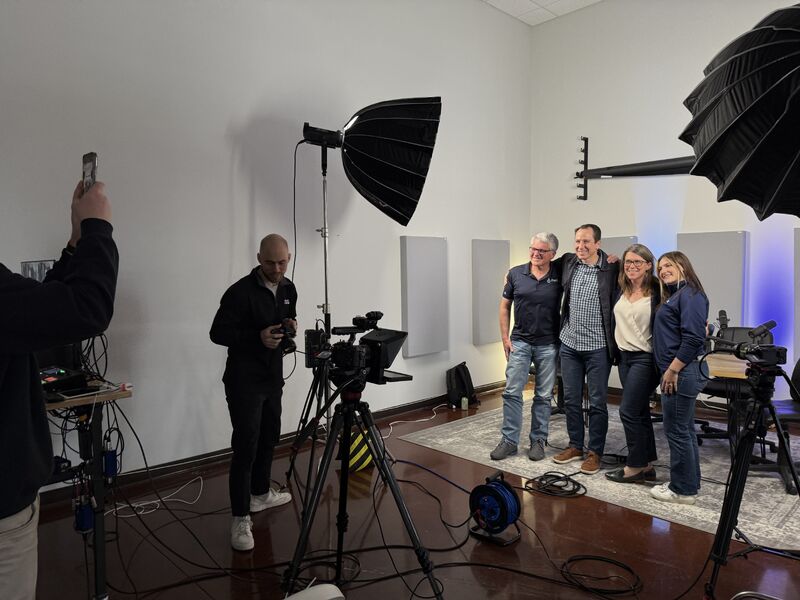
If you’re looking for a media company that pushes boundaries and creates standout visual stories, be sure to check out our friends at Go Rogue Studio. They are a fantastic resource for Ohio creators looking to bring their vision to life with professional-grade production.
Real-World Protection: Case Study Illustrations
Understanding how Media Liability Insurance responds to claims is best illustrated through the common risks faced by Ohio businesses. Below are three hypothetical scenarios based on real-world industry trends.
Scenario 1: The “Unintentional” Infringement
The Insured: A boutique digital marketing agency in Columbus.
The Incident: While designing a high-traffic blog post for a client, a junior designer used a “royalty-free” image found on a public forum. Six months later, a professional photographer filed a copyright infringement suit, alleging the image was stolen from their private portfolio.
The Outcome: Because the agency had Media Liability Insurance, the policy covered the costs of specialized IP legal counsel and the eventual settlement with the photographer. Without coverage, the agency would have faced $35,000+ in out-of-pocket expenses.
Scenario 2: The Guest Speaker’s Slip-Up
The Insured: A popular business podcast production studio in Cincinnati.
The Incident: During a live-to-tape interview, a guest made an unverified, disparaging comment about a local competitor’s financial stability. The competitor sued the podcast studio for slander, claiming the broadcast caused a loss of investor confidence.
The Outcome: The studio’s Media Liability policy provided a defense against the defamation claim. The insurer negotiated a retraction and an apology as part of a settlement, covering legal fees that would have otherwise crippled the small studio’s cash flow.
Scenario 3: The Negligent Advice Claim
The Insured: An Ohio-based financial news blogger and influencer.
The Incident: The blogger posted a detailed tutorial on a specific cryptocurrency investment strategy. A reader followed the advice, suffered significant financial loss, and sued the blogger for negligent misrepresentation, claiming the “how-to” content was dangerously inaccurate.
The Outcome: The Media Liability policy’s Contextual E&O extension kicked in. The insurer provided defense counsel to argue that the content was opinion-based, eventually leading to a dismissal. The insurance covered the $20,000 in legal defense fees required to win the dismissal.
*Disclaimer: These case studies are for illustrative purposes only. Actual coverage is subject to policy terms, conditions, and exclusions. Consult with an Ingram Insurance agent for specific policy details.
Frequently Asked Questions About Media Liability Insurance
1. What exactly is Media Liability Insurance?
Media Liability Insurance is a specialized form of professional liability coverage (Errors and Omissions) designed specifically for individuals and businesses that create or distribute content. It protects against claims of defamation, copyright infringement, and invasion of privacy.
2. Is this the same as General Liability insurance?
No. General Liability typically covers physical risks like “slip and fall” accidents or property damage. While some General Liability policies have a small amount of “advertising injury” coverage, they often exclude businesses that are professionally engaged in media, publishing, or broadcasting.
3. Does Media Liability cover social media posts?
Yes. In 2026, most modern policies are designed to cover content across all platforms, including Instagram, TikTok, LinkedIn, and X (formerly Twitter). This includes both organic posts and paid advertisements.
4. Who is considered a “media professional” in Ohio?
In the eyes of insurers, this includes advertising agencies, publishers, broadcasters, authors, podcasters, graphic designers, and social media influencers.
5. Does it cover copyright infringement?
Yes. This is one of the most common reasons for a claim. It covers the unintentional use of copyrighted music, images, or text without the proper license.
6. What is the difference between Libel and Slander?
Libel is written defamation (like a blog post), and slander is spoken defamation (like a comment on a podcast). Media Liability Insurance generally covers both.
7. Does it cover intentional acts of malice?
No. Insurance is designed to protect against negligence and honest mistakes. If it is proven that you published false information with the specific intent to harm someone, the policy will not provide coverage.
8. What are “Defense Costs Outside the Limits”?
This is a critical feature where your legal defense fees do not eat into your total coverage limit. For example, if you have a $1 million limit and spend $200k on lawyers, you still have the full $1 million available for a settlement.
9. Do I need this if I’m just a freelancer?
Yes. Freelance writers and designers are often held personally liable for the content they produce for clients. Many client contracts now require freelancers to carry their own Media Liability or Professional Indemnity insurance.
10. What is a “Retroactive Date”?
This is the date from which your coverage begins. Any content published before this date would not be covered. At Ingram Insurance, we help you secure “Prior Acts” coverage to protect your archives.
11. Does Media Liability cover “User Generated Content”?
Some policies do. If you host a forum or allow comments on your blog, you could be liable for what others post. We can help you find a policy that includes “Vicarious Liability” for user content.
12. Is Cyber Liability the same as Media Liability?
No. Cyber Liability protects against data breaches and hacking. Media Liability protects against the actual content you publish. Many Ohio businesses carry both to be fully protected.
13. How much does a typical policy cost in Ohio?
Premiums vary based on your revenue, the type of content you produce, and your claims history. Small influencers may pay as little as $500–$1,000 annually, while large agencies will pay more.
14. Does it cover “Invasion of Privacy” claims?
Yes. This includes claims regarding the “right of publicity” (using someone’s likeness without permission) or disclosing private facts about an individual.
15. What is a “Hammer Clause”?
It’s a provision that limits the insurer’s liability if you refuse to settle a claim they recommend settling. We advocate for “soft hammer” clauses to give you more control over your reputation.
16. Does it cover plagiarism?
Yes. If you are accused of passing off someone else’s work or ideas as your own, Media Liability provides for your legal defense.
17. Is coverage global or just in Ohio?
Most policies provide “Worldwide Coverage,” meaning you are protected even if a claimant sues you from another country, provided the suit is brought in the U.S. or Canada.
18. Can I get coverage for AI-generated content?
As of 2026, many carriers are updating their language regarding AI. We work with carriers that explicitly address the risks associated with AI-generated text and imagery.
19. What is “Contextual E&O”?
This covers financial loss or injury caused by someone following the advice or instructions in your content (common for “how-to” creators or financial bloggers).
20. How do I get a quote from Ingram Insurance?
Simply click our “Request a Quote” button below or call our Ohio office at (937) 741-5100. We’ll need a brief description of your content and your estimated annual revenue to get started.