Are Oakwood Homeowners Underinsured? 4 Critical Problems You Shouldn’t Ignore
Why are Oakwood Homeowners Underinsured?
Oakwood’s real estate market surged in 2024, and didn’t drop in 2025; marked by multiple high-end home sales and capped with a standout $2.2 million transaction in August 24. When values rise this fast, homeowners face a serious question: Does your homeowners insurance reflect today’s true reconstruction costs? Between inflation, labor shortages, and the craftsmanship of historic Oakwood homes, many residents are now significantly underinsured. This article explains what the latest sales mean for your Coverage A limits and why reviewing your policy in 2025–2026 is more important than ever.
1. Oakwood’s Market: A Year of Strong, High-End Sales
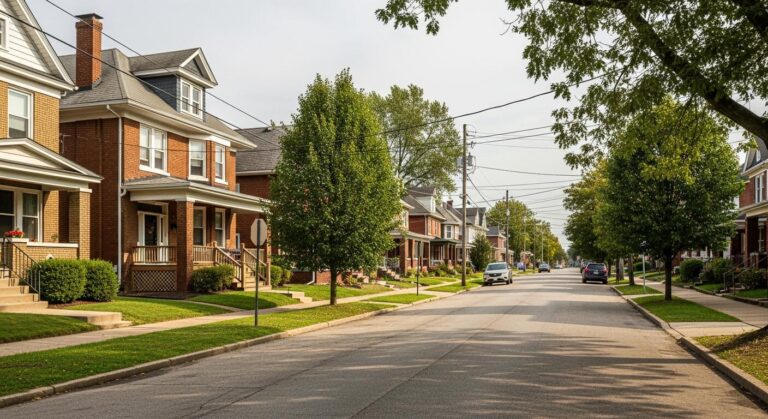
Oakwood continues to be one of the most desirable neighborhoods in the Dayton region. This year alone, several homes sold well above $1 million, including properties on Little Woods, Southview, and a previous 2024 sale above $2,000,000 on Oakwood Avenue. These homes showcase exceptional craftsmanship, architectural character, and premium finishes—all of which directly influence reconstruction cost, not just market value.
The August 2024 $2.2M Sale: A Market Signal
The landmark sale on Oakwood Avenue in August 2024—a $2.2 million closing—stands out as one of the largest single-family transactions in Oakwood’s recent history. High-value sales like this don’t just reflect buyer demand; they influence insurer reconstruction models. When premium homes sell at premium prices, carriers adjust their cost assumptions accordingly.

Other Strong Sales: Little Woods and Southview
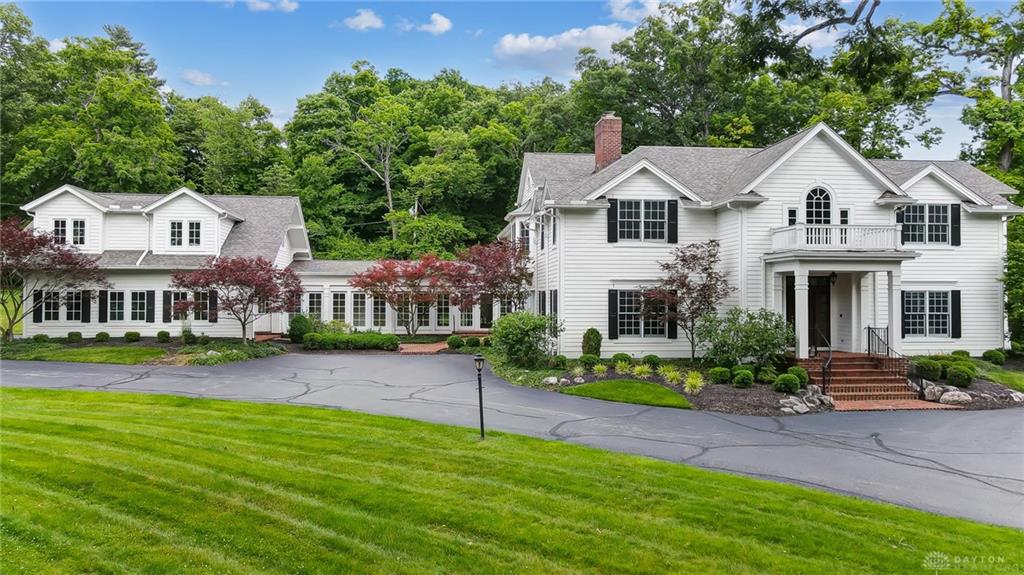
Beyond the headline sale, properties on Little Woods and Southview posted impressive numbers, many selling well above their list prices. These homes feature updated interiors, luxury kitchens, custom built-ins, historic woodwork, and premium exterior finishes—elements that substantially increase rebuilding costs.

Southview, known for its classic Oakwood charm and curb appeal, also saw strong demand this year. Reconstructing a home with this level of detail is far more expensive today than it was even three years ago.
Why Oakwood Homeowners Are at Higher Risk of Being Underinsured
Coverage A (Dwelling Coverage) is designed to protect your home against a complete rebuild after a fire, tornado, or catastrophic event. But here’s the issue: many Oakwood policies are based on outdated reconstruction models that no longer reflect current material and labor costs.
Even being underinsured by 10–20% can create massive financial exposure during a partial or total loss. Many of the issues we see with Oakwood homeowners underinsured come from assumptions that automatic increases are enough.
2. Construction Inflation Has Outpaced Automatic Policy Increases
Most homeowners policies automatically increase Coverage A by about 2–4% annually, a number that might have been reasonable a decade ago. But since 2020, the cost of rebuilding homes in the Greater Dayton region—especially in historically built communities like Oakwood—has risen at a rate far beyond that. Depending on the trade, reconstruction costs have increased 8–14% per year and, in certain specialty trades, even more.
That means a home insured for $500,000 in 2020 might be insured for around $550,000 today—while the real cost to rebuild may be closer to $700,000 or more. In other words: your policy’s small annual increases can’t keep up with the real world.
3. Material Costs Have Shifted Permanently Higher
Many homeowners assume that lumber spikes from 2021–2022 “went back to normal.” They didn’t—at least not to the levels insurers previously used in their models. Across the board, reconstruction materials cost significantly more than they did pre-pandemic:
- Lumber & engineered wood remain well above long-term historical averages.
- Copper wiring and electrical components have seen steady double-digit increases.
- HVAC systems are more expensive due to federal efficiency standard changes.
- Premium windows—common in Oakwood’s historic homes—are costlier and slower to source.
- Custom cabinetry and trim materials have increased because skilled installation labor is scarce.
- Brick, stone, and masonry supplies have risen due to transportation and quarrying costs.
Even items that used to be relatively inexpensive—drywall, insulation, hardware, fasteners—have crept upward in cost, making every line item in a rebuild estimate more expensive than it once was.
Oakwood Homes Amplify These Cost Pressures
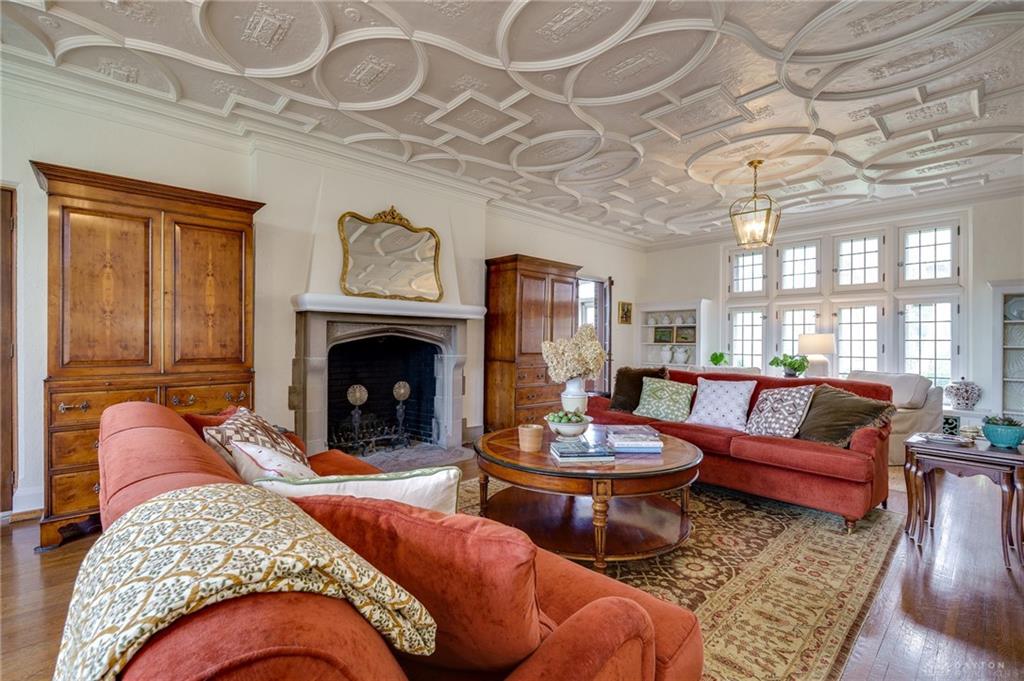
Unlike newer construction in surrounding suburban developments, most Oakwood homes were built between the early 1900s and mid-century, during an era when craftsmanship was the focal point rather than speed or efficiency. Builders relied on heavy materials, hand-finished details, and labor-intensive techniques that are rarely used today. Those choices are a big part of what makes Oakwood special—but they also make reconstruction significantly more expensive in today’s market.
Many Oakwood homes feature original architectural elements that would cost an enormous amount to replicate:
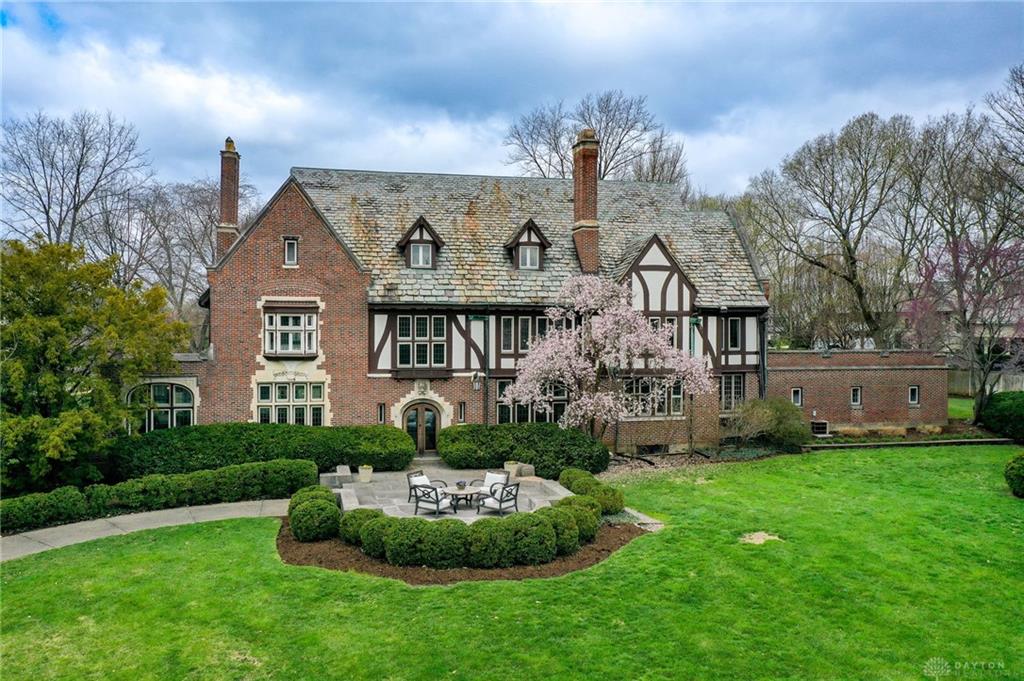
- Hand-laid brick and stone masonry, built with thicker walls and more intricate patterns than modern veneer systems.
- Slate or dimensional shingle roofing that requires specialty installers and can cost 3x–5x more than standard asphalt shingles.
- Plaster walls instead of drywall, often reinforced with lath systems that are laborious to repair or reconstruct.
- True hardwood flooring that must be sanded, stained, and finished on-site—unlike today’s click-lock engineered floors.
- Custom millwork, trim, and built-ins crafted from solid wood, often with profiles no longer mass-produced.
- Architectural staircases and railing systems made from hardwood and iron, requiring specialized woodworking skills.
These features aren’t cosmetic—they are structural and defining elements of Oakwood’s historic character. When a claim occurs, homeowners expect their insurance to restore the home to its pre-loss condition. But achieving that level of authenticity today requires an entirely different level of labor and craftsmanship than building a new home in a modern subdivision. Historic building materials and trades have pushed many Oakwood homeowners underinsured even when they believed their policies were sufficient.
Rebuilding a home like this today requires:
- Specialty trades experienced in historic or high-end residential construction—professionals who understand plaster, slate, stone, and custom carpentry.
- Higher-quality, historically appropriate materials sourced from specialty suppliers, not big-box stores.
- Custom fabrication of trim, cabinetry, door casings, window sashes, and built-ins to match the home’s original design.
- More complex framing, masonry, and carpentry work that must integrate seamlessly with the existing structure.
- Longer installation timelines due to the precision required—historic details simply cannot be “fast-tracked.”
For example, a simple window replacement in Oakwood often becomes a full custom order to match existing woodwork and muntin patterns. A damaged staircase may require a local craftsman to mill a custom newel post or replicate balusters by hand. Slate roof repairs must be done by the few contractors in the region qualified to work with natural stone tiles. Each of these scenarios adds cost, time, and specialized labor to the claim.
When you combine the complexity of Oakwood’s architecture with modern labor shortages and rising material costs, the result is clear: Oakwood homes are inherently more expensive to reconstruct than newer homes, and that cost gap is widening every year. Automatic policy increases simply cannot keep up, which is why Coverage A reviews are so important for Oakwood homeowners—especially moving into 2026. These inflation and labor trends explain why the number of Oakwood homeowners underinsured heading into 2026 is larger than ever.
4. Reconstruction Costs Rise in Ways Homeowners Don’t See
Insurance carriers use cost-estimating tools that measure local labor rates, material trends, and regional pressures on the construction industry. These tools have been quietly recalibrated upward every year since 2020. Some of the unseen drivers include:
- Storm losses in surrounding states, which pull local contractors out of the Dayton region.
- Supply chain delays that force rebuilds to use more expensive alternative materials.
- Fuel, energy, and transportation costs that affect every delivered product.
- Code upgrades that add thousands to permitted reconstruction projects.
Even if you haven’t done any recent work on your home, the cost to rebuild it in 2025 or 2026 may be dramatically higher than before.
The Bottom Line for Oakwood Residents
If your Coverage A limit hasn’t been manually reviewed since 2023 or earlier, there is a strong possibility your home is 10–25% underinsured based on today’s reconstruction environment. Even homeowners who believe they are “well covered” often discover large gaps once we run an updated reconstruction cost estimate tailored specifically to Oakwood’s architectural style.
This is why a proactive policy review heading into 2026 isn’t just helpful—it’s essential for protecting the true value of your home. With rising reconstruction costs, it’s increasingly clear why so many Oakwood homeowners underinsured are facing financial risks they didn’t know existed.
The Hidden Risks of Being Underinsured in Oakwood
Most Oakwood homeowners assume they’re covered simply because they’ve maintained the same insurer for years or because their mortgage required a specific policy. But underinsurance creates several hidden risks that only reveal themselves during a claim—and by the time those gaps become obvious, it is far too late to fix them. Historic neighborhoods like Oakwood, with older construction and high-cost materials, face these risks more intensely than almost any other community in the Dayton region.
The largest misconception is that homeowners insurance will “figure it out” when a loss occurs. Unfortunately, policies are binding contracts with firm limits. The insurance company is only responsible for paying up to your stated Coverage A amount (plus any extended replacement cost, which is usually capped). If the cost to rebuild exceeds your policy, the remaining balance becomes your responsibility.
For many Oakwood homeowners, this gap can be enormous. Total losses are rare, but when they do occur, Oakwood’s older homes with plaster walls, slate roofs, solid-wood trim, and intricate masonry frequently exceed $300–$500 per square foot in reconstruction cost—far more than most dated policies account for. A house insured for $600,000 today may actually require $850,000 or more to rebuild to the same quality.
Partial losses can be just as risky. Many homeowners don’t realize that if their home is insured significantly below its true reconstruction cost, they may face coinsurance penalties on partial claims. This means even a kitchen fire or storm-damaged roof could result in only a partial payout—not because the damage isn’t covered, but because the home wasn’t insured to value.
Additionally, Oakwood’s older homes must be rebuilt to current building code standards. This often involves electrical upgrades, plumbing changes, structural reinforcements, insulation requirements, and safety improvements. Homeowners with inadequate Ordinance & Law coverage may discover that tens of thousands of dollars in code-required upgrades come out of their own pocket.
Finally, underinsurance limits your access to high-quality contractors. Historic specialists—and even reputable general contractors—are in extremely high demand across Montgomery County. If your policy doesn’t cover their rates, you may be forced to use lower-cost crews who cannot match the craftsmanship your home originally had. The result? A rebuild that feels noticeably inferior to the home you lost.
These hidden risks rarely get discussed, but they matter tremendously—especially in Oakwood, where homes are unique, historic, and expensive to replicate. Reviewing your Coverage A limit now can prevent serious financial consequences later.
Why Now Is the Perfect Time to Review Your Policy
With 2025’s strong home sales, rising reconstruction costs, and continued labor shortages, this year is one of the most important times in recent memory for Oakwood homeowners to review their insurance policies.
A professional policy review ensures:
- Your Coverage A reflects current reconstruction costs
- Your home is accurately evaluated based on its materials and craftsmanship
- You’re protected from coinsurance penalties
- Your policy keeps pace with local market conditions
A quick 5–10 minute review could reveal whether you’re properly protected—or whether you may be significantly underinsured heading into 2025.
Oakwood’s 2026 Tax Reappraisal: What Homeowners Should Expect
Another factor Oakwood homeowners should be aware of heading into 2026 is the upcoming Montgomery County property reappraisal. Ohio requires every county to conduct a full property revaluation every six years, and Oakwood is scheduled for its next major reappraisal in 2026, with the new values taking effect for the 2027 tax season.
This is particularly important for Oakwood because the last two years of strong home sales—including multiple seven-figure transactions and the landmark $2.2M sale in 2024—will play a role in shaping the county’s updated valuation models. Homes that haven’t been updated in decades may see modest increases, while homes with renovations, additions, or premium finishes may experience substantial jumps in assessed value. This will likely leave many Oakwood homeowners underinsured.
It’s important to understand that property tax value is not the same thing as reconstruction cost. However, a rising assessed value is often a signal that the market thinks your home is worth more—and that the cost to replace it is likely trending upward as well. Many homeowners falsely assume that if their tax value rises, their insurance is automatically keeping pace. It isn’t.
The upcoming reappraisal means Oakwood residents should expect:
- Higher assessed values reflecting the strong 2024–2025 sales activity.
- Potential tax increases depending on levy structures and voted millage.
- Renewed attention on home valuations—a perfect time to review your insurance Coverage A.
While taxes and insurance are separate systems, they share one reality: both are influenced by the rising cost of housing, labor, and materials. As Oakwood heads into a revaluation cycle, homeowners should take the opportunity to review their insurance limits and ensure their policy reflects what it would truly cost to rebuild their home in 2026.
When assessed values rise but insurance coverage does not, that gap can create a false sense of security—and a major financial problem after a loss. This makes the 2026 reappraisal a timely reminder for homeowners to reassess both their tax situation and their insurance coverage.
Want a Free Oakwood Coverage Review?
I offer a complimentary reconstruction cost analysis for Oakwood residents. No pressure, no sales tactics—just clear answers and a professional evaluation.
If you’d like a review, just call in 937-741-5100 or fill out a contact form.
Just reach out and request a free Coverage A analysis. We’ll walk you through the numbers, explain today’s reconstruction costs, and give you clear options for bringing your policy up to date. Our goal is to make sure you are not one of the Oakwood homeowners underinsured.
Are Oakwood Homeowners Underinsured? FAQ
With rising reconstruction costs, specialty labor shortages, and Oakwood’s historic architecture, many residents are asking a critical question: Am I underinsured? Below are the most common questions we hear from Oakwood homeowners, along with straightforward answers to help you understand your true coverage needs.
Why are so many Oakwood homeowners underinsured in 2025–2026?
Most policies only increase Coverage A by 2–4% each year, while reconstruction costs for Oakwood’s historic homes have been rising 8–14% annually. This creates a widening gap between what it costs to rebuild your home today versus what your policy would actually pay if you experienced a major loss.
What makes Oakwood homes more expensive to rebuild than newer homes?
Oakwood’s homes were built with materials and craftsmanship that require specialized labor—hand-laid masonry, slate roofing, plaster walls, true hardwood floors, and custom millwork. These elements are costly to replicate today and demand high-skill trades that are already in short supply.
How can I tell if my Coverage A limit is too low?
Most homeowners rely on automatic policy increases and assume they’re protected. A quick rule of thumb: if your last full reconstruction estimate was done before 2023—or if you’ve completed any upgrades—you should assume there’s a strong chance you’re underinsured by 10–25%. The Coverage A is the main reason that Oakwood homeowners underinsured.
Does market value affect my homeowners insurance?
No. Homeowners insurance is based on reconstruction costs, not sale price. A $1.5M home in Oakwood may cost $900k to rebuild—or it may cost $1.3M. Market value goes up and down with demand. Reconstruction cost follows labor, materials, and local code requirements.
What about extended replacement cost—doesn’t that protect me?
Extended replacement cost is helpful, but limited. Most carriers offer 20–50% extensions, but that percentage is based on your starting Coverage A limit. If your base limit is too low, the extension won’t come close to covering a full rebuild of a historic Oakwood home.
What upgrades or features most often cause underinsurance?
The most common sources include finished basements, kitchen remodels, additions, exterior work, built-ins, and updated HVAC or electrical systems. If you’ve improved your home without updating your policy, your Coverage A limit may be far below what is needed.
How often should Oakwood homeowners update Coverage A?
Once per year at minimum. With Oakwood’s rising reconstruction costs, a professional review every 12 months ensures your policy keeps pace with the real cost of materials, labor, and historic building needs. Once per year at minimum. With Oakwood’s rising reconstruction costs, a professional review every 12 months ensures your policy keeps pace with the real cost of materials, labor, and historic building needs. This simple habit helps prevent you from becoming one of the Oakwood homeowners underinsured.
Is a Coverage A review complicated or time-consuming?
Not at all. A review usually takes only 5–10 minutes. We gather a few details about your home, run an updated reconstruction cost model, and compare it to your current policy limits. You’ll know immediately if you’re one of the Oakwood homeowners underinsured and by how much.
What’s the risk if I stay underinsured?
If a major fire, storm, or total loss occurs, you could be responsible for tens or even hundreds of thousands of dollars out-of-pocket. Underinsurance also introduces the risk of coinsurance penalties—reducing your payout even for partial losses.
How do I get a free review of my Oakwood homeowners policy?
Just reach out and request a free Coverage A analysis. We’ll walk you through the numbers, explain today’s reconstruction costs, and give you clear options for bringing your policy up to date. Make sure you are not one of the Oakwood homeowners underinsured.
Do rising home values mean I’m fully covered?
No. Rising market values do not automatically increase your homeowners insurance. A home that sells for $1.3M may still cost $1M or more to rebuild, depending on materials and craftsmanship. Many people mistakenly assume that a strong real estate market protects them, but this confusion is why so many Oakwood homeowners underinsured never realize their policies are outdated until a claim happens.
Does my mortgage lender prevent me from being underinsured?
No. Lenders only require enough coverage to protect the loan balance—not enough to rebuild your home. Your home might require $900,000 to reconstruct, but your lender may only require $300,000 in insurance to secure the mortgage. This is one of the most common reasons Oakwood homeowners underinsured mistakenly believe they’re safe when they’re not.
Will my insurance company tell me if my coverage is too low?
Not usually. Carriers rely on the information you provide when the policy is written. They do not automatically reassess your home each year for reconstruction cost accuracy. This hands-off approach is why many Oakwood homeowners underinsured go years without realizing their policy is far below modern rebuild rates.
Does having replacement cost coverage mean I’m protected?
Replacement cost coverage ensures you are paid based on the cost to replace materials with “like kind and quality,” but it still depends entirely on your Coverage A limit. If your Coverage A is $600,000 but your home costs $900,000 to rebuild, replacement cost won’t cover the gap. This misunderstanding is another reason so many Oakwood homeowners underinsured aren’t aware of their exposure.
What happens if construction costs rise after I file a claim?
If labor or material prices rise after your loss, your claim payout does not automatically adjust. Your policy pays based on the limits listed at the time of the loss. In high-inflation environments—like the last few years—this can leave many Oakwood homeowners underinsured even if they thought their limits were sufficient when the policy renewed.
Can older Oakwood homes qualify for guaranteed replacement cost?
Some premium carriers offer guaranteed replacement cost on historic homes, but eligibility depends on the home’s condition, updates, and a professional inspection. Many older properties need electrical, roof, or plumbing upgrades before a carrier will offer this protection. Without these upgrades, many Oakwood homeowners underinsured end up stuck with limited replacement cost options that don’t reflect true rebuild expenses.
What role does building code play in underinsurance?
When an older home suffers damage, insurance must cover repairs that meet current building code—not the standards that existed when the home was built. For Oakwood homes with older wiring, older plumbing, aging foundations, or non-conforming structures, code upgrades can add tens of thousands of dollars to a claim. Without adequate Ordinance & Law coverage, many Oakwood homeowners underinsured face significant out-of-pocket expenses for mandatory code compliance.
Why do small claims reveal underinsurance more often than total losses?
Most homeowners assume underinsurance only matters during a total loss, but partial claims often expose the problem sooner. A kitchen fire, bathroom leak, or storm-damaged roof can trigger reconstruction estimates that exceed outdated Coverage A limits. When this happens, coinsurance penalties or insufficient coverage become immediately obvious. This is why many Oakwood homeowners underinsured first discover the issue during what should have been a relatively manageable claim.
Does Oakwood’s historic district status increase the risk of underinsurance?
Yes. Homes within or near Oakwood’s historic district often require specialized materials, custom windows, masonry matching, and adherence to preservation standards. These additional requirements drive reconstruction costs far above standard estimates. This is a major reason so many Oakwood homeowners underinsured find out their policy limits fall short when a loss occurs.
Are renovations causing more Oakwood homeowners to become underinsured?
Absolutely. Kitchen remodels, finished basements, additions, and upgraded electrical systems significantly raise reconstruction costs. When homeowners forget to update their policies after renovations, their Coverage A becomes outdated overnight. This common oversight leaves many Oakwood homeowners underinsured despite having invested heavily in improving their homes. In fact – if you are in need of a remodel, please consult Color & Style, they’re a local trusted vendor that has renovated hundreds of Oakwood kitchens and bathrooms since their inception in 1965.
Does inflation affect Oakwood more than surrounding cities?
Often, yes. Oakwood’s homes use premium materials—brick, slate, copper, hardwood, plaster—that inflate at higher rates than commodity materials in newer builds. Skilled labor shortages also disproportionately affect older homes needing specialty trades. These combined factors contribute to the higher number of Oakwood homeowners underinsured compared to other Dayton suburbs.
If my home hasn’t had a claim in decades, can I still be underinsured?
Yes. Underinsurance is determined by reconstruction cost—not claim history. Even if your home has been trouble-free for years, rising labor rates and material costs may have pushed your true rebuild value far beyond your current limits. Long periods without updates are one of the biggest contributors to Oakwood homeowners underinsured today.
How does contractor availability affect my insurance coverage needs?
In high-demand markets, contractors charge more and have longer wait times. Historic-qualified contractors cost even more. If your policy doesn’t reflect these realities, the cost of labor alone can exceed your Coverage A limit. Contractor shortages are a key reason many Oakwood homeowners underinsured discover gaps only after filing a claim.
About Ingram Insurance
Ingram Insurance is an independent insurance agency located in Dayton, Ohio, serving homeowners across Oakwood, Kettering, Centerville, and the surrounding Miami Valley. We specialize in home, auto, life, rental property, and business insurance.
Contact Us:
Phone: (937) 741-5100
Email: contact@insuredbyingram.com
Website: www.insuredbyingram.com
Ready to confirm you’re not one of the Oakwood homeowners underinsured? Reach out anytime—my team and I are here to help.