
How to Read an Ohio Home Insurance Policy Like a Pro
Most Ohio homeowners never read their insurance policy until the moment they need it, and by then it is too late to correct gaps or misunderstandings. Home insurance contracts are precise legal documents written with specific conditions, exclusions, and coverage triggers. This long-form guide explains, in clear terms, how to understand an Ohio home insurance policy from top to bottom, how to interpret the most important sections, and what homeowners in Montgomery County and throughout Ohio need to know to avoid unpleasant surprises. By the end, you will be able to read your own policy with the same mindset used by adjusters, underwriters, and experienced insurance professionals.
The Structure of an Ohio Home Insurance Policy
An insurance policy is not a single document but a collection of parts that operate together. These components include the declarations page, the policy jacket or base form, optional endorsements, state-specific forms, and carrier-issued notices. Each piece plays a distinct role. Many homeowners read only the declarations page, assuming that it contains all relevant information, but the declarations page merely summarizes key coverage amounts. The real substance of the contract is contained in the policy form and endorsements.
The declarations page lists items such as the insured address, the named insureds, the mortgage company if applicable, the dwelling coverage limit, personal property limit, liability limit, medical payments limit, and deductible. These values are important, but they do not explain how losses are evaluated, what exclusions apply, or what responsibilities the homeowner has in the event of a claim. Those details are buried deeper in the contract language. Understanding the overall structure of the policy is the first step to developing the level of proficiency that insurance professionals rely on.
Understanding Coverage A: Dwelling Protection
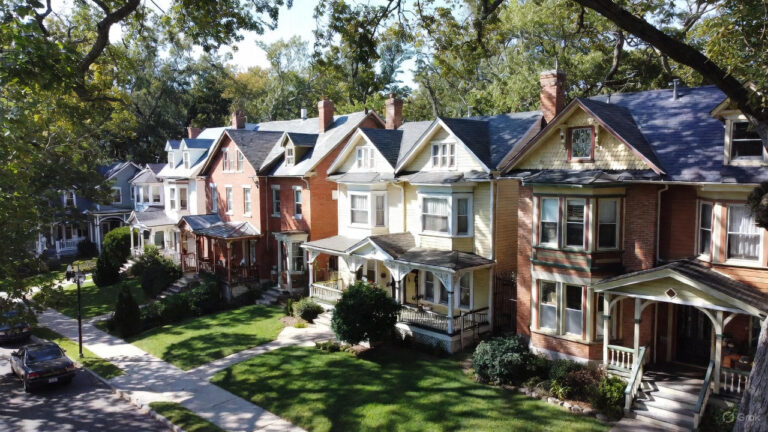
Coverage A is one of the most important parts of the policy. It insures the physical structure of the home, including the roof, walls, foundation, floors, and attached structures such as garages or porches. In Montgomery County communities like Oakwood, Kettering, and Dayton, this section is especially relevant because of the age of the housing stock. Many homes in the region were built long before modern building codes, and age is a factor in how insurers evaluate losses.
Reading the Coverage A section requires attention to how the insurer defines a “covered peril.” Ohio policies typically follow one of two formats. An “open perils” policy covers the dwelling for any cause of loss except those specifically excluded. A “named perils” policy covers only the perils listed in the policy. Most modern Ohio homeowners policies use open perils language, but some carriers still deploy named-perils variants for certain home types or ages. When evaluating your policy, note whether your dwelling is insured on a replacement cost basis or an actual cash value basis. Replacement cost coverage pays to rebuild with new materials. Actual cash value deducts depreciation, meaning that older homes may receive significantly less following a loss.
Coverage B: Other Structures
Coverage B insures detached structures such as sheds, fences, detached garages, and standalone workshops. Many Ohio homeowners underestimate the cost of replacing these structures, especially when they contain electrical service, plumbing, or specialized construction. In neighborhoods with older homes, many detached garages are original to the property and can be surprisingly expensive to rebuild to modern code.
Policies typically allocate Coverage B as a percentage of Coverage A, often ten percent. This is not always sufficient. Homeowners with upgraded garages, workshops, or outbuildings should check whether the default limit is adequate. If not, additional coverage can be purchased through an endorsement. Because Ohio winters can bring fallen trees, ice storms, and wind events that disproportionately affect detached structures, this section of the policy deserves careful review.
Coverage C: Personal Property
Coverage C insures the contents of the home: furniture, clothing, electronics, appliances, and items of personal use. This portion of the contract is usually written on a named-perils basis even when the dwelling is insured on an open-perils basis. That means your contents are covered only for perils explicitly listed, such as fire, theft, vandalism, smoke, or certain weather events.
Ohio policies often default to actual cash value settlement for contents unless a replacement cost endorsement is purchased. Actual cash value reduces payment based on age and condition. A five-year-old television, for example, may have only a fraction of its original value under ACV settlement. Replacement cost coverage restores the ability to replace items with new equivalents, subject to policy limits and documentation requirements.
The personal property section also contains sublimits for categories such as jewelry, firearms, silverware, cash, and collectibles. These sublimits are often much lower than homeowners expect. For example, a typical policy may provide only fifteen hundred dollars for jewelry theft. Homeowners with engagement rings, watches, or other valuables should add scheduled personal property coverage rather than relying on the small built-in allowances.
Coverage D: Loss of Use
Coverage D, sometimes referred to as Additional Living Expenses or ALE, compensates homeowners when a covered loss makes the home temporarily uninhabitable. This coverage becomes extremely important in cases such as kitchen fires, major water losses, or winter pipe bursts, all of which are common in Montgomery County homes. Loss of use coverage pays for hotel stays, increased meal expenses, laundry, transportation, pet boarding, and other reasonable costs incurred during displacement.
Policies specify whether Coverage D is written as a percentage of Coverage A or as a time-limited benefit. Many carriers provide twelve to twenty-four months of ALE coverage. Homeowners should notice that the trigger for ALE is not merely inconvenience but uninhabitability as defined by the insurer. Reading this section closely helps set realistic expectations during a claim.
Liability Protection
Personal liability coverage protects homeowners if they are legally responsible for bodily injury or property damage to others. This section does not apply to damage to the homeowner’s own property; rather, it covers events such as dog bites, falls on icy walkways, or unintentional injuries to guests. Liability limits on Ohio policies often start at one hundred thousand dollars, but most homeowners benefit from increasing this to three hundred thousand or five hundred thousand dollars due to modern legal costs.
Homeowners in Montgomery County with rental properties, short-term rentals, or frequent guests should pay particular attention to exclusions. Certain business-related activities, including some types of rental arrangements, require specialized endorsements or separate landlord policies. Understanding how the liability section interacts with home-based businesses, side projects, or rental units is important for reducing exposure.
Medical Payments Coverage
Medical payments coverage is a small but useful section of the policy. It pays for minor medical expenses of guests who are injured on your property, regardless of fault. This prevents small incidents from escalating into liability claims. Typical limits range from one to five thousand dollars. While this coverage is not designed for major injuries, it can be an effective buffer for minor accidents and goodwill situations.
Exclusions and Limitations
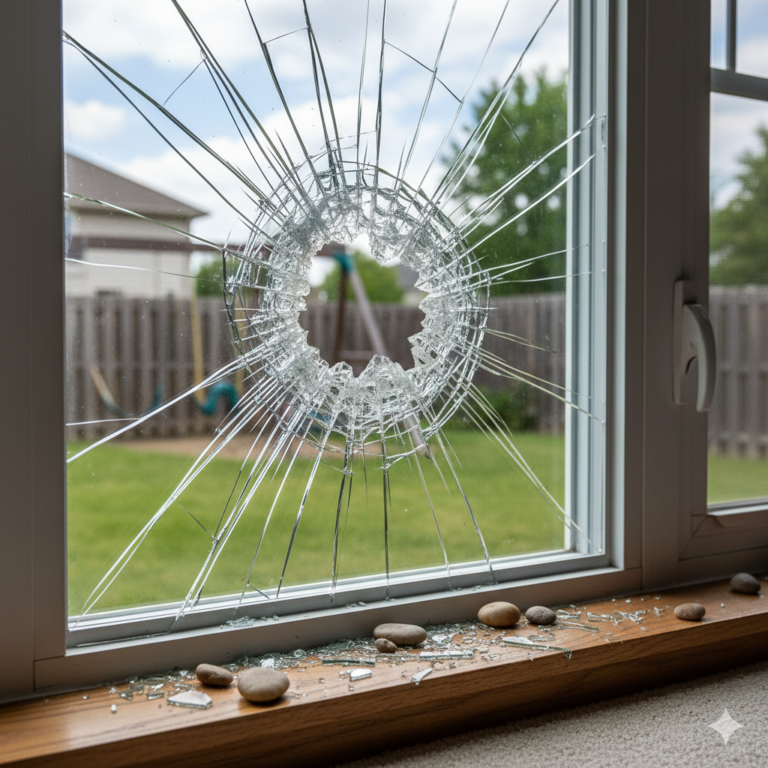
The exclusions section is one of the most important parts of the policy. This is where insurers list the types of losses they will not cover under any circumstances. Common exclusions include wear and tear, deterioration, settling, mold, flooding, earth movement, neglect, intentional loss, government actions, and certain mechanical failures.
Ohio homeowners are often surprised to learn that water backup and sump pump failures are typically excluded unless specifically added through endorsement. Basement water issues are common in Montgomery County, particularly in older neighborhoods and areas with high groundwater. Reviewing this exclusion and adding the appropriate endorsement is essential for comprehensive protection.
Understanding Deductibles
The deductible is the amount the homeowner must pay before insurance benefits begin. Many Ohio homeowners carry deductibles of one thousand dollars, but higher deductibles of twenty-five hundred or five thousand dollars are increasingly common. Policies may also include separate wind and hail deductibles or percentage-based deductibles in certain regions.
When reading the deductible section, homeowners should note whether the deductible applies per claim or per event, and whether different deductibles apply to different perils. Understanding these details ahead of time prevents confusion during claims.
Endorsements and Optional Coverages
Endorsements modify the base policy and can add or remove coverage. Common Ohio endorsements include water backup coverage, equipment breakdown coverage, extended replacement cost, ordinance or law coverage, identity theft protection, service line coverage, and scheduled personal property.
Equipment breakdown coverage, for example, is often overlooked but extremely valuable. It covers failures of furnaces, water heaters, heat pumps, and other critical systems. Given Ohio’s winters and the age of many homes in Montgomery County, this endorsement can prevent significant out-of-pocket expenses.
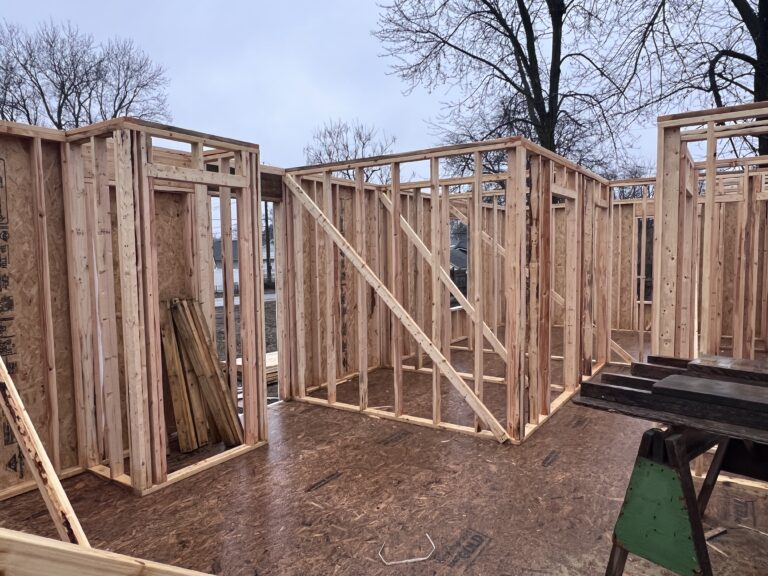
Ordinance or law coverage is another essential endorsement in older neighborhoods. It pays for the increased cost to rebuild parts of the home to current building codes, something that is required by law but not covered under standard replacement cost. Homes built decades ago often require electrical, plumbing, or structural upgrades during reconstruction, making this endorsement crucial.
How to Evaluate Roof Coverage
Roof coverage deserves its own section because it is one of the most frequent sources of confusion in Ohio. Many carriers have adjusted their underwriting guidelines due to the cost of roofing materials and the frequency of weather-related claims. Policies may specify roof age restrictions, cosmetic damage exclusions, or actual-cash-value settlement for older roofs.
Homeowners should review whether the roof is covered under replacement cost or actual cash value. Roofs older than fifteen to twenty years often default to ACV coverage unless specific underwriting conditions are met. Understanding this distinction is vital. A roof valued at fifteen thousand dollars may only receive a few thousand dollars under ACV settlement if the roof is significantly depreciated.
State-Specific Forms for Ohio
Many carriers include forms tailored to Ohio law. These may address cancellation rights, nonrenewal conditions, claims reporting obligations, and other regulatory details. Ohio is a consumer-friendly insurance state in many respects, and carriers must follow specific timelines for claims communication. Reviewing these state forms ensures you understand both your rights and responsibilities.
Reading the Conditions Section
The conditions section outlines the duties of the insured and insurer. Homeowners often overlook this portion, but it is critical during claims. Conditions address reporting requirements, documentation expectations, cooperation with adjusters, mitigation responsibilities, and how disputes are resolved.
Failure to comply with these obligations can delay claims or jeopardize coverage. This is one reason why having an independent local agent matters. Guidance during a claim can prevent unintentional missteps.
Interior Restoration Insight: Color & Style Dayton
Understanding your policy is essential, but so is understanding the restoration process once a claim occurs. Winter storms, water losses, and fire events often require extensive interior reconstruction. Homeowners benefit from working with qualified local companies that can help restore cabinets, flooring, and interior finishes in a cohesive and visually consistent manner.

Color & Style Dayton provides flooring, cabinetry, countertops, and full interior design consultation. Whether a claim requires partial replacement or a complete rebuild of a kitchen or living area, having a trusted local partner improves the final result. Ohio homeowners planning upgrades can also benefit from consulting with interior specialists before a loss occurs, ensuring that future repairs integrate smoothly with the existing aesthetic.
How to Analyze Your Own Policy
The most effective way to read an Ohio home insurance policy is to approach it systematically. Begin with the declarations page to identify coverage limits and deductibles. Next, read the insuring agreement to understand what the policy promises to cover. After that, review the exclusions, then the conditions, then each endorsement. This top-down approach prevents misinterpretation and gives you a complete understanding of how the contract operates.
Conclusion: Mastering Your Ohio Policy
Learning to read your home insurance policy like a professional is one of the most valuable steps you can take as an Ohio homeowner. Whether you live in Dayton, Washington Township, Oakwood, or anywhere else in Montgomery County, understanding the structure of your coverage prepares you for both unexpected events and long-term planning. A policy is more than a piece of paper; it is a financial contract with responsibilities and protections that only work when understood clearly.
Get a Free Ohio Policy Review
Ingram Insurance is an independent agency based in Dayton, serving homeowners throughout Ohio. If you would like a clear, personalized review of your policy or want help understanding your exclusions, endorsements, or roof coverage, we are here to assist.
Ingram Insurance – Dayton’s Trusted Independent Agency
Address: 733 Salem Ave, Dayton, OH
Phone: (937) 741-5100
Website: www.insuredbyingram.com
Email: contact@insuredbyingram.com