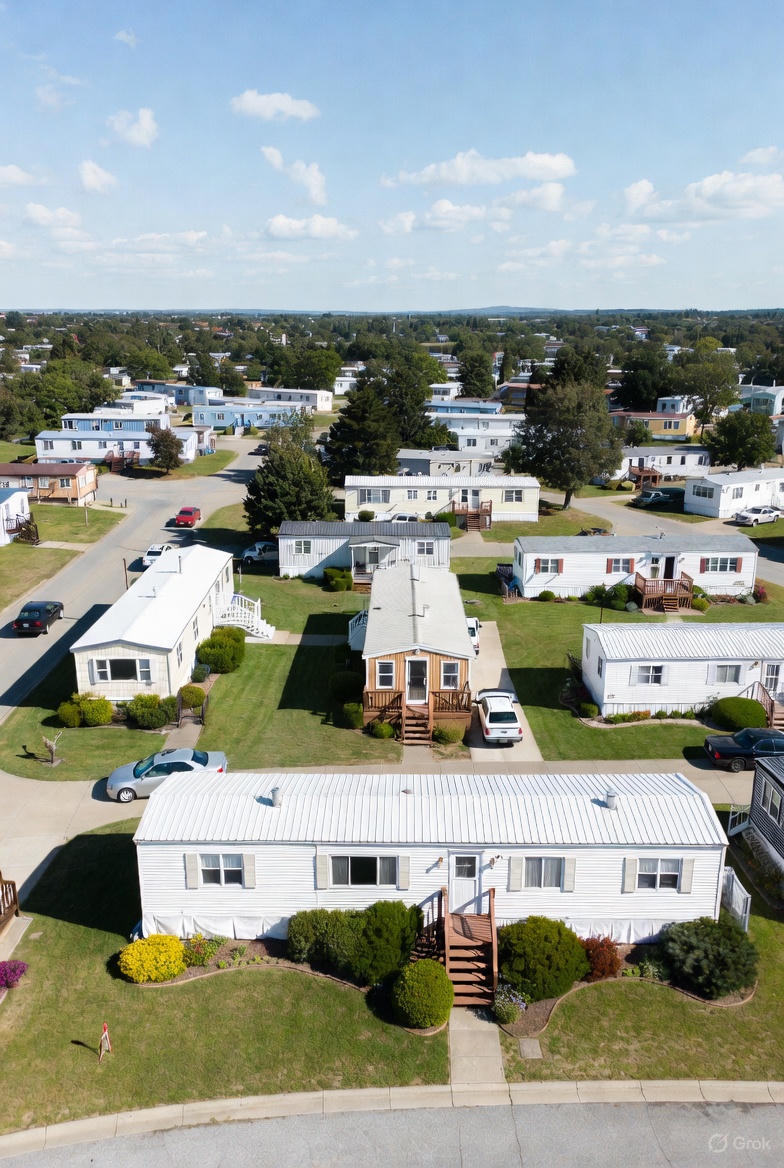
Ohio Mobile Home Insurance: A Comprehensive Guide
Mobile homes represent a significant segment of Ohio’s housing market, providing affordable and flexible living options for families across rural counties, small towns, and metropolitan regions such as Dayton, Columbus, and Cincinnati. Yet mobile home insurance remains one of the least understood and most inconsistently offered forms of property protection in the state. Throughout 2025, our agency wrote multiple mobile home policies, and nearly every customer described the same pattern: “No one else would insure it. I called down the list until someone finally said yes.” This lack of accessibility creates confusion, uncertainty, and unnecessary risk for mobile home owners who simply want reliable and affordable coverage. This whitepaper offers a comprehensive, Ohio-specific analysis of mobile home insurance, underwriting considerations, major risks, and best practices for homeowners seeking transparent, accurate guidance.
Ohio Mobile Home Insurance: A Comprehensive Guide
1. The Structural Importance of Mobile Home Insurance in Ohio
Mobile home insurance is neither optional nor secondary within the Ohio housing environment. Ohio’s climate, aging mobile home inventory, regional underwriting restrictions, and competitive market pressures all compound the need for structured, well-defined protection. Unlike traditional stick-built residences, mobile homes exhibit higher exposure to wind damage, fire hazards, and older infrastructure vulnerabilities. These factors have direct implications on underwriting standards, premium calculations, and loss mitigation strategies.
1.1 Weather Volatility
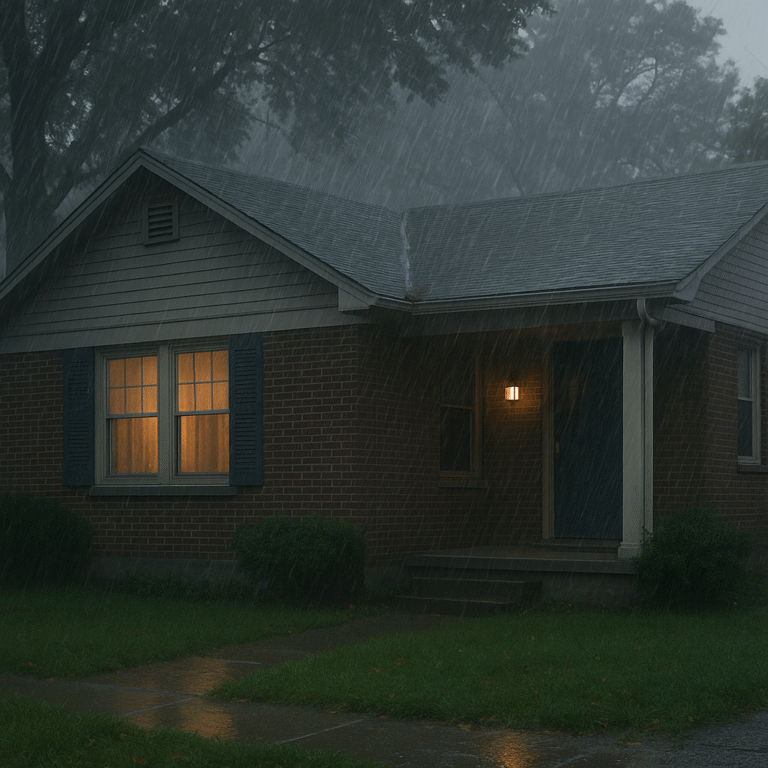
Ohio faces a diverse array of climate threats, including severe windstorms, hailstorms, tornadoes, freezing temperatures, and high precipitation events. Mobile homes—especially older models built prior to key HUD code updates—demonstrate increased susceptibility to structural compromise under wind load. This elevated risk profile directly impacts the insurability of mobile homes and influences both coverage availability and carrier participation.
1.2 Aging Inventory
A substantial portion of Ohio’s mobile home stock was manufactured before 1995, and many units still in circulation were produced even earlier. These homes often contain aging electrical systems, older plumbing, original HVAC equipment, and deteriorating roofing materials. These factors contribute to an increased probability of fire, water damage, and system failures. Insurers often require detailed underwriting documentation—photos, tie-down confirmation, and system age verification—before binding coverage.
1.3 Financing and Park Requirements
Both lenders and mobile home park management entities impose insurance requirements for occupancy and financing eligibility. These may include proof of liability coverage, minimum dwelling coverage, and replacement cost endorsements when available. Homeowners unable to produce proper insurance documentation may face loan denials or park tenancy issues, illustrating the structural necessity of properly maintained policies.
1.4 Limited Agent Participation
Many Ohio insurance agencies decline to write mobile home policies due to underwriting complexity, carrier limitations, or perceived claims exposure. This lack of agent engagement creates a service void, leading many homeowners to “call down the list” until they locate an agency willing to offer assistance—often ours. This gap signals both a market opportunity and a consumer protection issue.
2. Core Components of Mobile Home Insurance Coverage
While mobile home insurance resembles traditional homeowners coverage in structure, it is fundamentally different in execution. The following categories constitute the core framework of mobile home protection in Ohio.
2.1 Dwelling Coverage
Dwelling coverage insures the physical structure against named perils such as fire, wind, hail, lightning, explosion, vandalism, and falling objects. Within Ohio, wind and hail represent the predominant sources of claims activity. For many older homes, replacement cost may be unavailable, resulting in actual cash value (ACV) settlements unless otherwise endorsed.
2.2 Other Structures
Many Ohio mobile homes include attached or adjacent structures such as porches, decks, carports, and storage units. These components require explicit listing or endorsement for proper coverage. Unlisted add-ons often result in claim denials.
2.3 Personal Property Coverage
Personal property protection reimburses for loss or damage to items such as clothing, furniture, electronics, appliances, and tools. Homeowners may elect replacement cost or ACV valuation. Given the disproportionate financial burden losses impose on lower-income households, replacement cost coverage is strongly recommended.
2.4 Loss of Use and Additional Living Expenses
In cases where the home becomes uninhabitable, the policy may pay for temporary lodging, food costs, and other essential expenses. This coverage becomes particularly relevant during Ohio windstorm seasons when displaced households may require multi-day accommodation.
2.5 Liability and Medical Payments
Liability coverage protects homeowners from legal and financial consequences associated with accidental injury or property damage caused to others. Medical payments coverage resolves minor injury claims without assigning fault. These coverages form the backbone of third-party protection.
3. Primary Risk Factors Affecting Ohio Mobile Homes
Our agency’s direct experience writing mobile home policies in 2025 provides empirical insights into the most frequent and financially significant risks affecting homeowners.
3.1 Wind and Tornado Exposure
Ohio sits within a broad tornado-prone corridor where straight-line winds and severe storm systems regularly affect mobile home communities. Tie-down integrity, roof condition, and structural age significantly impact claim frequency.
3.2 Fire Hazards
Older electrical systems, outdated breaker panels, and low-efficiency heating units increase the probability of fire losses. Several claims we examined involved wiring failures and furnace malfunctions within older manufactured homes.
3.3 Frozen Pipes and Winter Losses
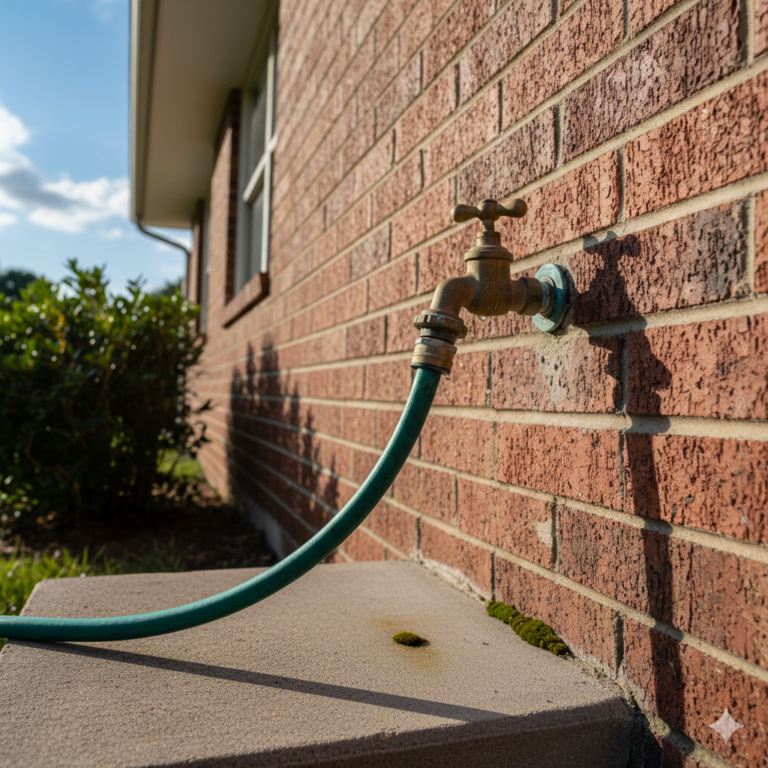
Winters in Ohio routinely produce freezing temperatures that jeopardize water lines, particularly when skirting is damaged or insufficiently insulated. Frozen pipe failures frequently result in costly subfloor repairs.
3.4 Water Backup and Drainage Issues
Water backup is not a standard component of mobile home insurance and must be explicitly endorsed. This oversight represents one of the most financially impactful gaps for Ohio homeowners, with average cleanup costs ranging from $3,000 to $6,000.
3.5 Roof Leaks and Wear
Metal roofs and older roofing membranes tend to degrade over time. Water intrusion due to general wear is usually excluded from coverage, making roof maintenance essential.
3.6 Mold and Ventilation Concerns
High humidity paired with older ventilation systems creates a persistent mold risk, particularly in southern and western Ohio counties.
4. Why Many Agents Decline Mobile Home Policies
Repeatedly in 2025, our clients expressed the same experience: “No one else would insure it.” The following factors explain why so many agencies avoid mobile home insurance.
4.1 Increased Underwriting Complexity
Mobile home underwriting requires detailed documentation including photographs, tie-down status, roof age, skirting condition, and electrical information. Many agencies avoid the additional workload.
4.2 Carrier Restrictions
Some major carriers simply do not write mobile home policies in Ohio. This leaves independent agents with fewer available markets unless they actively cultivate mobile home carriers.
4.3 Claims Frequency
Higher claims frequency, especially in older units, leads some agents to avoid the line entirely due to internal performance metrics or bonus eligibility structures.
4.4 Market Misunderstanding
Many agents are unfamiliar with mobile home policies, coverage forms, and valuation methods. Homeowners feel this immediately when calling agencies and being turned away or dismissed quickly.
5. Cost Analysis: Mobile Home Insurance Pricing in Ohio
Most Ohio mobile home owners pay between $45 and $95 per month for insurance coverage. Premiums vary based on the home’s age, construction, location, structural stability, and claims history.
5.1 Key Pricing Factors
- Year of manufacture
- Roof material and age
- Electrical and plumbing updates
- Home location (park vs private land)
- Tie-down certification
- Heating system type
- Prior insurance claims
6. Common Coverage Gaps for Ohio Mobile Home Owners (Expanded Analysis)
Coverage gaps represent one of the most significant and costly issues mobile home owners in Ohio face. Many of these gaps arise not from a lack of available insurance, but from misconceptions about what is automatically included in a standard mobile home policy. Unlike traditional homeowners insurance, manufactured and mobile home policies frequently exclude high-severity, high-frequency perils unless the owner specifically requests an endorsement.
The following subsections examine the most common coverage gaps we see in Ohio—based on real underwriting challenges, claims patterns, and policy audits conducted with mobile home clients across Dayton and surrounding counties.
6.1 Water Backup (Sump Pump / Drain Backup)
Water backup is one of the most misunderstood and under-insured risks for mobile home owners in Ohio. This coverage does not come standard on most mobile home policies—yet it is one of the most common claims, particularly in older parks or areas with aging drainage infrastructure.
Why the Gap Exists
Ohio mobile homes often sit on:
- Older sewer lines
- Shared drainage systems
- Park-managed infrastructure
- Soil that shifts or settles over time
This creates a scenario where water, sewage, or groundwater can flow backward into the home, particularly through:
- Floor drains
- Toilets
- Washing machine drains
- Sump pits
A single backup event can lead to:
- Subfloor damage
- Contaminated flooring
- Mold growth
- Required sanitization
- Sump pump replacement
Typical cleanup ranges from $3,000 to $6,000, yet homeowners routinely decline this coverage because they assume “water damage is included.”
Why It Matters More for Mobile Homes
Mobile homes typically have:
- Lower clearance under the floor
- Vulnerable insulation pockets
- Particle-board subflooring that swells when wet
A few gallons of backup water can destroy an entire section of flooring.
Because of this, water backup is considered one of the highest ROI endorsements for Ohio mobile home owners.
6.2 Equipment Breakdown Coverage
Equipment Breakdown (EBD) is a modern coverage that protects essential systems against mechanical, electrical, or pressure-related failure.
Why the Gap Exists
EBD is not included automatically and must be added. Many homeowners assume:
- Furnaces are covered under “wear and tear”
- AC units are included as “perils”
- Electrical failures fall under dwelling coverage
But standard mobile home policies exclude:
- Mechanical breakdown
- Motor burnout
- Electrical arcing
- Surge damage to major appliances
Why It Matters More in Mobile Homes
Ohio mobile homes often rely on:
- Older electric furnaces
- Aging AC compressors
- Older electrical panels (including obsolete Zinsco or Federal Pacific units)
- Undersized wiring for modern power loads
Failures are common.
Equipment Breakdown typically covers:
- Furnace replacement
- AC compressor repairs
- Electrical panel surges
- Refrigerators, washers, dryers
- Water heaters
- Electronics damaged by power surges
For $40–$60 per year, this endorsement often saves homeowners thousands.
6.3 Replacement Cost Endorsements (vs. ACV Settlements)
Mobile home valuation is a major coverage gap for older homes in Ohio. Many homeowners incorrectly assume their home would be replaced at today’s cost. In reality, older mobile homes default to Actual Cash Value (ACV)—meaning depreciation is deducted from the claim.
Why the Gap Exists
Manufactured homes:
- Depreciate faster than stick-built homes
- Have limited replacement cost availability
- May not qualify for RCV if built before certain years
- Often require condition verification (roof age, updates)
Many Ohio homeowners are never told whether their policy is ACV or RCV.
Real-World Financial Impact
Example:
A 1998 single-wide experiences fire damage with an ACV policy valued at $15,000.
A replacement cost policy might pay $60,000–$90,000 for a new equivalent home.
This is a catastrophic financial gap for homeowners who cannot absorb depreciation.
6.4 Mold Remediation Coverage
Mold is not automatically included in most policies and must be added via endorsement.
Why the Gap Exists
Ohio has:
- High humidity
- Frequent rain
- Aging HVAC systems
- Older ventilation in mobile homes
- Common underbelly insulation damage
Any moisture intrusion—from leaks, plumbing issues, or backup—can create mold colonies quickly.
Why It’s Expensive
Mold remediation is often:
- Labor-intensive
- Requires cutting into walls and flooring
- Requires specialized equipment
- Not covered without endorsement
Typical mold claims (even small ones) cost:
- $2,000–$7,500
And that’s for non-catastrophic situations.
Mobile Home-Specific Mold Triggers
- Water backup
- Roof leaks
- Frozen pipe breaks
- Undetected HVAC condensation
- Poor underbelly insulation
The combination of older structures + Ohio humidity makes mold a high-severity risk.
6.5 Detached Structures (Sheds, Steps, Porches, Carports)
Detached structures are often incorrectly assumed to be covered automatically. In mobile home policies, they must be listed individually or may receive only minimal default coverage.
Common Uncovered Structures in Ohio
- Storage sheds
- Aluminum carports
- Wooden steps or porches
- Add-on rooms
- Covered patios
- Attached skirting systems
These components are common in mobile home parks and rural lots—but often overlooked.
Financial Exposure
Unlisted structures often result in:
- Zero payout
- Minimal payout (e.g., $500 limit)
- Disputes over permanent vs. removable structures
A carport alone can be $3,000–$7,000.
Many sheds hold thousands of dollars of tools or equipment.
6.6 Flood Coverage (Not Included in Any Mobile Home Policy)
Flood insurance is never included under a standard mobile home policy.
Why the Gap Exists
Flooding is excluded across:
- HO-3 policies
- MH (mobile home) policies
- DP (dwelling) policies
Coverage must be obtained through:
- FEMA’s National Flood Insurance Program (NFIP)
- Or private flood carriers
Why It Matters for Ohio Mobile Homes
Mobile homes are particularly vulnerable to:
- Saturated soil
- Underbelly water intrusion
- Foundation shifting
- Flash flood events
- Water collecting beneath the frame
Damage from rising water is excluded without separate flood insurance.
Typical Flood Claim Costs
Even minor flood events can result in:
- $5,000–$10,000 underbelly damage
- $15,000+ flooring and subfloor replacement
- Total loss for older units
Because of this, mobile home owners in or near flood zones should strongly consider NFIP or private flood coverage.
7. Real-World Examples: When Coverage Pays Off
Based on real claim patterns in Ohio:
- Wind Damage – $9,400: Straight-line winds in western Ohio impacting older roof structures.
- Frozen Pipe – $7,800: Resulting from compromised skirting and inadequate insulation.
- Total Fire Loss – $110,000: Electrical malfunction in an older manufactured home.
- Electrical Surge – $12,000: Furnace and appliance failure following a storm.
- Water Backup – $3,500: Common in older mobile home parks with aging infrastructure.
8. Why Homeowners Choose Ingram Insurance
The consistent feedback from Ohio mobile home owners is clear: they value responsiveness, reliability, and the willingness of an agent to engage with their situation. Many clients have stated, “You were the only one who would even quote me,” reflecting an underserved market in need of dependable, respectful service. Our agency prioritizes accessibility and provides informed guidance for homeowners who have historically struggled to secure coverage.
9. How to Secure an Ohio Mobile Home Insurance Quote
Obtaining coverage is straightforward:
- Call or text (937) 741-5100.
- Provide the home’s year, make, model, and address.
- We compare multiple mobile home carriers tailored to Ohio risks.
- Coverage can be bound the same day with immediate proof of insurance.
Ingram Insurance — Dayton, Ohio
Independent. Local. Responsive.
www.insuredbyingram.com