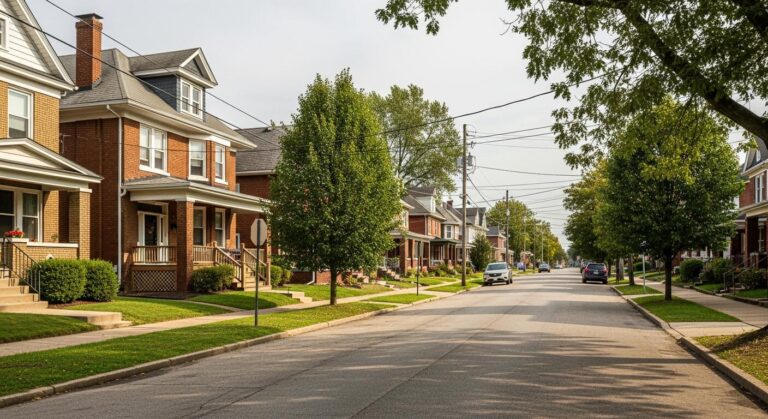
How to Invest in a “Bad Area” in Ohio: Smart Strategies for High-Risk Property Investment
Disclaimer: This article is for educational and informational purposes only. Any examples or neighborhood references are purely illustrative. We are not claiming to insure, manage, or represent any properties, investors, or entities mentioned. Always conduct your own due diligence and consult professional advisors before purchasing real estate or insurance.
How to Invest in a “Bad Area” in Ohio: Smart Strategies for High-Risk Property Investment
Every real estate investor eventually faces a tempting opportunity: a property priced well below market value, located in what many would call a “bad area.” Whether you define that as a high-crime neighborhood, a distressed block with aging housing stock, or an up-and-coming zone that hasn’t quite arrived yet, these opportunities can produce outsized returns—if you know how to manage the risks.
But high-risk real estate requires a higher level of planning—financially, operationally, and especially when it comes to insurance. Many investors underestimate how property condition, vacancy patterns, tenant turnover, and environmental liability influence long-term profitability. This guide breaks down everything you need to know to evaluate and confidently invest in a “bad area” anywhere in Ohio, including Dayton, Columbus, Cleveland, and Cincinnati.
We will cover:
- How to evaluate a high-risk neighborhood
- Cash-flow math and red flags investors miss
- Insurance considerations that materially affect ROI
- Real-world examples (for educational purposes only)
- How to reduce risk while increasing long-term stability
- When to walk away from a deal—even if it looks profitable
If you invest in rental real estate anywhere in Ohio, especially older urban cores, this guide will help you make smarter decisions and avoid the costly surprises that catch many new investors off-guard.
Understanding What a “Bad Area” Really Means
“Bad area” is an imprecise term. To an investor, it may refer to:
- High-crime zones (theft, property damage, vandalism)
- Low-income neighborhoods with unstable tenants
- Areas with poor housing stock—old roofs, aging plumbing, old electrical systems, structural issues
- Blocks with chronic vacancy
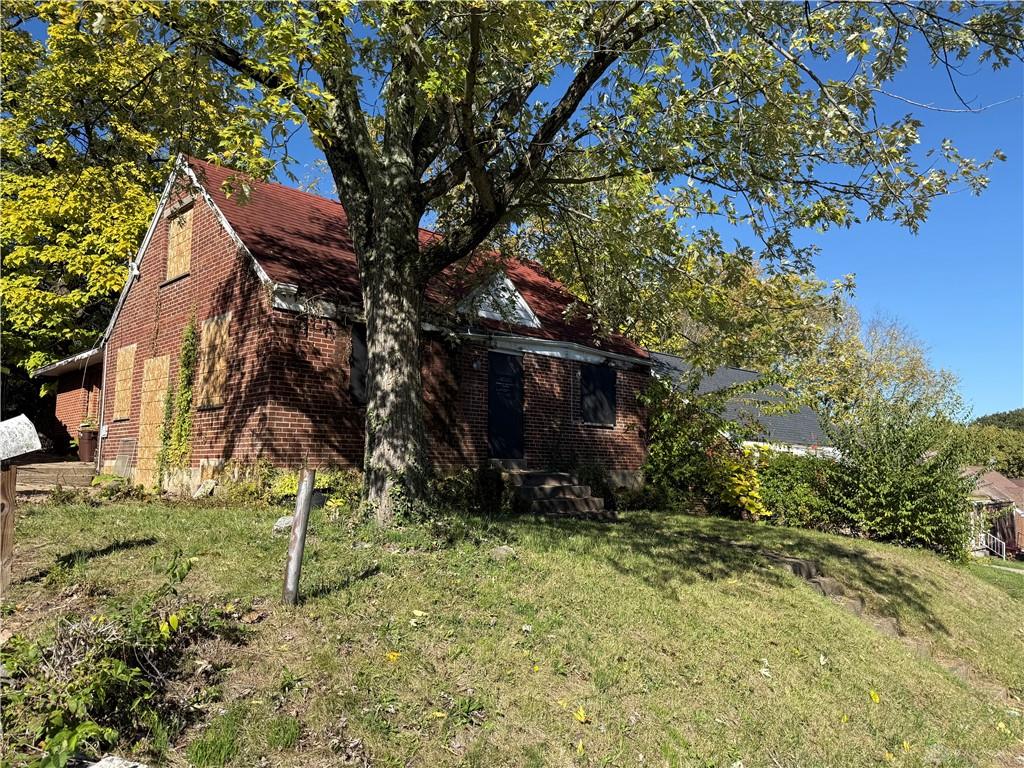
- Properties needing full rehab
- Environmental risk zones like creekside areas or flood plains
But here’s the nuance: a “bad” neighborhood is often a high-opportunity neighborhood—if you understand the risks and price appropriately.
Some of Dayton’s highest cash-flowing properties sit in areas investors avoided 20 years ago. Parts of Cleveland, Columbus, and Cincinnati have seen similar transformations. Smart investors don’t judge blindly—they judge strategically.
How to Evaluate a High-Risk Neighborhood
Investing in a tougher area requires deeper due diligence than buying in a stable suburb. These five categories matter most:
1. Crime Trends (Not Just Crime Levels)
Most new investors make a critical mistake when analyzing “bad areas”: they look at crime levels, not crime direction. Two neighborhoods can have the same crime rate today but be on completely different trajectories, and that difference can determine whether your investment thrives or struggles.
A high-crime area with declining crime may be one of the best value plays in the city. A moderately risky area with rising crime may quietly turn into a money pit. Smart investors don’t just ask, “Is this area bad?” They ask, “Is this area getting better or worse?”
What to Analyze Before Buying
• 3–5 Year Crime Trend (Up, Down, or Flat?)
Instead of relying on a single snapshot or a reputation from ten years ago, look at the last several years of crime data. Many Ohio cities publish crime maps or partner with tools like CityProtect or similar services. You want to know:
- Is total reported crime trending down, flat, or up over 3–5 years?
- Are there specific pockets getting noticeably better (new rehabs, fewer boarded homes)?
- Is city investment, code enforcement, or community activity increasing in the area?
A neighborhood that still looks rough but is trending downward on crime can be a strong long-term bet. One with flat or rising crime often requires very aggressive risk management and conservative projections.
• Types of Crime: Property vs. Violent
From an investor’s standpoint, property crime matters more than general crime statistics. Property crime directly affects landlords through:
- Break-ins and burglary
- HVAC and copper theft
- Garage and shed vandalism
- Car break-ins on or near the property
- Arson and intentional damage
Violent crime is a serious concern for residents and overall safety, but it doesn’t always translate into damaged buildings or insurance claims the way property crime does. A tough area with relatively low property crime can sometimes be more manageable than a “middle of the road” neighborhood with frequent vandalism and theft.
• Daytime vs. Nighttime Patterns
Walk or drive the block at different times of day:
- Morning (school and work commute hours)
- Afternoon (after-school period)
- Evening (after work and dinner hours)
- Late night (when many property crimes occur)
You’re not looking for perfection; you’re looking for patterns. Are there families outside? Are people maintaining their yards? Are there constantly different groups hanging around on the corners, or does it feel mostly residential and stable? Daytime activity often tells you a lot about who actually lives there. Nighttime noise and activity patterns tell you about potential nuisance issues and risks for tenants and property.
Why Crime Trends Matter for Insurance and Returns
Crime isn’t just a safety variable; it’s an insurance variable. Neighborhoods with high or rising property crime often see:
- Higher premiums for landlord and property policies
- More restrictive underwriting (fewer carriers willing to quote)
- Limitations or exclusions for vandalism, theft, or arson
- More inspections and required repairs before binding
- Higher deductibles on certain perils
In extreme arson or theft hotspots, some carriers may decline to insure at all unless significant security measures are in place. On the other hand, a neighborhood that used to be rough but is showing consistent improvement often has more carriers willing to write, more favorable pricing, and more stable long-term risk.
For investors, this means that understanding crime trends—not just static crime levels—helps you forecast real operating costs and avoid properties where claims and premiums will quietly erode your returns.
2. Housing Stock & Rehab Needs
The phrase “bad area” usually comes bundled with another reality: old houses with deferred maintenance. You’re not just buying a building; you’re inheriting decades of prior owners’ decisions, shortcuts, and neglect.
In many Ohio cities, the most affordable neighborhoods include homes built between 1900 and 1960, with some mid-century properties mixed in. These can be great investments when done right—but only if you genuinely understand the systems behind the walls and under the floors.
Common Issues in Older Ohio Housing Stock
• Original or Outdated Electrical Panels
Older properties often still have:
- Federal Pacific or Zinsco breaker panels
- Knob-and-tube wiring or cloth-wrapped conductors
- Ungrounded outlets and overloaded circuits
- Improvised wiring from decades of handyman “upgrades”
These systems can be fire hazards and may be unacceptable to certain insurance carriers. Some insurers will not bind coverage until panels are replaced or wiring is updated, especially in high-claim ZIP codes. That’s not just a rehab cost issue—it’s an insurability issue.
• 60–100 Year-Old Plumbing
Galvanized steel water lines, cast iron sewer laterals, and ancient fixtures are common. Problems include:
- Low water pressure and frequent leaks
- Chronic drain clogs
- Sewer line collapse or tree root intrusion
- Basement backups during heavy rain
Standard landlord policies usually do not cover the cost of digging up and replacing a failing sewer line. Without a service line endorsement or water backup coverage, you may be on the hook for thousands of dollars in underground repairs plus damage cleanup.
• Foundation and Structural Movement
Many older homes were built on stone, block, or early poured concrete foundations that have endured a century of freeze–thaw cycles, soil movement, and water exposure. Warning signs include:
- Horizontal cracks in block walls
- Stair-step cracks in brick or block
- Leaning or bowing foundation walls
- Floors that slope noticeably toward one side
- Doors that stick or won’t latch properly
Foundations can be repaired, but costs add up fast. Structural issues can also create insurance concerns—some carriers may decline, surcharge, or require engineer reports if damage is significant.
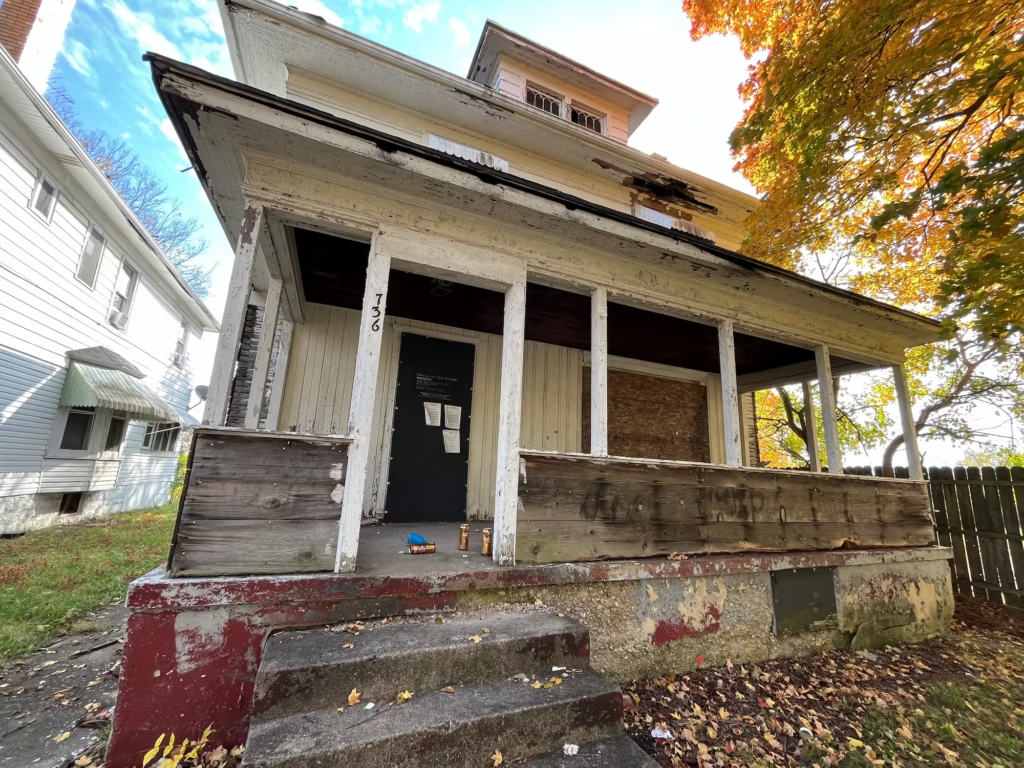
• Sagging Porches and Exterior Stairs
Front porches, stoops, and exterior stairs take a beating in Ohio weather. In older neighborhoods, you’ll often see:
- Soft or rotted decking boards
- Loose, wobbly, or missing handrails
- Uneven steps or crumbling concrete
- Improvised repairs that don’t meet code
These are more than cosmetic issues—they are prime sources of liability claims. A single slip-and-fall on broken steps can lead to a lawsuit that dwarfs a year’s worth of cash flow. Insurers pay close attention to these features during inspections, especially in high-risk neighborhoods.
• Old Furnaces, Boilers, and Ductwork Gaps
It’s common to find 20–30+ year-old furnaces, older boilers, or inconsistent ductwork in older homes. Risks include:
- Inefficient heating and high utility bills (a turnoff to tenants)
- Inadequate heat to upper floors (leading to freeze risk)
- Unsafe supplemental heat sources like space heaters
From an insurance standpoint, inadequate or unreliable heat in winter dramatically increases the risk of frozen pipes and water damage—especially during vacancy. That, in turn, increases claim frequency and can affect premium levels.
• Aging Roofs and Layered Shingles
In many “bad areas,” you’ll see roofs with:
- Two or three layers of shingles
- Curled, cracked, or missing shingles
- Sagging sheathing or soft spots
- Improper flashing around chimneys and vents
In certain ZIP codes and higher-risk neighborhoods, some carriers will only insure older roofs on an Actual Cash Value (ACV) basis instead of full replacement cost. That means if a 20-year-old roof is damaged in a storm, the payout after depreciation may be relatively small—leaving you to fund most of the replacement out-of-pocket.
Why Rehab and Insurance Go Hand-in-Hand
Many investors run a quick rehab estimate focusing on cosmetics—paint, flooring, kitchens, and baths—without fully accounting for the “invisible” systems that drive both long-term maintenance and insurance outcomes. In a high-risk or distressed area, the real cost of ownership usually hides in:
- Electrical panels and wiring
- Plumbing and sewer infrastructure
- Roof age and condition
- Foundation and structural integrity
- Porches, railings, and stairs (liability)
- Basement water management and drainage
These are the components that cause the majority of large insurance claims. They also influence whether a carrier will insure you at all—and at what price.
Properties in “bad areas” can absolutely be profitable, but only if you treat housing stock and rehab needs as a core part of your investment model, not an afterthought. Underestimating these costs—or ignoring how they interact with your insurance coverage—can turn what looked like an incredible deal into a slow, expensive drain on your portfolio.
3. Vacancy Patterns Matter
When you invest in tougher or higher-risk neighborhoods, vacancy isn’t just an inconvenience—it’s a genuine risk multiplier. Empty houses attract the exact problems you’re trying to avoid: theft, vandalism, break-ins, and slow, expensive turnovers. In many “bad areas,” the difference between a profitable property and a constant headache is how well you manage and insure around vacancy.
What High Vacancy Really Means
High vacancy on the block or in your specific unit can trigger a chain reaction of issues:
- More vandalism and theft — Vacant homes are easy targets for copper theft, HVAC removal, broken windows, and interior damage. Thieves know when a house is clearly empty.
- More break-ins and trespassing — Unused porches, dark windows, and uncut grass send a visual signal that “no one is watching,” increasing the odds of illegal entry or unauthorized occupants.
- Slower tenant replacement — In some high-risk areas, good tenants are harder to find. If the neighborhood reputation is rough and nearby homes sit empty, leasing can take longer than you expect.
- Higher likelihood of squatters — Vacant properties in distressed areas may attract squatters or unauthorized occupants, creating legal, safety, and repair challenges.
Every month of vacancy doesn’t just cost you rent; it increases the odds of something going wrong inside or outside the property.
The Insurance Angle: Vacancy Clauses and Limitations
Vacancy isn’t just a cash flow issue—it’s an insurance contract issue. Many landlord policies change significantly once a property has been vacant for a certain period, often 30–60 consecutive days. After that point, policies may:
- Exclude certain perils entirely, such as vandalism, glass breakage, or water damage from frozen pipes.
- Reduce coverage from replacement cost to actual cash value on some parts of the building.
- Apply higher deductibles for claims that occur while the property is vacant.
- Trigger underwriting review, inspections, or non-renewal if vacancies are frequent or prolonged.
Investors who don’t understand their vacancy clause often assume a loss will be covered, only to learn that the policy changed behind the scenes once the house sat empty too long. In high-risk neighborhoods, where turnover, rehab, and tenant screening can all create longer vacancy periods, this is a major factor many investors overlook.
Practical Ways to Manage Vacancy Risk
There are smart strategies to reduce vacancy exposure in tougher areas:
- Ask about vacancy endorsements or vacancy permits that extend full coverage for longer periods.
- Keep the property looking “lived in” with lights on timers, blinds, and regular yard maintenance.
- Schedule regular inspections during vacancy to catch leaks, security breaches, or damage early.
- Secure entries and lower-level windows with quality locks and, where appropriate, security devices.
- Shorten rehab timelines by planning materials and labor before closing whenever possible.
Vacancy will happen; the key is to plan for it in both your numbers and your insurance setup.
For a deeper dive on how vacancy affects landlord coverage in an older Ohio neighborhood, see our article on Wolf Creek landlord insurance, which explores vacancy-related risks and coverage options in detail.
4. Local Amenities & City Investment
Not all “bad areas” are created equal. Some are distressed but improving, while others are distressed and stagnant. Understanding the difference can determine whether you’re buying into the next turnaround neighborhood—or stepping into a long-term liability. One of the strongest predictors of future growth is the level of public and private investment happening nearby.
A high-risk neighborhood sitting next to a revitalizing corridor often experiences a “spillover effect.” As new businesses open, roads are improved, and housing stock is renovated, the surrounding blocks tend to stabilize. Conversely, if a neighborhood shows no signs of new investment, no new construction, and minimal community engagement, the long-term risk profile remains elevated.
What to Look For
Positive indicators that a “bad area” may be on the upswing include:
- New schools or renovated educational facilities — School investment is one of the strongest future value anchors for property appreciation.
- Transit additions or bus line improvements — When a city improves transit access, it often signals anticipated population growth or redevelopment.
- New housing being built or major rehabs — New construction, especially market-rate or mixed-income units, shows confidence from developers.
- Commercial investment such as coffee shops, breweries, restaurants, gyms, coworking spaces, and retail — These often precede larger redevelopment cycles.
- Infrastructure improvements like repaved roads, new sidewalks, upgraded lighting, or enhanced parks — These reduce long-term crime and increase resident engagement.
When these elements are present, a neighborhood labeled “bad” today may turn into one of the best cash-flow-to-appreciation opportunities within a few years. Investors who study these trends often outperform those who only look at the current condition of the block.
As a rule of thumb: investment follows investment. A neglected corridor with no dollars flowing in tends to remain stuck in place, while a struggling area near active development often improves faster than expected.
5. Local Government & Code Enforcement
Code enforcement dramatically shapes the operating environment for landlords—positively and negatively. Some “bad areas” have aggressive enforcement that forces landlords to bring aging properties up to modern standards. Others have minimal enforcement, allowing substandard properties to stay in circulation, which affects tenant quality, rental competition, and neighborhood stability.
Understanding a neighborhood’s code enforcement style gives you insight into future expenses, tenant pool quality, vacancy risk, and long-term appreciation potential.
Strict Code Enforcement
In some cities or neighborhoods, officials actively inspect rental housing, issue citations, and require landlords to make improvements. This can be frustrating in the short term, but beneficial in the long term. With strict enforcement:
- Rehab and ongoing maintenance costs are higher due to required permits, licensed contractors, and code upgrades.
- Housing quality improves over time because substandard landlords can no longer cut corners.
- Crime may decline as vacant, unsafe, or blighted properties are forced into compliance or sale.
- Insurance claims may decrease because updated systems reduce fire, water, and liability risks.
Neighborhoods with strong enforcement can be excellent long-term holds, especially if city investment is happening nearby.
Weak or Minimal Code Enforcement
Other cities or pockets within cities may take a more hands-off approach. While this can reduce upfront expenses, it also brings trade-offs:
- Lower initial rehab costs because the city isn’t mandating extensive updates.
- More competition from neglected or unsafe rentals, which can push down rent prices or attract problematic tenants.
- Higher vacancy and crime exposure because poorly maintained homes drag down the surrounding block.
- Greater long-term risk as deferred maintenance accumulates across the neighborhood.
Investors who rely on weak enforcement to “get away with” minimal rehab often experience higher tenant turnover, more damage, and more insurance claims. Conversely, investors willing to exceed the minimum tend to see better tenant outcomes even in challenging areas.
How Enforcement Impacts Insurance and Returns
Insurance carriers strongly prefer neighborhoods where the housing stock is maintained. In areas with weak enforcement:
- Policies may include stricter inspections before binding.
- Carriers may surcharge premiums or reduce coverage options.
- Vacant properties may face reduced coverage after 30–60 days.
- Claims are more likely due to older mechanicals and structural issues.
In areas with strong enforcement, the presence of better-maintained homes can help reduce underwriting restrictions, improve claim outcomes, and create more stability for the block.
At the end of the day, code enforcement—whether strict or lax—should be part of your financial modeling. It directly influences your rehab scope, insurance availability, operational costs, and long-term neighborhood trajectory.
Cash Flow in a High-Risk Area: The Math Investors Miss
Properties in distressed areas can cash flow extremely well—on paper. But many investors forget to include:
- Vacancy loss
- Eviction risk
- Insurance premium differences
- Higher maintenance for older homes
- Capital expenditures (roofs, mechanicals, foundations)
- Property damage incidents
Example (illustrative only): A duplex in a rougher area rents for $900 per unit—$1,800/mo. Great cash flow! But over a year you may encounter:
- Two months of vacancy per unit
- $2,500 in repairs
- Insurance premiums $500–$1,200 higher than a B-class area
- Turnover costs of $800–$1,500
Suddenly, your cash flow looks very different.
Insurance Considerations for Investing in a “Bad Area”
This is where most investors lose money without realizing why. Insurance in high-risk neighborhoods is not the same as insurance in stable suburbs.
1. Vacancy Restrictions (The #1 Overlooked Risk)
Most landlord policies limit or exclude certain coverages after 30 or 60 days of vacancy. This includes:
- Water damage from burst pipes
- Theft
- Vandalism
- Glass breakage
- Intentional damage
“Bad areas” often have more vacancy periods due to more frequent turnover or ongoing rehab cycles.
Solution: Ask about vacancy endorsements or vacancy permits.
2. Water & Sewer Backup Coverage
Older neighborhoods have older sewer lines. Tree roots, collapsing tiles, or overwhelmed storm systems can cause:
- Sewage in basements
- Drain backups
- Sump pump failures
This is not covered by default in most landlord policies.
For a deep dive into water-related landlord risks, see our guide on Loss of Rents Coverage in Ohio.
3. Fire Risk & Electrical Systems
Investors buying older homes in high-risk areas should expect:
- Old breaker panels
- Knob-and-tube wiring
- Overloaded circuits
- Space heaters used by tenants
Fire claims are more common in neighborhoods with aging infrastructure.
4. Liability Risk on Old Stairs, Porches & Sidewalks
Many high-risk areas have older structures with:
- Loose railings
- Settled porches
- Uneven concrete
- Narrow staircases
All of which increase slip-and-fall exposure.
For examples of liability risks in older neighborhoods, see our article on Westwood homeowners insurance.
5. Loss of Rents (Critical in High-Risk Areas)
Loss of rents coverage kicks in when a covered claim makes your unit uninhabitable.
In older or distressed neighborhoods, repair timelines tend to be longer because:
- Contractors are scarce
- Permits take longer
- Rehab requires more structural work
- Supply chain delays hit harder in older homes
Choose coverage that reflects realistic repair timelines—often 12–24 months, not 6–12.
Real-World Examples (Illustrative Only)
These examples are fictionalized and provided purely for educational purposes. They do not represent actual claims or insured clients.
Example 1: The $60,000 Property With the $16,000 Surprise
An investor bought a rental in a distressed area for $60,000. During a winter vacancy, a pipe burst and caused $16,000 in damage. Because the unit was vacant for 45 days and the investor did not have a vacancy endorsement, the claim was denied.
Lesson: Vacancy clauses matter more in high-risk areas.
Example 2: The Rehab That Needed Three Water Backups
A duplex near a busy commercial strip had aging sewer lines. During rehab, heavy rain overwhelmed the system and sewage backed up into the basement—three separate times.
Lesson: Always buy sewer/water backup in older neighborhoods.
Example 3: The Liability Claim From a Broken Step
A tenant’s guest fell through a rotted step on a 90-year-old porch. Liability coverage paid the settlement—but only because the investor upgraded to $500,000 limits.
Lesson: Liability exposure is higher in aging housing stock.
How to Reduce Risk When Investing in a “Bad Area”
There are practical ways to make high-risk areas profitable and stable.
1. Buy Better Than the Block
Even in distressed neighborhoods, good blocks exist. Look for:
- Pride of ownership
- Renovated homes
- Long-term tenants
- Clean yards
- Low vacancy on the immediate street
2. Do More Due Diligence Than You Think You Need
- Pull permits
- Inspect electrical, plumbing, roof, and foundation
- Check for water lines, clay tile drains, and sump pump needs
3. Prioritize Tenant Quality Over Speed
Fast leasing creates fast turnovers. Careful screening creates stability.
4. Invest in Safety Improvements
Add:
- Exterior lighting
- Cameras
- Secure doors
- Metal work on basement windows
- New handrails and stair treads
5. Choose Insurance Designed for Older or High-Risk Areas
This is where working with a local agent matters. Many national carriers won’t write certain zones or older housing; independent agents know which carriers evaluate these areas fairly.
When You Should Walk Away
Even at a great price, walk away if:
- The rehab cost exceeds 40–50% of ARV
- The block has more vacancies than occupied homes
- Insurance quotes are extremely high or limited
- Crime trend is sharply rising
- Contractor availability is poor
Sometimes a “deal” is just deferred pain.
Frequently Asked Questions: Investing in High-Risk Areas
Investing in high-risk or “bad” areas comes with both opportunity and complexity. Below is an expanded FAQ section designed to give investors deeper insight into the realities, risks, and strategies that drive success in these neighborhoods. These answers are written for educational purposes only, based on common patterns seen across Ohio’s older housing markets.
Are “bad areas” ever worth investing in?
Yes—absolutely. Many of Ohio’s best cash-flowing investments are found in neighborhoods that were once considered undesirable. What matters most is not whether the area is “bad” today, but whether the cash flow supports the risk and whether you can manage that risk effectively. Investors often succeed in these areas because:
- Purchase prices are low relative to rents.
- Value-add opportunities are plentiful.
- Rehab improvements can force large equity gains.
- Section 8 or other rent subsidies stabilize income.
- Appreciation may follow once city investment begins.
However, not all “bad areas” are equal. Some are improving, some are stagnant, and some are declining. Your job as an investor is to understand which direction the neighborhood is moving—not just how it looks right now.
Can you get landlord insurance in a high-crime or distressed area?
Yes, but insurance availability varies significantly based on the ZIP code, the specific street, and the property’s condition. Some carriers avoid certain pockets entirely, while others specialize in writing policies tailored for older or higher-risk neighborhoods. Factors that influence insurability include:
- Local property crime rates (especially theft, vandalism, and arson)
- Age and condition of the roof, wiring, plumbing, and HVAC
- Presence of safety hazards such as porch deterioration or missing handrails
- Vacancy status and expected duration before occupancy
- Whether the home has updated systems or still contains older components
This is one of the biggest reasons investors prefer to work with an independent agent who can quote multiple carriers. A single company may decline a property, yet three others may insure it without issue.
Do older homes cost more to insure?
Often yes. Older homes typically come with:
- Outdated or unsafe electrical panels
- Galvanized or cast-iron plumbing
- Aging sewer laterals vulnerable to root intrusion
- Old roofs with multiple layers of shingles
- Foundation issues caused by decades of settling
- Uninsulated attics, outdated HVAC, or drafty windows
Insurance carriers price policies according to the likelihood of a claim. Older homes are simply more likely to experience water leaks, electrical failures, exterior damage, or mechanical breakdowns—especially when located in higher-risk neighborhoods. That said, updating key systems (roof, wiring, plumbing) often reduces premiums and opens the door to better coverage options.
How important is water backup coverage in “bad areas”?
Critical. Water backup is one of the most frequent and costly perils in older Ohio neighborhoods. Water backup coverage protects against damage caused by:
- Sump pump failures
- Sewer clogs or line collapse
- Drain backups
- Tree root intrusion into sewer laterals
Without this endorsement, a flooded basement—even one caused by a covered peril like a power outage—may not be covered at all. Because many “bad areas” have older stormwater systems, large trees, and aging basements, water backup coverage can be the difference between a frustrating repair and a financially devastating one.
How much liability coverage should landlords carry in high-risk areas?
Liability claims are common in older neighborhoods due to conditions such as uneven sidewalks, aging porches, narrow staircases, and higher foot traffic. For this reason, landlords should typically carry at least:
- $300,000–$500,000 in personal or commercial liability coverage
- $1,000,000 liability limits for higher-risk or multi-unit rentals
- A personal or commercial umbrella policy in the $1M–$2M range for additional protection
A single slip-and-fall accident, porch collapse, dog bite, or contractor injury can instantly exceed lower liability limits. In neighborhoods with older housing stock and frequent walk-up entries, liability coverage is not where you want to cut corners.
Should I use Section 8 tenants in higher-risk areas?
Many investors do very well with Section 8 tenants in tougher neighborhoods. The key advantages include:
- Guaranteed rent payments (the government portion)
- Lower vacancy risk
- Stronger tenant screening through the local housing authority
- Longer tenancy compared to market-rate rentals in the same area
However, the program requires the property to pass inspection. If your property has significant deferred maintenance, Section 8 may be harder to use until upgrades are complete.
How can I reduce vacancy risk in distressed neighborhoods?
Vacancy is one of the biggest threats to profitability in high-risk areas. Investors who stay profitable focus on:
- Fast, efficient rehab—line up labor and materials in advance.
- Attractive but durable updates—vinyl plank flooring, solid doors, clean kitchens.
- Security improvements—lighting, cameras, reinforced entry points.
- Maintaining curb appeal—trash removal, basic landscaping, porch repairs.
- Proactive marketing—list early, use strong photos, offer virtual tours.
Longer vacancies also trigger insurance limitations, so keeping properties occupied or quickly turned over is both a cash-flow and risk-management priority.
What’s the biggest mistake investors make in “bad areas”?
Underestimating the hidden repair and insurance costs. Many investors run numbers on rent minus mortgage—ignoring:
- foundation repairs
- old sewer lines
- HVAC replacement
- roof layers
- water intrusion issues
- porch and stair safety hazards
- insurance exclusions during vacancy
Cosmetics are cheap. Mechanical, structural, and water-related issues are not. Successful investors budget realistically, understand insurance limitations, and plan rehab around long-term durability—not HGTV finishes.
What insurance endorsements are most valuable in high-risk neighborhoods?
In addition to standard landlord coverage, investors should consider:
- Water backup coverage (critical in older basements)
- Service line coverage (protects sewer laterals and underground lines)
- Vandalism and malicious mischief coverage
- Ordinance & Law coverage (covers required code upgrades)
- Extended replacement cost for rising labor and materials
- Vacancy permits to maintain full coverage during turnover
These add-ons can dramatically reduce long-term losses in distressed areas.
How do I know if a “bad area” is improving?
Look for early indicators of revitalization, including:
- new commercial development nearby
- streetscape or infrastructure upgrades
- city code enforcement crackdowns
- new housing construction or major rehabs
- young families or first-time buyers moving in
- reduced boarded homes and fewer vacancies
Neighborhoods rarely change overnight, but these early signs often predict major appreciation in the coming years.
Should I avoid appreciating areas because insurance is higher?
Not necessarily. Higher insurance costs often reflect:
- aging housing stock
- increased replacement cost trends
- rising material and labor prices
- higher local claim frequency
If the area is appreciating, those costs may be offset by:
- rising rents
- lower future vacancy
- a stronger tenant base
- increased resale value
The question isn’t whether insurance is higher—it’s whether the investment still makes financial sense when modeled correctly.
What role does an independent agent play in high-risk neighborhoods?
A knowledgeable independent agent helps investors by:
- shopping multiple carriers instead of just one
- finding policies that permit vacancy or rehab periods
- suggesting coverage most relevant to older homes
- preventing accidental underinsurance
- advising on liability risks specific to the property
In tougher neighborhoods—where claim frequency is higher and underwriting is stricter—having an agent who understands both real estate investing and insurance mechanics is enormously valuable.
Work With a Local Agent Who Understands High-Risk Ohio Markets
Ingram Insurance is based right here in Dayton, and we work with landlords across Wolf Creek, Westwood, Residence Park, Southern Dayton View, and older urban cores throughout Ohio. We understand the vacancy patterns, the pressure points of aging housing, and the risk factors that shape profitability.
If you’d like a second opinion on your coverage or want to compare landlord insurance options, we’re here to help.
Call (937) 741-5100, email contact@insuredbyingram.com, or visit insuredbyingram.com to get started.