
Rental Property Insurance for Duplex Owners in Little Richmond
Owning duplex rental properties in Little Richmond, Dayton, entails a blend of unique opportunities and challenges that necessitate a sophisticated understanding of landlord and rental insurance. This semi-rural neighborhood harmoniously combines historic homes with newer constructions, featuring spacious lots and a tranquil lifestyle. However, these appealing characteristics also introduce distinct insurance considerations, including septic system liabilities, heightened exposure to storms, and the complexities of aging infrastructure. This article serves as a comprehensive resource for duplex owners in Little Richmond seeking to protect their investments with informed decisions. By thoroughly examining how insurance functions within this specific local context—as well as drawing on insights from other Dayton neighborhoods—we empower landlords to make knowledgeable coverage choices and balance cost with protection tailored to their unique environment.
For broader context on landlord coverage across the region, you may also find value in our guide on rental property insurance for Dayton landlords, which complements this Little Richmond-specific discussion.
Meet Little Richmond, Dayton Ohio
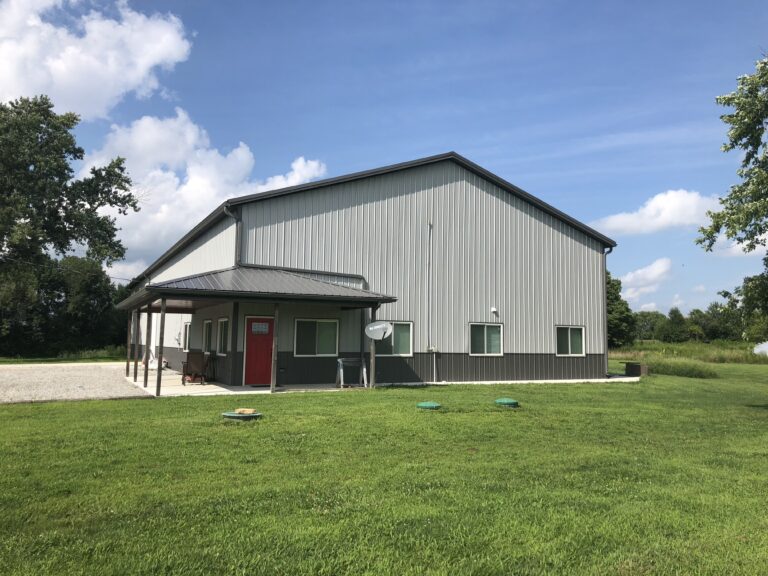
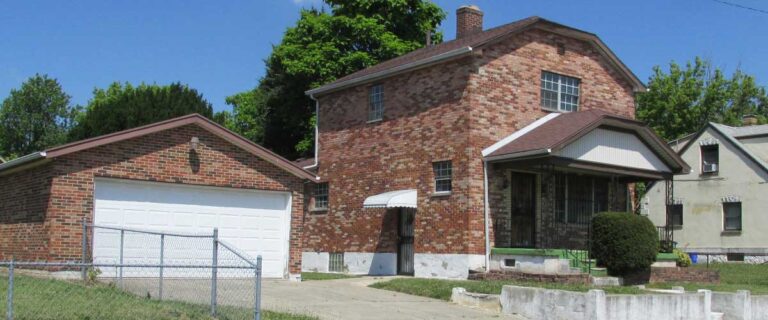
Little Richmond is a distinctive neighborhood situated within Dayton’s city limits, yet it preserves a semi-rural character that is uncommon in typical urban environments. The housing stock is notably diverse, encompassing early 20th-century farm-edge homes, modern duplexes, and newer single-family residences, all situated on generously sized lots. Mature trees, expansive yards, and detached garages frequently accompany these homes, collectively imparting a serene, pastoral charm to the neighborhood’s streetscape.
The streets of Little Richmond tend to experience low traffic volumes and are often bordered by extended driveways and well-established landscaping. Areas proximal to Wolf Creek include low-lying terrain that is particularly sensitive to drainage challenges, especially during heavy rainfall or seasonal storms. This mixture of older housing combined with newer constructions on large parcels creates a multifaceted insurance environment where risk must be carefully assessed on a property-by-property basis.
Those interested in a detailed examination of homeowners insurance in this neighborhood can refer to our local Little Richmond homeowners insurance guide, which pairs well with this landlord-focused article.
How the Built Environment in Little Richmond Shapes Insurance Risk
Insurance underwriting and risk evaluation are profoundly influenced by the physical and structural context of a property. In Little Richmond, the built environment presents several critical factors that shape the probability and potential severity of insurance claims for duplex landlords.
Primarily, the age and construction style of the housing stock play a pivotal role. Many duplexes occupy buildings originally designed for single-family occupancy or are conversions of older farmhouses, often featuring aging electrical and plumbing systems. These outdated systems elevate the risk of leaks, water damage, mold growth, and fire hazards. Such risks directly impact insurance premiums and the terms of coverage offered. To avoid common pitfalls, landlords can benefit from reading about common home insurance mistakes Ohio homeowners make.
Moreover, Little Richmond’s semi-rural setting adjacent to natural features such as the Wolf Creek corridor increases exposure to stormwater runoff, localized flooding, and septic system failures. Many properties depend on private septic systems—a major differentiator compared to neighborhoods like Westwood, Walnut Hills, or Residence Park, where municipal sewer is more common. For sewer and drainage concerns specifically, this guide on sewer and water-backup coverage is especially relevant.
A Critical Warning About Septic Tanks in Little Richmond
If you’re purchasing a duplex in Little Richmond—or anywhere in the western Dayton zip codes like 45405 and 45406—you absolutely must account for one of the biggest hidden risks in this entire part of the region: septic tanks. Many first-time landlords overlook this entirely, and even seasoned investors sometimes underestimate how crippling a septic failure can be.
Little Richmond has a higher concentration of older septic systems than most Dayton neighborhoods because several streets were never tied into the original municipal sewer expansions. These systems may be decades old, improperly maintained, or sized incorrectly for duplex-style occupancy, creating major vulnerabilities that insurance does not automatically cover.
Speaking from personal experience, septic failures can become catastrophic liabilities. A system collapse, drainfield saturation, or internal backup can easily run into five-figure repairs—sometimes more if contamination spreads under the structure or into a lower-level unit. In many cases, the landlord is on the hook entirely if sewer and drain backup coverage wasn’t endorsed beforehand, and even then, septic system replacement is rarely covered.
Before closing on any duplex in this part of Dayton—especially in 45405 and 45406, where many properties are still in need of renovation—invest in a full septic inspection by a licensed professional. This inspection should include tank condition, lid integrity, baffle performance, leach field saturation, and overall system capacity relative to expected tenant load. Skipping this step is one of the most expensive mistakes an investor can make.
For investors looking for value-add opportunities, the duplex stock in 45405 and 45406 can offer excellent returns, but only if foundational infrastructure risks—like septic—are handled upfront. An inspection, pump, and documented evaluation should be treated as mandatory due diligence, not an optional extra.
Key Insurance Risks for Landlord & Rental Insurance in Little Richmond
Property Damage from Weather and Storms: Proximity to Wolf Creek, heavy tree coverage, and open parcels increase storm-related risks. Learn more about storm damage coverage for Dayton properties.
Septic System Failures: One of the single biggest differentiators in this neighborhood. Standard policies exclude most septic damage unless you add a sewer/drain endorsement.
Liability Claims: Long driveways, icy access points, porches, and stairways raise slip-and-fall risk—making strong liability limits essential.
Tenant-Caused Damage: Older wiring, outdated plumbing, and inexperience with septic systems can all contribute to fires or water losses. Tenants should maintain renters insurance—here’s why: why every Dayton renter needs insurance.
Loss of Rental Income: When a duplex becomes uninhabitable, cash flow stops. Our guide on loss of rents coverage explains how to protect yourself.
How Landlord & Rental Insurance Works in Ohio (And What’s Different in Little Richmond)
Landlord insurance policies in Ohio fundamentally differ from homeowners policies by focusing on protecting the property owner’s investment rather than the occupant’s personal belongings. Core coverages typically include protection for property damage, liability, and loss of rental income. However, specifics and exclusions vary by insurer and geographic location.
What distinguishes Little Richmond is how local risks—septic systems, storm exposure, detached structures, driveway conditions, and contractor availability—shape underwriting. Insurers often scrutinize rural-style homes more deeply than typical urban Dayton properties.
For a broader look at reviewing your policy the right way, consider our resource on successful policy reviews.
Real-World Scenarios From Little Richmond Streets and Homes
Scenario 1: Storm Damage and Tree Fall on a Duplex Roof
During a late summer storm characterized by heavy winds and intense rainfall, a large oak tree was uprooted and fell onto the roof of a duplex in Little Richmond. Although the tenant remained unharmed, the roof sustained extensive structural damage, leading to water intrusion in both units. The landlord’s policy, including dwelling coverage and loss of rental income, covered the immediate roof repairs and compensated for lost rent during the two-month repair period.
Scenario 2: Septic Backup Damages Lower-Level Unit
A duplex owner became aware of septic system failure after tenants reported water backing up into a basement bathroom. Thanks to a sewer backup endorsement on the landlord policy, cleanup and repair costs were covered. Without the endorsement, this loss could have been financially devastating.
Scenario 3: Electrical Fire Caused by Outdated Wiring
An electrical short in an older converted farmhouse duplex caused a kitchen fire. The landlord’s insurance covered structural repairs while the tenant’s renters insurance covered personal belongings—reinforcing why duplex owners should require renters insurance.
Cost, Discounts, and Smart Ways to Control Premiums
Premiums vary based on property age, condition, coverage limits, and local exposures. However, landlords can lower costs through:
- Bundling multiple rental properties
- Upgrading electrical, plumbing, and roofing
- Regular septic inspections
- Adding monitored alarms
- Selecting appropriate deductibles
Nearby Neighborhoods and How They Compare
Little Richmond stands apart from these neighborhoods due to its semi-rural atmosphere, larger parcels, aging private septic systems, and more complex drainage patterns. In contrast, areas like Westwood or Residence Park face more urban-density related risks.
When and How to Review Your Policy if You Live or Own Property in Little Richmond
Landlords should review their policy annually or after major updates such as renovations, septic repairs, tree removal, or changes in occupancy. Key considerations include:
- Accurate dwelling coverage limits
- Sewer/drain backup endorsements
- Adequate liability limits
- Loss of rental income protection
- Updated deductible strategies
Working With a Local Independent Agent Who Knows Little Richmond
Ingram Insurance, headquartered here in Dayton, specializes in serving landlords and property owners throughout Little Richmond. Our deep understanding of neighborhood-specific risks—rural infrastructure, septic exposure, storm patterns, and conversion-style duplexes—allows us to tailor policies with precision.
Prefer to Work With an Agent in Spanish?
If you or your tenants feel more comfortable discussing insurance in Spanish, we are proud to offer full support through our Spanish-language site. Clear communication is essential when protecting your home or rental investment, and we want every Dayton resident to have access to accurate, trustworthy guidance — in the language they prefer.
You can visit our Spanish-language site anytime at es.insuredbyingram.com to connect with an agent who can assist you fully in Spanish.
Our Commitment to Dayton and Its Neighborhoods
At Ingram Insurance, our love for the city of Dayton runs deep. This isn’t just where we work — it’s where we live, invest, raise our families, and build long-term relationships across every corner of the city. From the historic blocks of Grafton Hill to the tree-lined streets of Belmont, from the tight-knit charm of Twin Towers to the semi-rural quiet of Little Richmond, every neighborhood has its own story — and its own insurance needs.
Our mission is simple: to create the most detailed, helpful, and hyper-local insurance content available anywhere in Ohio. We want every homeowner, landlord, property manager, and investor in Dayton to feel empowered, informed, and confident in their coverage decisions. Whether you’re evaluating a duplex in 45406, managing rentals near Wolf Creek, or buying your first home in Walnut Hills, we are committed to giving you practical, neighborhood-specific insights that actually matter.
Dayton is a city full of resilience, history, and upward momentum — and we are honored to play even a small role in helping residents protect what they’ve built. Thank you for trusting us, learning with us, and allowing us to support this incredible community one neighborhood at a time.
Contact us at (937) 741-5100, email contact@insuredbyingram.com, or visit https://www.insuredbyingram.com/ to get started.