
If you rent an apartment, duplex, condo, or single-family home in Ohio, renters insurance is one of the simplest ways to protect yourself financially. Most tenants assume the landlord’s insurance covers their belongings, but in almost every case it does not. A renters policy can help pay to replace your personal property after a covered loss (like a fire or theft), protect you if someone gets hurt and you’re found liable, and cover extra living expenses if you’re forced to move out temporarily. This guide explains renters insurance in Ohio in plain language—what it covers, what it doesn’t, how much it typically costs, and how to choose the right policy.
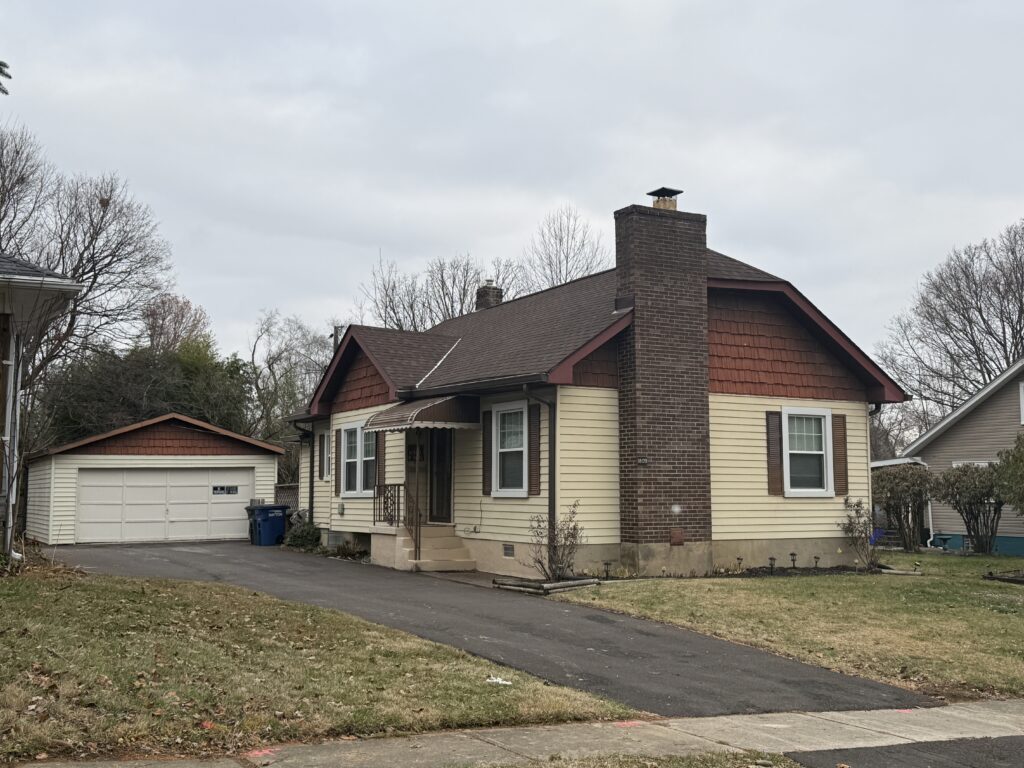
Renters Insurance in Ohio
Quick Summary
Renters insurance in Ohio is designed to protect tenants—not the building owner. It typically includes personal property coverage, personal liability protection, medical payments to others, and loss of use (additional living expenses). Many Ohio landlords now require proof of renters insurance, often with a minimum liability limit. The best policy depends on your belongings, your liability exposure, and whether you choose replacement cost or actual cash value coverage.
What Renters Insurance Covers in Ohio
While policies can vary by carrier, renters insurance in Ohio commonly includes four core parts. The goal is to protect you from the most expensive “surprise” events renters face: property losses, liability claims, and being displaced from your home.
Personal Property (Your Stuff)
Personal property coverage helps pay to repair or replace your belongings after a covered loss. This can include furniture, clothing, electronics, kitchen items, bedding, and more. Covered causes of loss often include fire, smoke, theft, vandalism, and certain types of water damage (depending on the policy). If your home is broken into in Dayton, Columbus, Cincinnati, Cleveland, Toledo, or anywhere in between, renters insurance can help you replace stolen items—subject to your deductible and policy limit.
Important detail: renters insurance covers your personal property even when it’s not inside your home in some situations. For example, if a laptop is stolen from your car or you lose items while traveling, coverage may apply depending on the policy terms and the cause of loss.

Personal Liability (If You’re Responsible)
Liability coverage helps protect you if someone claims you caused bodily injury or property damage. This is one of the most overlooked but valuable parts of a renters policy. Examples include a guest slipping in your unit, accidental damage you cause to someone else’s property, or incidents involving pets. Liability coverage can help pay for legal defense and settlement costs, up to your policy limit.
In Ohio, liability claims can become expensive quickly. Even a minor injury claim can involve medical bills, lost wages, and legal costs. Liability coverage is often the part of the policy that gives renters the most “sleep-at-night” value.
Medical Payments to Others
Medical payments coverage can help pay small medical bills for someone injured on the premises, regardless of fault (up to the limit). It can reduce the chance a small incident becomes a larger liability claim.
Loss of Use (Additional Living Expenses)
If your rental becomes uninhabitable due to a covered loss (such as a fire), loss of use coverage can help pay for additional costs like a hotel, temporary rent, and extra food expenses beyond your normal budget. This coverage can be a lifesaver if you’re displaced unexpectedly.
What Renters Insurance Does Not Cover
Renters insurance is broad, but it’s not “everything insurance.” Understanding exclusions is one of the fastest ways to avoid disappointment at claim time.
Flood Damage
Flooding is typically excluded under standard renters policies. If you are concerned about flood risk, you may need a separate flood policy. You can learn more about flood coverage at the National Flood Insurance Program website: FloodSmart.gov.
Earthquake
Earthquake coverage is usually excluded unless added by endorsement (and availability varies).
Wear and Tear or Maintenance Issues
Insurance is not meant to cover gradual damage, maintenance problems, mold due to long-term moisture issues, or neglect.
High-Value Items Above Sub-Limits
Most policies include sub-limits for categories like jewelry, firearms, collectibles, and certain electronics. If you have high-value items, you may need scheduled personal property coverage to fully protect them.

How Much Does Renters Insurance Cost in Ohio?
Renters insurance in Ohio is usually one of the most affordable insurance policies you can buy. Many tenants pay somewhere in the range of $10 to $25 per month, depending on coverage choices and rating factors. The exact cost depends on several variables.
What Impacts Your Premium
Renters insurance pricing is based on risk and coverage. Common factors include your coverage limits, deductible, claims history, credit-based insurance score (where permitted), location, building characteristics, and whether you add endorsements for valuable items.
In general, higher personal property limits and lower deductibles increase premium. Adding replacement cost coverage also increases cost but can be worth it because it changes how property claims are paid (more on that below).
Typical Coverage Limits Ohio Renters Choose
Many Ohio renters select personal property limits such as $20,000, $30,000, or $50,000 depending on how much they own. Liability limits often start at $100,000 and commonly go up to $300,000 or $500,000 for added protection. Higher liability limits are often surprisingly affordable.
Do Ohio Landlords Require Renters Insurance?
Many landlords in Ohio require renters insurance as part of the lease. Requirements vary, but a common lease clause asks for proof of coverage and a minimum liability limit—often $100,000 or higher. Some landlords also request that the tenant name the landlord or property manager as an “additional interested party” so they can be notified if the policy cancels.
If your lease requires renters insurance, the fastest way to stay compliant is to obtain a declarations page after purchase and provide it to your landlord. If you change carriers or your policy renews, update the proof of insurance if requested.
Replacement Cost vs Actual Cash Value (This Matters a Lot)
This is one of the most important choices on a renters policy, and it’s easy to miss when you’re shopping quickly.
Actual Cash Value (ACV)
Actual cash value generally pays for your items after depreciation. That means if you have a 5-year-old TV or couch, the claim payment may be far less than the cost to buy a new one today.
Replacement Cost
Replacement cost coverage is designed to pay what it costs to replace your items with new items of like kind and quality (subject to policy terms). This option typically costs a bit more, but it’s often a better value when you consider what it actually takes to replace your belongings after a major loss.
How Much Renters Insurance Do You Need in Ohio?
To choose the right renters insurance limits, start with two numbers: how much you own and how much liability exposure you have.
Estimate Your Personal Property
Walk through your home room-by-room and list major categories: furniture, electronics, kitchen items, clothes, tools, sporting goods, and décor. Most renters underestimate their property value until they do a quick inventory. Even a modest apartment can easily exceed $20,000 in personal belongings.
Choose a Liability Limit You Can Live With
Liability coverage is inexpensive compared to the protection it provides. Many renters choose $300,000 or more for peace of mind. If you have higher risk factors—frequent guests, certain dog breeds, or you want stronger legal protection—higher limits may be appropriate.
Consider an Umbrella Policy
If you have significant assets or want extra liability protection, a personal umbrella policy can provide additional coverage above your renters liability limit. Umbrella policies are typically used by homeowners more often, but renters can sometimes qualify depending on the carrier and account setup.

Common Ohio Renters Insurance Mistakes
Most renters who get disappointed by insurance didn’t do something “wrong”—they just weren’t told what to watch for. Here are the most common issues we help people avoid.
Buying the Cheapest Policy Without Checking Coverage Type
The cheapest quote often uses actual cash value for property and lower limits. It can look fine on day one but feel very different after a loss.
Underinsuring Personal Property
Low limits keep premium down but can leave you paying out-of-pocket to replace belongings. A quick inventory usually reveals you need more coverage than you thought.
Not Understanding Sub-Limits
Jewelry, firearms, collectibles, and some electronics may have sub-limits. If you own higher-value items, scheduling them is often the correct solution.
Forgetting to Update After a Move
Moving across town or switching units can affect rating and underwriting. Keep your policy updated so coverage and address information remains correct.
How to Get Renters Insurance in Ohio
You can buy renters insurance online, through a captive carrier, or through an independent agency. The advantage of an independent agency is that you can compare multiple carriers and coverage options without having to start from scratch each time.
If you’re shopping, here are the fastest steps to get accurate quotes:
First, estimate how much personal property coverage you need. Second, choose a liability limit (many renters choose $300,000). Third, decide whether you want replacement cost coverage for personal property. Finally, let the quoting process confirm eligibility, discounts, and optional endorsements.
Renters Insurance Discounts Ohio Tenants Often Qualify For
Discount availability depends on the carrier, but renters frequently qualify for savings such as multi-policy discounts (bundling renters with auto), protective device discounts (smoke detectors, sprinklers), claim-free discounts, and sometimes “new customer” or paperless billing discounts. Even if renters insurance is already affordable, discounts can help you increase coverage without increasing the monthly cost as much.
Renters Insurance Ohio FAQ
Is renters insurance required in Ohio?
Ohio law does not require renters insurance statewide, but many landlords require it as part of the lease agreement. Always check your lease terms.
Does my landlord’s insurance cover my belongings?
In most cases, a landlord’s policy covers the building and the landlord’s liability—not the tenant’s personal property. Renters insurance is designed to cover the tenant’s belongings and liability.
Does renters insurance cover water damage?
It can, depending on the cause of loss. Some sudden and accidental water damage may be covered, while flood damage is typically excluded. Always review policy language and endorsements.
Will renters insurance cover roommates?
Usually, roommates need separate policies unless they are listed as insureds on the same policy and the carrier allows it. Many insurers prefer each roommate carry their own policy.
How fast can I get proof of renters insurance?
Often immediately after purchase. You can typically download a declarations page or request proof of insurance from your agent.
What liability limit should I choose?
Many renters choose at least $100,000, but $300,000 is common and often affordable. If your lease requires a specific limit, meet or exceed that requirement.
Ready for an Ohio Renters Insurance Quote?
If you want help comparing renters insurance options in Ohio, we can shop coverage with multiple carriers and explain the differences in plain language. No pressure—just clarity, and a policy that matches what you actually need.
Ingram Insurance
733 Salem Ave, Dayton, OH
Phone: (937) 741-5100
Email: contact@insuredbyingram.com
Website: https://www.insuredbyingram.com/