Roof Age, Roof Materials, and Insurance Pricing in Ohio
When Ohio homeowners ask why their insurance premium changed, the answer is often sitting right above their heads—the roof. Roof age, roofing material, and the complexity of the design all play a huge role in how companies price home insurance. In places like Grafton Hills with terra cotta tile roofs, Oakwood with its slate roofs, and the million-dollar properties in Centerville and Washington Township with complex rooflines, the stakes are even higher. This guide explains how insurers look at your roof, why certain materials cost more to insure, and what you can do to protect both your home and your budget.
Why Your Roof Matters So Much to Insurance Companies
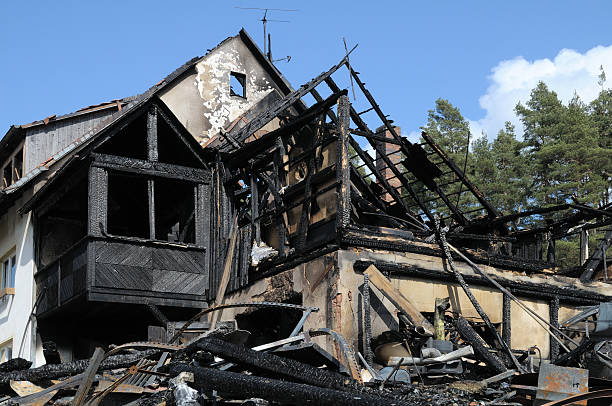
From an insurance standpoint, your roof is the first line of defense against Ohio’s wind, hail, rain, snow, and ice. If the roof fails, the damage doesn’t stay on the outside. Water moves into the attic, walls, insulation, electrical systems, flooring, and personal property. A damaged roof can easily turn into a six-figure claim.
Because of that, companies put a lot of weight on three big factors:
- Roof age – How long has it been in service?
- Roof material – Asphalt, slate, metal, terra cotta, synthetic, etc.
- Roof design – Simple gable vs extremely complex rooflines with multiple peaks, dormers, and valleys.
Let’s break down how each of these affects your premium in Ohio.
How Roof Age Impacts Insurance Pricing in Ohio
Every roof has an expected service life. Insurers compare your roof’s current age to its typical lifespan and price the policy accordingly. The closer your roof gets to the end of its life, the more likely it is to fail in a storm—and the more likely you are to file a claim.
Common Roof Age Brackets
Most insurers use age brackets when underwriting roofs. While each company is different, you’ll often see categories like:
- 0–10 years: Newer roofs, usually favorable pricing and easier access to Replacement Cost coverage.
- 11–15 years: Middle-aged roofs, pricing starts to climb, more questions asked during underwriting.
- 16–20 years: Higher risk category, some carriers will begin limiting coverage or require inspections.
- 21+ years: “End of life” territory for many materials, especially basic asphalt shingles.
Older roofs are not automatically uninsurable—but they are more expensive and often come with strings attached.
Replacement Cost vs Actual Cash Value on Older Roofs
With younger roofs, it’s common for the policy to cover your roof at Replacement Cost—meaning the insurer pays what it costs to put on a new roof, minus your deductible. As the roof ages, some companies switch to Actual Cash Value (ACV), which subtracts depreciation due to age and wear.
In practice, this means a 25-year-old roof that costs $18,000 to replace might only receive an ACV payout of $5,000–$7,000 after depreciation and deductible. Insurance pricing reflects these risks. The older the roof, the more likely you are to see:
- Higher deductibles for wind and hail
- ACV-only coverage on the roof
- Requirements to replace the roof to keep coverage
How Roof Materials Affect Insurance Pricing
Not all roofs are created equal. Material type impacts how well a roof holds up to Ohio’s wind, hail, and freeze-thaw cycles—and how much it costs to repair when something goes wrong.
Asphalt Shingle Roofs
Asphalt shingles are the most common roof type in Ohio and across Montgomery County. Insurers know them well, and pricing is fairly predictable.
- Pros: Affordable to install and repair; widely available contractors; easy to inspect.
- Cons: More vulnerable to wind uplift and hail damage; shorter lifespan than premium materials.
- Insurance impact: Usually the baseline for pricing; rates vary heavily by age and condition.
Slate Roofs in Oakwood and Historic Dayton
Slate roofs are iconic in older Oakwood neighborhoods and some historic districts in Dayton. They are beautiful, durable, and long-lasting—but they present unique challenges from an insurance standpoint.
- Pros: Very long lifespan when maintained (often 75–100+ years); fire-resistant; highly wind and weather resistant.
- Cons: Extremely heavy; costly to repair or replace; damage often requires specialty contractors; replacement slate can be hard to match.
- Insurance impact: Higher rebuilding costs and specialized labor often mean higher premiums. Some carriers may require inspections, photos, or even exclude certain cosmetic damage.
In Oakwood, a “minor” slate claim can still be expensive. One cracked or displaced slate can let water into the underlayment, and a full repair may involve scaffolding, safety gear, and hard-to-find materials. Insurers price policies to reflect that potential.
Terra Cotta Tile Roofs in Grafton Hills
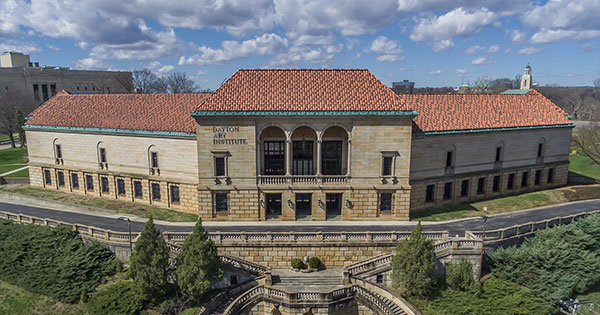
Grafton Hills and similar historic pockets around Dayton feature some stunning homes with terra cotta tile roofs. These roofs give the neighborhoods their unique charm—but they can be complex to insure.
- Pros: Excellent fire resistance; long lifespan; beautiful architectural character.
- Cons: Tiles are brittle and can crack under impact; specialized installation and repair; tiles may no longer be manufactured or easy to match.
- Insurance impact: Higher replacement cost and specialized trade labor often translate to higher premiums. Some carriers may limit which contractors can be used or require detailed documentation before binding coverage.
Wind and hail claims on terra cotta roofs can be especially expensive. Even if only a section of tiles is broken, matching color, texture, and pattern can be difficult—and insurers may need to pay for more extensive replacement to maintain a uniform appearance.
Metal Roofs
Metal roofs have become more common in parts of rural Montgomery County and on some custom homes.
- Pros: Extremely wind-resistant; long lifespan; good performance in snow and ice.
- Cons: Prone to cosmetic hail dents; can be noisy; repairs may require specialized crews.
- Insurance impact: Some policies exclude purely cosmetic damage to metal roofing, focusing only on functional damage (leaks, punctures, etc.). That language matters when storms roll through.
Flat and Low-Slope Roofs
Flat or low-slope roofs are common on multi-family buildings, commercial properties, and some older urban homes.
- Pros: Efficient use of space; can be cost-effective.
- Cons: Vulnerable to ponding water; membrane punctures; seam failure; drainage issues.
- Insurance impact: Insurers may price these higher due to water intrusion risk and may require more frequent inspections or documented maintenance.
Roof Design Complexity and Insurance Pricing
Even if two roofs are the same age and material, they can be very different from an insurance perspective. The complexity of the roof significantly affects repair cost and labor time.
Simple Rooflines
A basic gable or hip roof with few penetrations (vents, chimneys, skylights) is easier and less expensive to replace. Roofing crews can lay shingles or other materials faster, and there are fewer vulnerable transition points where leaks can develop.
Complex Rooflines in Centerville and Washington Township
In the million-dollar homes of Centerville and Washington Township, it’s common to see extremely complex roof designs:
- Multiple peaks and valleys
- Numerous dormers and gables
- Intersecting roof planes at different heights
- Large numbers of skylights, chimneys, and architectural details
These roofs are stunning—but expensive to repair. Labor takes longer, waste material is higher, and there are more flashing areas that must be done perfectly to avoid leaks.
Insurers know that a hail or wind claim on a roof like this is going to cost more than the same storm hitting a simple ranch-style home. That extra cost shows up in the premium, especially when high-end materials and complex architecture are combined.
How Insurers Evaluate Your Roof When Quoting
When you request a home insurance quote, the company gathers as much roof information as possible before deciding on a price and coverage terms. Typically they look at:
- Age: From public records, prior inspections, or your disclosures.
- Material: Asphalt, slate, tile, metal, etc.
- Condition: From photos, inspections, or aerial imagery.
- Pitch and complexity: Steeper and more complex roofs usually cost more to replace.
- Prior claims: Past wind or hail claims may affect eligibility or pricing.
With specialty roofs—like terra cotta in Grafton Hills or slate in Oakwood—many carriers will request detailed photos and sometimes contractor documentation to verify condition before finalizing coverage.
How Roof Condition Affects Claims and Pricing
Two roofs can be the same age and material but have very different risk profiles based on maintenance.
- A 20-year-old roof that has been regularly inspected and repaired may still perform well in storms.
- A 12-year-old roof with missing shingles, moss growth, and soft spots can be a major red flag.
Insurers may respond to poor roof condition by:
- Raising premiums
- Requiring repairs or replacement to keep coverage
- Limiting wind and hail coverage
- Declining to insure the home at all
On the flip side, evidence of good maintenance can help your agent place your home with a carrier that values responsible owners and offers better pricing.
What You Can Do to Protect Your Roof and Your Premium
As a homeowner, you have more control than you might think. A few practical steps can improve your roof’s performance and keep your insurance pricing as reasonable as possible.
1. Stay Ahead of Maintenance
- Schedule periodic roof inspections, especially after major storms.
- Replace damaged or missing shingles quickly.
- Keep gutters clear to prevent water backup.
- Trim overhanging branches that could fall during windstorms.
2. Document Roof Work
- Keep receipts and invoices for repairs and replacements.
- Ask your roofer to note materials used, warranty details, and expected lifespan.
- Take before-and-after photos when major work is done.
This documentation can help your agent advocate for better coverage or resolve questions during underwriting or a claim.
3. Consider Material and Design When Renovating
If you’re planning a renovation or roof replacement, think about how your choices will affect insurance pricing:
- Upgrading from basic three-tab shingles to architectural shingles can improve storm performance.
- Choosing impact-resistant materials may earn discounts with some carriers.
- Adding a lot of unnecessary complexity to the roof design may increase rebuilding cost and future premiums.
4. Review Your Policy for Roof-Specific Language
Ask your agent about:
- Whether your roof is covered at Replacement Cost or Actual Cash Value.
- Any cosmetic damage exclusions, especially for metal or specialty roofs.
- Whether a separate wind or hail deductible applies.
- Any endorsements or limitations specific to slate, tile, or flat roofs.
Internal Links (Topic Tags)
Recommended Deep-Dive on the Main Site
For a closer look at how roof age affects landlords and investors in Ohio, you may also want to read:
The 15-Year Roof Rule No One Warns Landlords About (Ohio Edition)
Final Thoughts
Roof age, materials, and design aren’t just construction details—they are major drivers of your home insurance pricing in Ohio. Whether you own a slate-roof classic in Oakwood, a terra cotta showpiece in Grafton Hills, or a sprawling custom home in Centerville or Washington Township, understanding how insurers look at your roof can help you make smarter decisions, avoid surprises, and better protect your investment.
Get Help Reviewing Your Roof and Coverage
At Ingram Insurance, we work every day with Ohio homeowners who have unique roofs and unique properties. We understand how local weather, historic architecture, and modern building trends all factor into your coverage and pricing.
If you’d like help reviewing how your roof is insured—or you’re planning a replacement and want to know how it will impact your premium—we’re here to help.
Ingram Insurance
733 Salem Ave
Dayton, OH 45406
📞 (937) 741-5100
📧 contact@insuredbyingram.com
🌐 www.insuredbyingram.com