Navigating Roof Exclusions and ACV Settlement Clauses in Your Insurance Policy
Roof exclusions: When it comes to protecting your home, your roof is one of the most critical components. However, insurance policies can sometimes include exclusions or specific clauses that might affect your coverage. Understanding these terms and knowing how to address them is essential for ensuring you have the protection you need. This article will guide you through what to do when an insurance company places an exclusion on your roof or includes an Actual Cash Value (ACV) settlement clause in your policy.
Understanding Roof Exclusions
What is a Roof Exclusion?
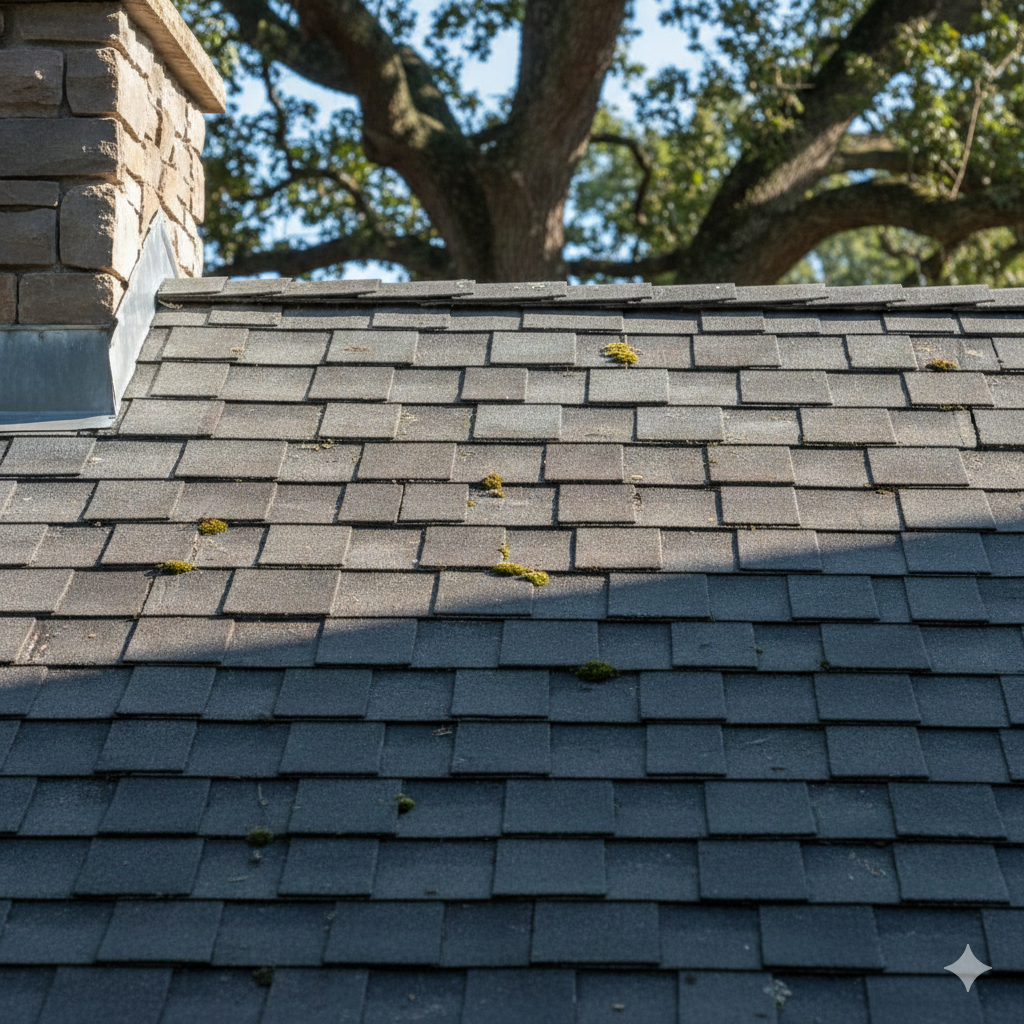
A roof exclusion in an insurance policy means that the insurer will not cover damages to your roof under certain conditions. This could be due to the age of the roof, the type of roofing material, or a history of previous claims. Such exclusions can leave homeowners vulnerable to significant out-of-pocket expenses if their roof is damaged.
Steps to Take
- Review Your Policy: Carefully examine your insurance policy to understand the specific terms of the roof exclusion. Look for any conditions or limitations that apply.
- Contact Your Agent: Reach out to your insurance agent to discuss the exclusion. They can provide clarity on how it affects your coverage and suggest possible solutions.
- Consider a Roof Inspection: An inspection by a qualified roofing professional can provide documentation on the condition of your roof, which may help in negotiating with your insurer.
- Explore Additional Coverage: If your current policy does not cover your roof adequately, consider purchasing additional coverage or a separate policy that specifically addresses roof damage.
Navigating ACV Settlement Clauses
What is an ACV Settlement Clause?
An Actual Cash Value (ACV) settlement clause means that in the event of a claim, the insurer will reimburse you for the depreciated value of your roof rather than the full replacement cost. This can result in a lower payout, leaving you to cover the difference.
Steps to Take
- Understand Depreciation: Familiarize yourself with how depreciation is calculated for your roof. This will help you estimate potential out-of-pocket costs in the event of a claim.
- Discuss with Your Agent: Talk to your insurance agent about the implications of an ACV clause. They can explain how it impacts your coverage and what options are available to you.
- Consider Replacement Cost Coverage: If possible, upgrade to a policy that offers replacement cost coverage, which provides a higher payout by covering the cost of a new roof without deducting for depreciation.
Taking Action
Understanding and addressing roof exclusions and ACV settlement clauses in your insurance policy is crucial for maintaining comprehensive coverage. By reviewing your policy, consulting with your agent, and exploring additional coverage options, you can better protect your home and financial well-being.
For more personalized advice or to discuss your specific insurance needs, please reach out to our agency. Our team is here to help you navigate the complexities of insurance and ensure you have the protection you deserve.
Understanding Roof Exclusions
1. What exactly is a roof exclusion?
A roof exclusion is a specific provision in your insurance policy stating that the insurer will not pay for damages to your roof under certain defined conditions, such as age or material type.
2. Why would an insurance company exclude my roof?
Common reasons include the roof being past its expected lifespan, the use of specialized or hard-to-repair materials, or a history of frequent previous claims on the property.
3. If I have an exclusion, is my entire house still covered?
Generally, yes. An exclusion typically applies only to the specific component mentioned (the roof), but the rest of your dwelling coverage usually remains intact.
4. How do I know if my policy has a roof exclusion?
You should review your Declarations Page and the Exclusions section of your policy. Look for “Roof Surface Endorsements” or similar language.
5. Can a roof inspection help remove an exclusion?
Yes. If a professional inspection proves the roof is in better condition than the insurer assumes, you can present that documentation to your agent to negotiate a removal of the exclusion.
6. Does a roof exclusion last forever?
Not necessarily. If you replace the roof with new materials and provide proof of installation to your insurer, they will typically remove the exclusion.
7. Should I talk to my agent about exclusions before a storm hits?
Absolutely. Once a storm occurs, it is too late to change your coverage. Proactive communication ensures you aren’t surprised by out-of-pocket costs later.
Navigating ACV Settlement Clauses
[Image of Actual Cash Value vs Replacement Cost comparison chart]
8. What does “Actual Cash Value” (ACV) mean?
ACV is the value of your roof at the time of the loss. It is calculated by taking the replacement cost and subtracting depreciation (wear and tear over time).
9. How is depreciation calculated for a roof?
Insurers typically look at the age of the roof and its expected lifespan. For example, if a 20-year roof is 10 years old, it may have lost 50% of its value.
10. What is “Replacement Cost Coverage”?
This coverage pays to replace your damaged roof with a brand-new one of similar quality, without deducting any money for the age or condition of the old roof.
11. Why do insurers include ACV clauses?
Insurers use ACV clauses to reduce their risk on older roofs that are more likely to fail or suffer damage than brand-new ones.
12. Will an ACV settlement cover the full cost of a new roof?
Rarely. Because ACV subtracts depreciation, you will almost always have to pay the difference between the check you receive and the actual bill from the roofer.
13. Can I upgrade from ACV to Replacement Cost?
Often, yes. Many insurers allow you to add a “Replacement Cost Endorsement” for an additional premium, provided the roof meets certain age requirements.
Taking Action
14. What is the first step I should take if I find an ACV clause?
Contact your insurance agent. Ask them to run a quote for Replacement Cost so you can see if the higher premium is worth the better protection.
15. Does the type of roofing material affect these clauses?
Yes. Certain materials, like wood shakes or very old slate, are more likely to trigger exclusions or ACV settlements because they are expensive or difficult to replace.
16. If I have an ACV policy, should I save extra money for repairs?
Yes. Since an ACV payout will be lower than the actual repair cost, having an emergency fund to cover the “depreciation gap” is a wise financial move.
17. Can I buy a separate policy just for my roof?
While rare, some specialty insurers offer roof-only supplemental policies or endorsements if your primary carrier refuses to cover it.
18. What documentation should I keep for my roof?
Keep all contracts, receipts, and photos from when the roof was installed or last repaired. This documentation is vital during a claim.
19. How often should I review my policy for these terms?
You should review your policy annually at renewal time, as insurers can change terms or add endorsements during the renewal process.
20. Who can help me navigate these complex insurance terms?
Your local insurance agent is your best resource. They can explain the fine print and help you find a policy that balances cost with comprehensive protection.