
Short-Term Rentals & Airbnb in Oregon District: What Dayton Landlords Should Know
The Oregon District in Dayton, Ohio, is a vibrant neighborhood known for its historic charm, walkable streets, and lively nightlife. For landlords considering short-term rental opportunities such as Airbnb, the neighborhood presents both unique prospects and complex insurance challenges. Understanding how landlord and rental insurance works in this specific context—especially given the Oregon District’s distinctive housing stock and urban lifestyle—is crucial to managing risk and protecting your investment. This article provides a comprehensive, data-driven exploration of the insurance landscape for Oregon District landlords, highlighting the nuances of coverage, local risk factors, and practical decision-making frameworks. Whether you own a single Victorian property or a portfolio of rentals here, you’ll find detailed insights tailored to your needs.
Meet Oregon District, Dayton Ohio
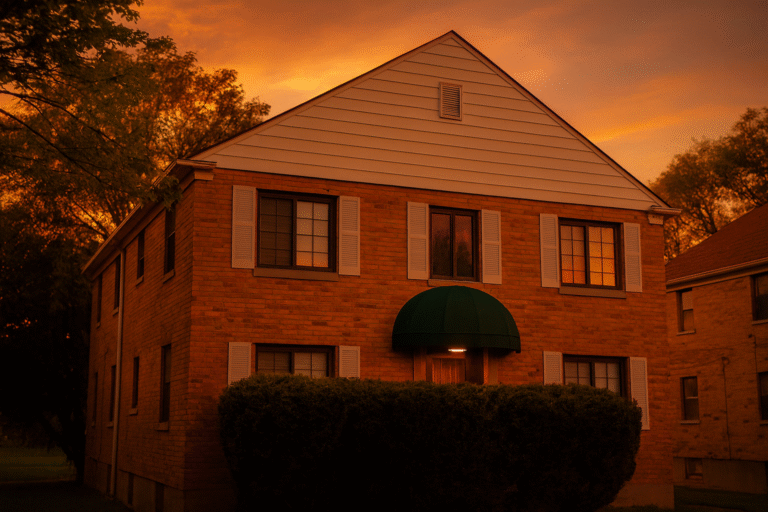
The Oregon District stands out as one of Dayton’s most iconic neighborhoods, a historically designated area dating back to the late 19th and early 20th centuries. The housing stock primarily features ornate Victorian homes built between the 1890s and 1910s. These properties are typically brick or wood-frame constructions with elaborate trim and architectural details reflective of the era. Many have undergone restoration to preserve their historic character, which in turn raises replacement costs significantly compared to more modern builds.
The neighborhood layout is notably urban and dense. Lots are tight, often with limited off-street parking options—a factor that influences both tenant experience and insurance risk. Streets are lined with sidewalks and are highly walkable, facilitating easy access to the district’s many restaurants, boutiques, and nightlife venues. This walkability creates a bustling atmosphere but also increases foot traffic and potential liability exposures for landlords.
The local lifestyle is energetic and social, with a mix of long-term residents, renters, and visitors engaging in the district’s entertainment options. This vibrant environment has made short-term rentals like Airbnb increasingly popular among property owners looking to capitalize on tourist and weekend traffic. However, this popularity also introduces unique liabilities and coverage considerations that differ markedly from standard long-term rental arrangements.
Given these characteristics, landlords in the Oregon District must navigate an insurance environment shaped by historic building values, dense urban settings, and a lively social scene. For a broader understanding of insurance tailored to this neighborhood, consider reviewing our full Oregon District insurance guide.
How the Built Environment in Oregon District Shapes Insurance Risk
The physical attributes of the Oregon District’s built environment have direct implications for insurance risk and coverage needs. To understand why, it’s helpful to walk through several key factors:
Historic Housing Stock and Replacement Costs
The ornate Victorian homes common in the Oregon District often require specialized materials and craftsmanship for repairs or rebuilding. For example, a fire damaging a home’s intricate wood trim or stained-glass windows demands more costly restoration than a comparable loss in a modern suburban house. Insurance policies must reflect these higher replacement costs to avoid underinsurance—a common pitfall for landlords who underestimate the financial exposure of historic properties.
Consider a typical scenario: a water leak in a century-old home causes damage to plaster walls and original hardwood floors. Standard replacement cost estimates based on modern materials will fall short, leaving landlords to cover the gap out of pocket if their policy limits or coverage types do not account for historic restoration expenses.
Urban Density and Parking Constraints
The Oregon District’s tight lot layouts and limited parking amplify certain risks. For instance, tenants and guests may rely heavily on street parking, increasing the chances of vehicle damage or disputes over parking that could escalate to liability claims. Additionally, the close proximity of homes means that incidents such as fires or water leaks can quickly affect neighboring properties, raising the potential for multi-unit claims or lawsuits.
Foot Traffic and Nightlife Activity
The vibrant nightlife draws many pedestrians, often late into the evening. This increases the likelihood of liability claims arising from injuries on rental property premises, such as slips on stairs, falls from porches, or accidents in shared outdoor spaces. Landlords must consider both the physical maintenance of their properties and the adequacy of liability coverage to manage these exposures.
Altogether, the built environment of the Oregon District requires landlords to take a proactive, nuanced approach to insurance. This setting is not well served by generic policies or assumptions. Instead, coverage must be carefully calibrated to the neighborhood’s unique risks and lifestyle factors.
Key Insurance Risks for Landlord & Rental Insurance in Oregon District
Landlord and rental insurance in the Oregon District must address a spectrum of risks that differ from both standard homeowners insurance and from more suburban rental scenarios. Below is a deep dive into the most significant exposures and how they manifest in this neighborhood.
Fire and Water Damage Risks
Older homes with aging electrical and plumbing systems are more prone to fire and water damage. For example, a short circuit in original knob-and-tube wiring or a burst pipe in a century-old cast iron line can lead to costly property damage and extended vacancy. The tight clustering of homes exacerbates risk, as fire or water damage to one unit can spread to adjacent properties.
Landlord policies need to provide robust coverage for fire and water damage, including options for additional perils such as sewer backup or flood, which are often excluded but can be significant in urban neighborhoods.
Liability from Tenant and Guest Injuries
Given the walkable streets and nightlife, landlords face increased liability exposure for injuries occurring on or near their properties. For instance, poorly maintained stairs or railings can result in slip-and-fall claims. Similarly, common areas or shared entryways may be venues for accidents. Liability coverage limits must reflect this heightened risk environment.
Loss of Rental Income (Loss of Rents)
When a property is damaged and temporarily uninhabitable, landlords lose rental income. Oregon District landlords who rely on short-term rental platforms face additional challenges: the high turnover and fluctuating demand mean that downtime can significantly affect cash flow. Loss-of-rents coverage in landlord policies is essential to offset these disruptions and stabilize income streams.
Short-Term Rental-Specific Risks
Airbnb and similar platforms introduce further complexity. Tenant screening is less controlled, and guests may engage in behaviors that increase risk: parties, property misuse, or even intentional damage. Insurance carriers have adapted by offering endorsements or specific short-term rental policies that address these exposures, but gaps remain if landlords rely solely on standard landlord insurance or Airbnb’s host protection.
Preservation and Ordinance Risks
The Oregon District’s strong preservation identity means that property repairs often must comply with historic district regulations, adding expense and complexity. Ordinance or law coverage is critical—it pays for costs associated with bringing a damaged building back to code, which can be substantial for historic homes.
Understanding and quantifying these risks is essential for landlords to choose policies that truly protect their investments in the Oregon District’s unique environment.
How Landlord & Rental Insurance Works in Ohio (And What’s Different in Oregon District)
At its core, landlord and rental insurance protects property owners from financial losses related to rental properties. However, its structure and application differ from standard homeowners insurance and are influenced heavily by local factors like those in the Oregon District.
Core Coverage Components Explained
Typical landlord insurance policies in Ohio include:
- Property Damage Coverage: Protects the physical structure from covered perils like fire, wind, vandalism, and some forms of water damage (often with exclusions).
- Liability Coverage: Provides protection if someone is injured on the rental property and the landlord is found legally responsible.
- Loss of Rental Income: Covers lost rent if the property becomes uninhabitable due to a covered loss.
- Optional Endorsements: Such as equipment breakdown, ordinance or law coverage, and water backup protection.
The intent is to shield landlords from financial hardship caused by property damage, tenant claims, and income interruption.
How Oregon District’s Neighborhood Nuances Affect Coverage
In the Oregon District, the interplay of historic homes, urban density, and a lively social environment demands careful policy customization. For example:
- Higher Replacement Costs: Standard property limits might undervalue historic homes. Policies must be rated to reflect these costs accurately, or landlords risk significant out-of-pocket expenses.
- Enhanced Liability Risk: Given the foot traffic and nightlife, liability limits may need to be higher than typical Ohio minimums to ensure adequate protection.
- Short-Term Rental Considerations: Many insurers treat Airbnb rentals differently due to the increased risk of property damage and liability. Specialized endorsements or separate policies may be necessary.
- Loss of Rents for Short-Term Stays: The fluctuating nature of Airbnb bookings increases income volatility; policies must be structured to cover this effectively.
Additionally, Ohio law requires landlords to maintain certain safety standards, and local preservation ordinances in the Oregon District may impose rebuilding and repair requirements that increase costs beyond typical expectations.
For landlords seeking a detailed framework of landlord and rental insurance in this unique context, our Oregon District homeowners insurance overview is a valuable resource.
Coverage Decisions Oregon District Residents Can’t Afford to Get Wrong
Choosing Adequate Property Coverage Limits
One of the most critical decisions is setting the right limit on property coverage. Underinsuring is a common mistake, especially in the Oregon District where restoration and rebuilding costs for historic homes can soar well above a home’s market value. For example, a Victorian home might sell for $300,000 but require $450,000 or more to rebuild with proper historic materials and craftsmanship.
Landlords should work with insurers who understand these nuances and can conduct a replacement cost valuation rather than relying solely on market price or general estimates.
Liability Coverage: Balancing Risk and Cost
Liability limits should reflect the Oregon District’s elevated risk from foot traffic, nightlife, and short-term rental guests. While some landlords might opt for Ohio’s minimum liability limits, this approach can prove costly after a serious injury claim. Increasing liability limits to $500,000 or $1 million is often prudent, particularly for short-term rental properties.
Loss of Rental Income and Vacancy Considerations
Landlords must decide on the extent of loss-of-rents coverage. Importantly, many policies have limits on the duration of coverage or may exclude losses during vacancy periods. For short-term rentals, where bookings can be irregular, landlords should clarify how vacancy is defined and protected under the policy.
Endorsements for Historic Preservation and Ordinance Coverage
Given the Oregon District’s preservation rules, adding ordinance or law coverage is essential. This pays for costs that arise when rebuilding must comply with current historic preservation codes. Without it, landlords may face substantial uncovered expenses.
Additional endorsements might include water backup coverage, which protects against sewer or drain backups—a risk heightened in older urban infrastructure.
Short-Term Rental and Airbnb-Specific Endorsements
Landlords who rent via Airbnb should verify if their policies cover short-term rentals explicitly or require an endorsement. Some insurers exclude coverage for short-term rentals or limit liability protections, leaving landlords exposed.
Evaluating the interplay between Airbnb host guarantees and your landlord policy is critical to avoid coverage gaps.
Real-World Scenarios From Oregon District Streets and Homes
Scenario 1: Fire in a Victorian Rental with Airbnb Guests
A landlord rents out a restored 1905 Victorian home as an Airbnb. During a weekend stay, a guest accidentally leaves a candle unattended, igniting a fire that damages the first floor extensively. The landlord’s policy includes adequate replacement cost limits and an ordinance or law endorsement.
Outcome: The insurer covers full reconstruction costs according to historic preservation standards, including specialty materials for wood trim and period-accurate siding. Loss-of-rents coverage compensates for three months of vacancy during repairs. Liability coverage addresses minor guest injuries on-site. Without proper coverage, the landlord could have faced out-of-pocket costs exceeding $200,000.
Scenario 2: Water Damage in a Multi-Unit Rental Due to Aging Plumbing
A landlord owns a duplex built in 1910, with tenants occupying both units long-term. A corroded cast iron pipe bursts, flooding both units and damaging walls, flooring, and electrical systems. The landlord’s policy includes water damage coverage but excludes sewer backup.
Outcome: The insurer pays for pipe repair and interior restoration, but the landlord bears costs for damaged appliances and structural repairs stemming from sewer backup effects. Loss-of-rents coverage compensates for one month of vacancy. This highlights the importance of water backup endorsements in older Oregon District properties.
Scenario 3: Liability Claim from Nightlife-Related Injury on Porch
A tenant’s guest falls down unlit stairs on the front porch after an evening at nearby bars. The guest sues the landlord for medical expenses and lost wages. The landlord’s liability limit is $300,000, but the claim exceeds this.
Outcome: The insurer covers up to the policy limit; the landlord is personally responsible for the remainder. This underscores why higher liability limits and proper lighting and maintenance are critical in the Oregon District’s nightlife environment.
Cost, Discounts, and Smart Ways to Control Premiums
Insurance premiums for Oregon District landlords tend to be higher than average due to the unique risks and historic housing stock. However, thoughtful management can optimize coverage and cost.
Balancing Deductibles and Coverage Limits
Opting for a higher deductible can reduce premiums, but landlords must ensure they can cover out-of-pocket expenses in a loss situation. For example, increasing a deductible from $500 to $2,500 might save 10–15% annually but requires careful financial planning.
Implementing Risk Mitigation Measures
Insurance carriers reward landlords who proactively reduce risks. Examples include:
- Installing modern smoke and carbon monoxide detectors
- Upgrading electrical and plumbing systems where feasible
- Ensuring proper lighting and secure railings on stairs and porches
- Using security cameras or controlled access for short-term rentals
Such measures may qualify landlords for discounts or more favorable underwriting terms.
Multi-Property or Portfolio Discounts
Landlords with multiple Oregon District rentals can often obtain discounts by bundling policies or purchasing through a single insurer. Ingram Insurance can analyze your portfolio to identify such savings.
Short-Term Rental Platform Partnerships
Some insurers offer discounts or specialized coverage in partnership with platforms like Airbnb, but landlords should carefully evaluate these offers against their overall insurance needs.
Nearby Neighborhoods and How They Compare
The Oregon District’s insurance landscape can be better understood in comparison to nearby Dayton neighborhoods, which may have differing risk profiles and housing characteristics.
Each neighborhood has its own nuances related to building age, density, and lifestyle, which affect insurance risk and coverage decisions. The Oregon District’s strong historic preservation and nightlife scene make it distinct in its insurance considerations.
When and How to Review Your Policy if You Live or Own Property in Oregon District
Regular policy review is vital for landlords, especially in dynamic neighborhoods like the Oregon District. Consider the following checklist to guide your review process:
- Annually Review Replacement Cost Estimates: Ensure your coverage limits reflect current restoration costs, not just historical valuations.
- Assess Liability Limits: Confirm limits remain adequate as tenant and guest profiles change, especially if you add short-term rentals.
- Check Endorsements and Exclusions: Verify coverage for water backup, ordinance or law, and short-term rental activities.
- Update Property Information: Report any renovations, electrical or plumbing upgrades, or changes in property use to your insurer promptly.
- Evaluate Loss-of-Rents Coverage: Confirm how vacancy and rental interruptions are defined and covered.
Timing your review ahead of policy renewal and after significant property changes or neighborhood developments is best practice. Staying ahead of coverage gaps helps avoid surprises after a loss.
Working With a Local Independent Agent Who Knows Oregon District
Insurance needs in the Oregon District are complex and evolving. Partnering with a local independent agent who understands the neighborhood’s historic homes, urban density, and lifestyle factors can make a significant difference. An experienced agent can tailor your landlord and rental insurance policies to your specific properties and rental strategies, ensuring you are neither underinsured nor overpaying for unnecessary coverage.
Ingram Insurance has deep roots in Dayton and extensive expertise in the Oregon District market. We combine rigorous risk analysis with personalized service to help landlords protect their investments effectively. Whether you’re a first-time landlord or manage a portfolio, our team is ready to walk through your options and provide clear, data-driven recommendations.
For an in-depth discussion tailored to your rental properties, contact us at (937) 741-5100, email contact@insuredbyingram.com, or visit our website.
For additional context on protecting properties in the Oregon District, see our Oregon District homeowners insurance overview.