Do I Need Insurance for My Awesome Storage Unit? A Deep Dive on Storage Insurance & Storage Unit Insurance for 2026.
If you’re renting a storage unit, you may be wondering whether your belongings are actually protected if something goes wrong. Fires, theft, water damage, and storms can all affect storage facilities—and many people are surprised to learn that the facility itself often does not insure what’s inside your unit. This guide explains what storage insurance is, when you need it, what it typically covers, and how to make sure your property is properly protected.
Do I Need Insurance for My Storage Unit?
Storage units are used for everything from household overflow and seasonal items to furniture during a move, business inventory, and valuable personal property. While storage facilities invest heavily in security and maintenance, that does not automatically mean your belongings are insured.
In fact, one of the most common misconceptions is that the storage facility’s insurance covers the contents of each unit. In most cases, it does not. This is where storage insurance becomes important.
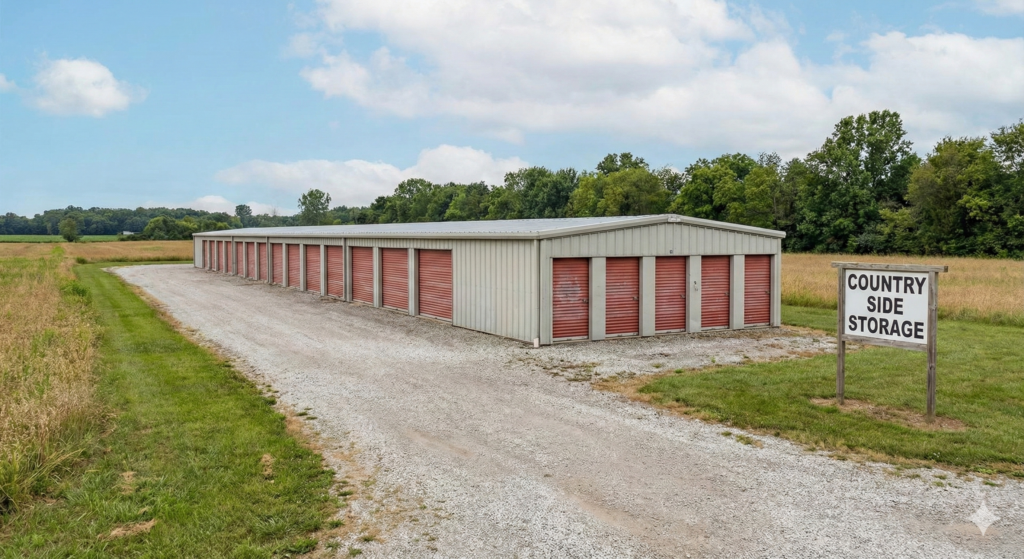
What Is Storage Insurance?
Storage insurance is coverage designed to protect personal or business property stored in a rented storage unit. It provides financial protection if your belongings are damaged, destroyed, or stolen due to covered events.
Storage insurance is not a single standalone product in all cases. Coverage may come from:
• A homeowners insurance policy
• A renters insurance policy
• A business insurance policy (for commercial items)
• A separate storage insurance policy offered through the storage facility
The right option depends on what you’re storing, how long it will be stored, and what type of insurance you already have.
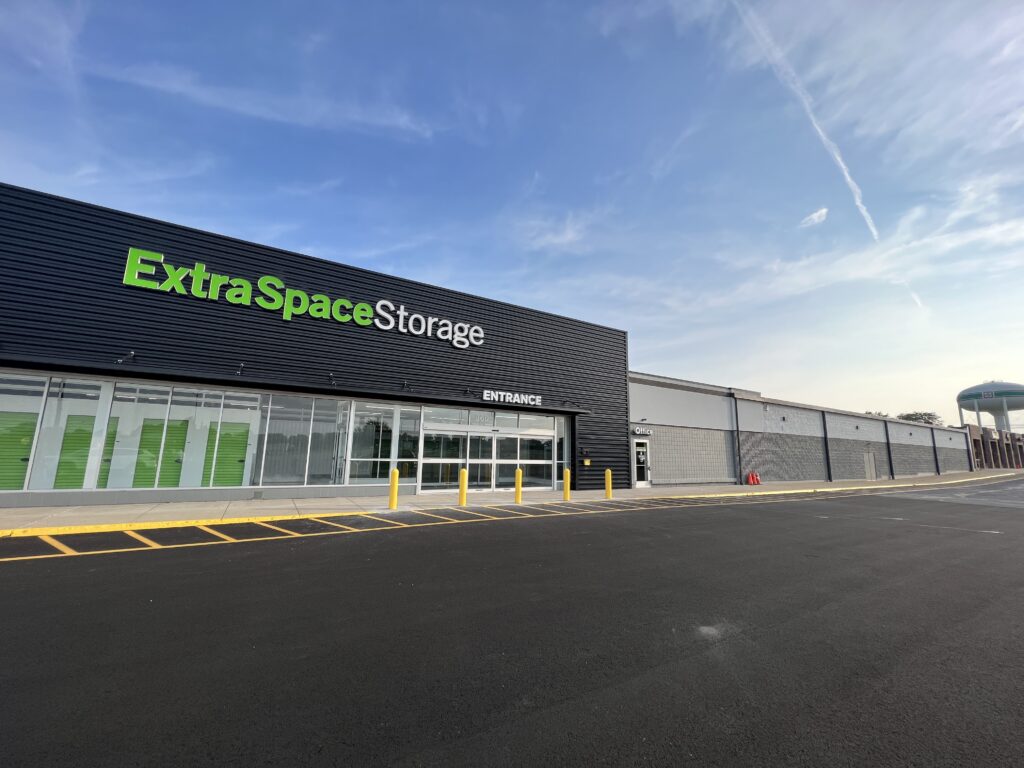
Does the Storage Facility Insure My Belongings?
In most cases, no. Storage facilities typically insure the building itself, not the contents of individual units.
This means:
• The facility’s insurance may cover damage to the structure
• It usually does not cover your personal property inside the unit
• Any coverage requirement in your rental agreement is often your responsibility
Some facilities require proof of storage insurance or offer a protection plan at the time of rental. These plans may provide limited coverage, but they are not always comprehensive.
When Do You Need Storage Insurance?
You likely need storage insurance if you are storing items that would be difficult or expensive to replace.
Common situations where storage insurance makes sense include:
• Storing furniture during a move or renovation
• Keeping household items while downsizing
• Storing tools, equipment, or inventory for a business
• Long-term storage of personal belongings
• Storing items with sentimental or financial value
If the loss of your stored items would create a financial burden, insurance should be part of your storage plan.
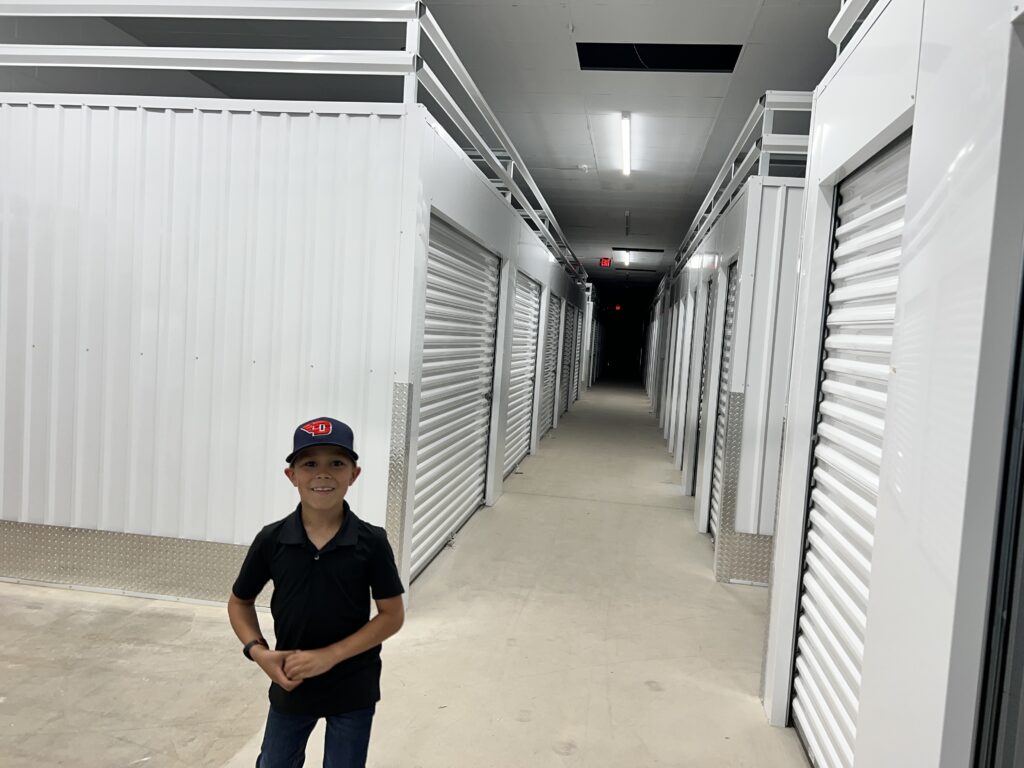
What Storage Insurance Typically Covers
Storage insurance coverage can vary depending on where the policy comes from—such as a homeowners policy, renters policy, business policy, or a standalone storage insurance plan. However, most storage insurance options are designed to protect against sudden, unexpected losses rather than gradual damage.
Below are the most common risks that storage insurance is intended to cover, along with important limitations to understand.
Theft and Vandalism
Theft is one of the most common concerns for people using storage units. If someone breaks into the storage facility or gains access to your individual unit and steals or damages your belongings, storage insurance may help cover the loss.
This can include:
• Forced entry into your storage unit
• Theft of personal property or business items
• Damage caused by vandals during a break-in
While most facilities have gates, cameras, and access controls, no storage facility is completely immune to theft. Insurance serves as a financial backstop when security measures fail.
It’s important to note that coverage may depend on signs of forced entry and compliance with the facility’s security requirements, such as using approved locks.
Fire and Smoke Damage
Fires can occur in storage facilities for many reasons, including electrical malfunctions, improperly stored items in neighboring units, or external events affecting the building.
Storage insurance typically covers damage caused by:
• Fire that damages or destroys stored items
• Smoke damage resulting from a nearby fire
• Heat-related damage caused by fire exposure
Even if flames never reach your unit, smoke and heat can ruin furniture, electronics, clothing, and paper items. Storage insurance helps offset the cost of replacing these belongings.
Water Damage (With Limitations)
Water damage is one of the most misunderstood areas of storage insurance. Some policies provide coverage for water damage caused by sudden, accidental events such as burst pipes, leaking sprinkler systems, or certain plumbing failures within the facility.
However, many storage insurance policies specifically exclude flood damage. Flooding caused by heavy rain, rising groundwater, or surface water may not be covered unless flood insurance or a special endorsement is added.
This distinction is critical, particularly in areas prone to severe storms or flooding. Renters often assume “water damage” is fully covered, only to discover that the cause of the water determines whether the claim is paid.
Understanding how your policy defines water damage can prevent unpleasant surprises after a loss.
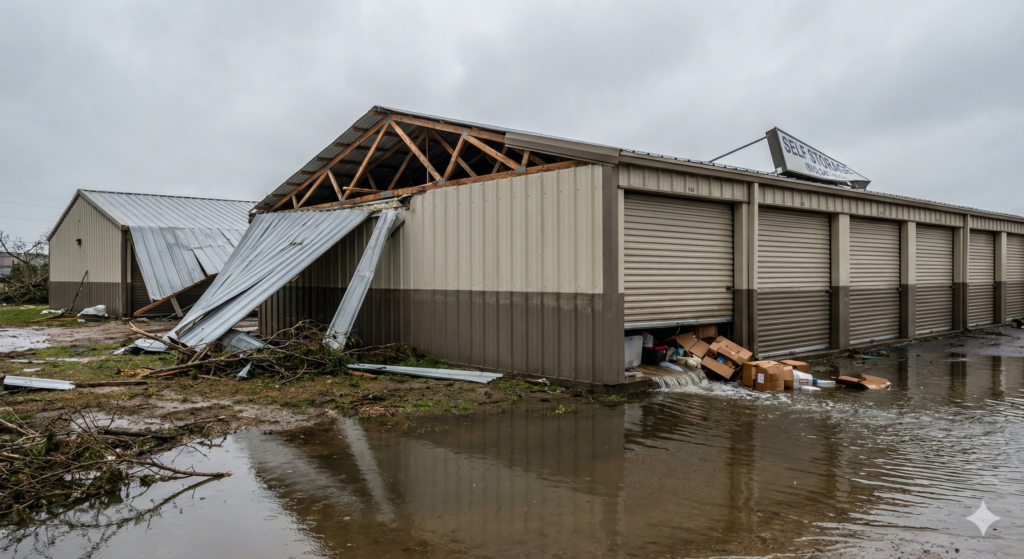
Wind and Storm Damage
Severe weather events such as windstorms, hail, or tornadoes can damage storage facilities, allowing rain, debris, or structural failure to impact stored belongings.
Storage insurance may cover losses resulting from:
• Wind damage that compromises the building
• Roof failure allowing water into units
• Debris entering the unit during a storm
Coverage for storm-related damage depends on the policy terms and may vary by location. In some regions, wind or hail coverage may be limited or subject to higher deductibles.
Because weather-related losses can affect multiple units at once, having adequate storage insurance can make a significant difference in how quickly and fully you recover after a major event.
As with all insurance, reviewing exclusions, limits, and deductibles is essential to understanding what protection you actually have.
What Storage Insurance Usually Does Not Cover
While storage insurance can provide valuable protection, it is not unlimited. Like all insurance policies, it includes exclusions, limits, and conditions that determine when a claim will—or will not—be paid.
Understanding what storage insurance does not cover is just as important as knowing what it does cover. Many denied claims stem from assumptions rather than actual policy language.
Flood Damage (Unless Specifically Endorsed)
One of the most common and costly exclusions in storage insurance is flood damage. Flooding caused by rising groundwater, surface water, or heavy rainfall is typically excluded unless flood coverage is specifically added.
This distinction matters because many people assume that any water damage is treated the same. In reality, insurance policies draw a clear line between water damage caused by internal plumbing failures and flooding caused by external water sources.
If your storage facility is located in a low-lying area or a region prone to heavy storms, flood exclusions should be reviewed carefully.
Mold, Mildew, or Gradual Deterioration
Storage insurance generally does not cover mold, mildew, rust, corrosion, or other forms of gradual deterioration. These issues are considered maintenance-related rather than sudden, accidental losses.
Items stored for long periods—especially in non-climate-controlled units—are particularly vulnerable to humidity-related damage. Insurance typically does not respond to losses that occur slowly over time.
Damage Caused by Insects or Rodents
Damage caused by pests such as rodents, insects, or animals is commonly excluded from storage insurance policies.
This includes chewing, nesting, contamination, or destruction of stored items. While facilities may take pest-control measures, insurance is not designed to cover losses resulting from infestations.
Items Prohibited by the Storage Contract
Storage rental agreements often prohibit certain items, such as flammable materials, perishable goods, hazardous substances, or illegal items.
If a prohibited item is damaged or causes damage to other belongings, insurance coverage may be denied entirely. Insurance policies generally require compliance with the storage facility’s rules and lease terms.
High-Value Items Above Policy Limits
Storage insurance policies often impose sub-limits on high-value items such as:
• Cash or currency
• Jewelry and watches
• Collectibles and memorabilia
• Antiques and fine art
These items may have significantly lower coverage limits unless they are specifically scheduled or insured under a separate policy.
For anyone storing valuable or irreplaceable items, this is one of the most important areas to review before relying on storage insurance.
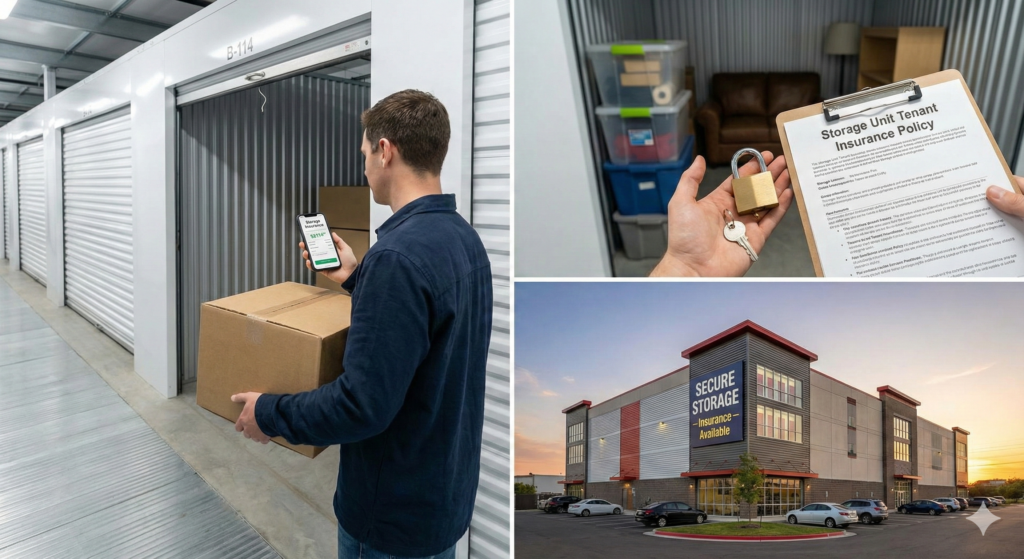
Does Homeowners or Renters Insurance Cover Storage Units?
In many cases, homeowners and renters insurance policies do provide some level of coverage for items stored away from your primary residence. This is known as off-premises personal property coverage.
However, this coverage comes with important limitations that are often misunderstood.
Coverage Limits for Off-Premises Property
Most homeowners and renters policies limit off-premises coverage to a percentage of your total personal property limit—often around 10%.
For example, if your policy provides $100,000 in personal property coverage, only $10,000 may apply to items stored in a storage unit.
If the value of your stored belongings exceeds this limit, you may be underinsured without realizing it.
Reduced or Excluded Coverage for Business Property
Business property stored in a personal storage unit may be subject to lower limits or excluded entirely under standard homeowners or renters policies.
This is especially important for people storing tools, inventory, equipment, or materials related to a side business or self-employment.
Covered Causes of Loss May Be Limited
Some causes of loss that are covered at your residence may not apply to off-premises property. For example, certain types of water damage or theft scenarios may be treated differently when the property is stored elsewhere.
Because of these variations, it is risky to assume your storage unit is fully covered without reviewing your policy details.
What About Storage Unit Insurance Offered by the Facility?
Many storage facilities offer their own insurance or “tenant protection” plans as part of the rental process. These plans are often convenient and easy to add, but they may have significant limitations.
Potential Limitations of Facility-Offered Plans
While facility-offered storage insurance may meet minimum requirements, potential drawbacks include:
• Lower overall coverage limits
• Fewer covered causes of loss
• Exclusions for certain item types
• Limited or no coverage for high-value items
In addition, these plans typically operate independently of your broader insurance coverage. They are not designed to coordinate with your homeowners, renters, or business insurance policies.
For short-term storage of low-value items, facility-offered insurance may be adequate. For long-term storage or valuable belongings, it often falls short.
How Much Does Storage Insurance Cost?
The cost of storage insurance varies based on several factors, including:
• The total value of the items being stored
• Whether coverage is personal or business-related
• The type of policy providing the coverage
• Coverage limits and deductibles selected
In many situations, extending coverage through an existing homeowners or renters policy is more cost-effective than purchasing a standalone storage insurance plan.
However, this approach only works if the existing policy provides sufficient limits and appropriate coverage for the items being stored.
How to Make Sure Your Storage Unit Is Properly Insured
Before assuming your belongings are protected, take the following steps to confirm your coverage:
• Review your homeowners or renters insurance policy
• Ask about off-premises personal property limits
• Confirm coverage for business-related items
• Identify exclusions related to water and flood damage
• Evaluate whether high-value items require special coverage
• Compare facility-offered plans to your existing coverage
An insurance review can quickly identify coverage gaps and help you avoid unpleasant surprises after a loss.
When it comes to storage insurance, clarity matters more than assumptions. Understanding how your coverage works before a claim occurs is the best way to protect your belongings and your finances.
Final Thoughts: Is Storage Insurance Worth It?
If you’re storing items you can’t easily replace, storage insurance is usually worth the cost. While storage facilities are designed to be secure, unexpected losses do happen—and responsibility for those losses often falls on the renter.
Understanding your coverage options helps ensure that your belongings are protected whether they’re in your home, in transit, or sitting in a storage unit.
If you want help reviewing your coverage or understanding how storage insurance fits into your existing policy, you can start here: Insurance Policy Review – Ingram Insurance.
Talk to Ingram Insurance
Ingram Insurance (Dayton, Ohio)
733 Salem Ave, Dayton, OH
Phone: (937) 741-5100
Email: contact@insuredbyingram.com
Website: www.insuredbyingram.com
Storage Insurance FAQ
1. Do I really need insurance for my storage unit?
In most cases, yes. Storage facilities typically insure the building, not the contents of individual units. If your belongings are damaged, stolen, or destroyed, you are usually responsible unless you have storage insurance.
2. Does the storage facility’s insurance cover my belongings?
Generally, no. The facility’s insurance usually covers the structure itself, not your personal or business property inside the unit.
3. Is storage insurance required?
Some storage facilities require renters to carry insurance or purchase a protection plan as part of the rental agreement. Even when it’s not required, insurance is strongly recommended.
4. What is storage insurance?
Storage insurance protects personal or business property stored in a rented storage unit against covered losses such as theft, fire, or certain types of water damage.
5. Does homeowners insurance cover items in a storage unit?
Often yes, but with limits. Most homeowners policies provide off-premises coverage, usually capped at a percentage of your total personal property limit.
6. Does renters insurance cover storage units?
Yes, many renters insurance policies include off-premises personal property coverage, but limits and exclusions still apply.
7. How much coverage do I get for off-premises property?
Coverage is commonly limited to around 10% of your personal property limit, though this can vary by policy.
8. Is business property covered in a storage unit?
Business property stored in a personal storage unit may have reduced limits or be excluded entirely under homeowners or renters insurance.
9. What types of losses does storage insurance usually cover?
Storage insurance commonly covers theft, vandalism, fire, smoke damage, and certain types of water or storm damage, depending on the policy.
10. Does storage insurance cover flood damage?
Usually not. Flood damage is typically excluded unless flood coverage or a specific endorsement is added.
11. Are mold and mildew covered?
No. Mold, mildew, rust, and gradual deterioration are usually excluded because they are considered maintenance-related issues.
12. Are insects or rodents covered?
Damage caused by insects, rodents, or animals is typically excluded from storage insurance policies.
13. Are high-value items like jewelry covered?
High-value items such as jewelry, cash, collectibles, and antiques often have lower coverage limits unless they are specifically scheduled.
14. Does storage insurance cover tools or equipment?
It may, but tools and equipment used for business purposes often require separate coverage or a business insurance policy.
15. What happens if my storage unit is broken into?
If theft or vandalism occurs and the cause of loss is covered, storage insurance may help pay to replace or repair the stolen or damaged items.
16. Does storage insurance cover damage caused by storms?
Storm-related damage such as wind or hail may be covered, but coverage depends on the policy and location. Some regions have limitations or higher deductibles.
17. Is insurance offered by the storage facility enough?
Facility-offered plans are often limited. They may be sufficient for low-value items but are frequently inadequate for long-term or high-value storage.
18. How much does storage insurance cost?
Costs depend on the value of stored items and the type of policy used. Extending coverage through an existing homeowners or renters policy is often the most affordable option.
19. Can I insure a storage unit for short-term use?
Yes. Storage insurance can apply whether items are stored short-term during a move or long-term.
20. How do I know if my storage unit is fully insured?
The best way is to review your existing policy, confirm off-premises limits and exclusions, and compare coverage to the value of your stored belongings.
Related Reading from Ingram Insurance
Additional Ohio insurance resources and local guides that may be helpful.
Show more related articles
Homeowners Insurance (Ohio & Dayton)
- Dayton Homeowners Insurance
- Washington Township Homeowners Insurance
- Understanding Home Insurance Coverage in Ohio
- Roof Age and Insurance Coverage in Ohio
- Winterizing Your Home in Ohio
- Hidden Cost Drivers in Homeowners Insurance
- Water Damage vs Flooding
- Tornado Season in Ohio
Auto Insurance & Claims
- Montgomery County Auto Insurance Guide
- Why Ohio Auto Rates Are Rising
- Teen Drivers in Ohio
- Most Dangerous Roads in Dayton
- Auto Insurance in Belmont (Dayton)
Landlords & Rental Properties
- Rental Property Insurance for Dayton Landlords
- Understanding Loss of Rents Coverage
- Vacant Homes in Dayton
- The 15-Year Roof Rule (Ohio)
- Wolf Creek Landlord Insurance
Contractors & Business Insurance
- Ohio Contractor Insurance Guide
- Ohio HVAC Insurance
- Insurance for Plumbers
- Tree Service & Arborist Insurance
- Church Insurance in Ohio