The Unfortunate Hidden Cost of Old Electrical Systems in Ohio Homes
The Hidden Cost of Old Electrical Systems in Ohio Homes
Ohio’s housing stock is some of the oldest in the Midwest. Neighborhoods across Dayton, Cincinnati, Cleveland, Toledo, and Columbus are filled with beautiful craftsman, brick foursquares, Victorians, pre-war bungalows, and post-war ranch homes—many built long before modern electrical standards. While these homes offer character, charm, and architectural detail, they also contain aging electrical systems that pose real safety hazards and create major insurance challenges. This comprehensive guide breaks down the electrical risks hiding inside older Ohio homes, what insurance companies look for, how these systems affect premiums, and what homeowners can do to stay both safe and insurable.
If your home has knob-and-tube wiring, a fuse box, aluminum branch wiring, cloth-wrapped conductors, or outdated service panels, this article explains exactly what you need to know—and where to get help.
Why Old Electrical Systems Are So Common in Ohio
Ohio saw massive development from the late 1800s through the 1950s. Much of Dayton, Cleveland Heights, Lakewood, Cincinnati’s west side, Old North Columbus, and Toledo’s core neighborhoods were built long before the electrical demands of modern life.
These homes were designed for a world with:
• No air conditioning
* No microwaves
* No hair dryers
* No electric vehicle chargers
* No modern computer equipment
* Very few appliances
As a result, the original wiring in many Ohio homes is now severely outdated. Some systems are unsafe; others are simply overloaded; many create underwriting red flags for insurance carriers.
Insurance Companies and Old Electrical Systems
Electrical issues are one of the top causes of house fires in Ohio—especially in older urban neighborhoods. Because of this, insurance companies are extremely strict when underwriting homes with outdated or unsafe wiring.
Most carriers will either:
• Decline the home
* Require repairs before issuing a policy
* Price the policy significantly higher
* Exclude certain losses
* Require proof of panel updates or licensed electrical inspections
Understanding what’s in your walls—and how insurers view it—is essential for maintaining coverage.
Knob-and-Tube Wiring: The Most Common Deal Breaker
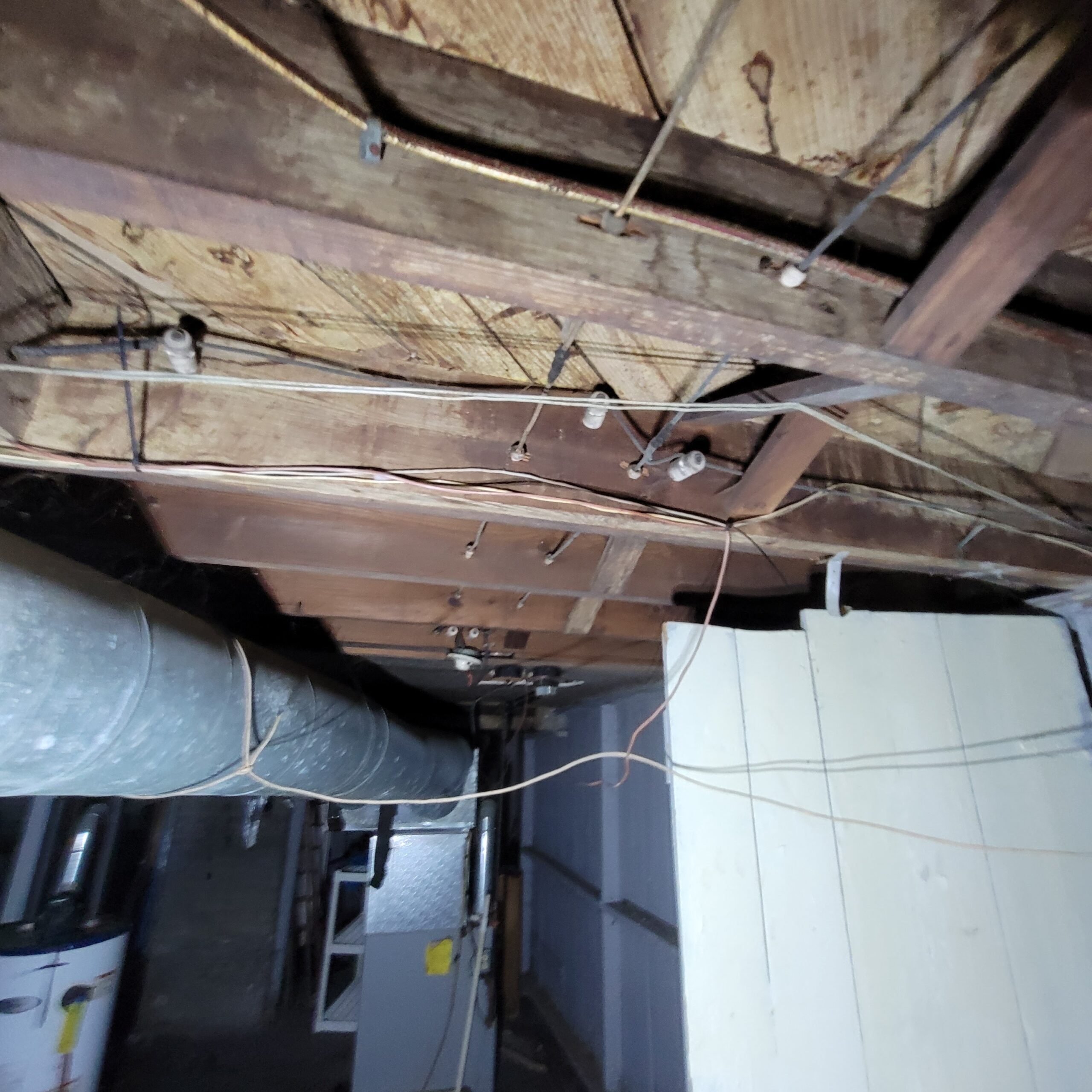
Knob-and-tube wiring (K&T) was standard from the 1880s to the 1940s. While not inherently dangerous when installed correctly, it is almost always considered high risk today because of insulation breakdown, exposed solder joints, splicing, and decades of modifications.
Most insurance companies in Ohio will not insure homes with active knob-and-tube unless:
• It is fully isolated
* It has been inspected by a licensed electrician
* A replacement plan is underway
To learn more about how carriers treat K&T, see our full guide here: Knob and Tube Wiring in Ohio.
Why Insurance Companies Dislike K&T
Knob-and-tube wiring (K&T) is one of the most significant underwriting red flags in Ohio. Even when electricians say it can be safe “if untouched,” insurers view it as a severe and unpredictable fire risk. The issue is not just the age of the wiring—it’s how the system interacts with modern electrical demands, insulation practices, and decades of homeowner modifications. Below are the key reasons nearly all insurance carriers decline homes with active knob-and-tube wiring.
No Grounding
K&T wiring was installed long before grounding became standard. Without a grounding conductor, there’s no safe path for electrical faults. This increases the likelihood of:
• Appliance damage
* Electrical shocks
* Arcing inside walls
* Fire ignition when faults occur
Insurers know that homes without grounding are statistically more likely to experience severe losses—especially when modern electronics and appliances overload ungrounded circuits.
Brittle Insulation
The cloth and rubber insulation surrounding K&T wiring becomes brittle over time. In Ohio’s climate—where attics reach extreme temperatures in summer and freeze in winter—the insulation dries out, flakes, cracks, and falls away. This exposes bare copper conductors, creating ignition risks in attics, crawlspaces, and wall cavities.
Improper DIY Splicing Over Decades
Nearly all knob-and-tube wiring in Ohio has been modified repeatedly. Homeowners added fixtures, tapped into circuits, extended branches, or “repaired” sections using tape or wire nuts. These DIY splices are often:
• Hidden behind plaster
* Not enclosed in proper junction boxes
* Poorly connected
* Overloaded beyond design limits
Insurance companies know these unseen modifications are among the most dangerous aspects of K&T systems.
Overheating from Modern Appliances
K&T wiring was designed for a world with only a few lights and maybe a radio—not microwaves, space heaters, computers, air conditioners, or high-wattage kitchen appliances. Modern electrical loads cause:
• Overheating inside walls
* Breakdowns in insulation
* Loose connections at terminal points
* Thermal expansion leading to arcing
The system simply was never engineered for today’s amperage needs, and insurers account for that risk.
Risk of Rodent, Attic, and Basement Damage
Because K&T is often run through accessible spaces (attics, crawlspaces, basements), it is highly vulnerable to:
• Rodent chewing
* Moisture exposure
* Physical abrasion
* Contact with stored materials
When insulation is compromised in these areas, wiring becomes hazardous quickly—an issue insurers often discover during inspections.
Inability to Support Today’s Load Demands
K&T circuits typically serve multiple rooms on a single 15-amp circuit. Modern homes need multiple dedicated circuits for appliances, HVAC, and electronics. K&T homes often experience:
• Frequent blown fuses (if still tied to a fuse box)
* Breaker trips
* Dim or flickering lights
* Hot switch plates
* Overloaded multi-outlet adapters
From an insurer’s perspective, these symptoms indicate systems that are overwhelmed and prone to fire.
Insulation Burial Issues
One of the biggest modern problems is that many old Ohio homes have had attic insulation added on top of knob-and-tube wiring. K&T MUST remain free-air cooled; burying it in insulation traps heat and dramatically increases fire risk.
Insurers assume this risk is present unless explicitly proven otherwise—and often decline coverage immediately.
Century-Old Wiring With Unknown History
Even “intact” knob-and-tube wiring is 80–140 years old. Carriers take a conservative approach: they cannot assess the full history of the wiring or guarantee its safety. The potential for hidden splices, insulation deterioration, and overloaded circuits makes underwriting unpredictable.
The Bottom Line for Insurers
Even if electricians claim your knob-and-tube is “in good shape,” insurers almost never overlook it because:
• The system is obsolete
* Failures are catastrophic, not minor
* Risk cannot be reliably assessed
* Most fire claims involving K&T result in severe damages
For this reason, knob-and-tube wiring remains one of the most common causes of insurance denials, required updates, or premium surcharges in Ohio’s older housing markets.
Fuse Boxes: A Major Red Flag for Underwriters
Fuse Boxes: A Major Red Flag for Underwriters
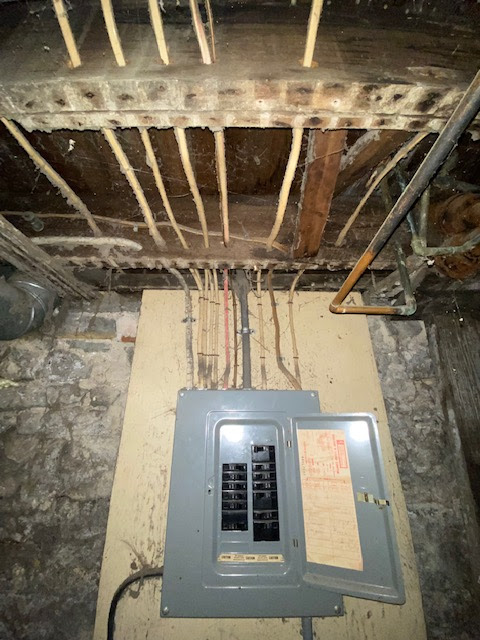
Fuse boxes were the standard electrical distribution system in Ohio homes until the 1960s. While fuses themselves can function safely when properly sized and maintained, the reality is that most fuse panels found in older Ohio homes have undergone decades of questionable modifications. These panels were never designed to handle today’s electrical load demands, and over time they’ve frequently been altered, overloaded, or patched together by homeowners attempting to avoid the cost of proper upgrades. This combination makes fuse boxes one of the biggest electrical red flags for insurance carriers.
Many fuse panels in Dayton, Columbus, Cleveland, and Cincinnati date back 60–90 years. During that time, multiple homeowners, handymen, or unlicensed electricians may have added circuits, changed fuse ratings, or attempted makeshift repairs. From an insurance perspective, this creates a high level of unpredictability and significantly elevated fire risk.
Why Fuse Boxes Concern Insurance Companies
At a technical level, fuses protect circuits by burning out when amperage exceeds safe limits. But they rely heavily on correct sizing and manual replacement—two things insurers know often go wrong. Even a perfectly installed fuse box from the 1950s becomes unsafe when paired with modern appliances, portable heaters, window AC units, or kitchen upgrades. The system is simply outdated for today’s usage patterns.
In addition, fuse boxes lack the safety features built into modern breaker panels, such as:
• Arc-fault protection (AFCI)
* Ground-fault protection (GFCI)
* Surge resistance
* Clear labeling and circuit isolation
* Proper grounding and bonding
Without these safeguards, fuse-box homes are significantly more vulnerable to overheating, electrical faults, and fires—especially in Ohio’s older housing stock where insulation, wiring, and circuits are often just as outdated as the panel itself.
Common Fuse-Box Problems
Most fuse panels in Ohio exhibit at least one of the following issues—often several at the same time:
1. Double-Tapped Circuits
Homeowners sometimes add two wires to a single fuse lug, which was never allowed by code. This creates loose connections, arcing, and overheating inside the panel—one of the leading causes of fuse-box fires.
2. Oversized Fuses Causing Overheating
A common DIY “solution” to frequent blown fuses is to install a larger fuse (for example, a 30-amp fuse on a 15-amp circuit). This prevents the fuse from blowing—but allows wires in the walls to overheat to dangerous levels. Insurers view oversized fuses as a major fire hazard because they effectively negate all circuit protection.
3. Ungrounded Circuits
Homes that still rely on fuse boxes often have two-prong, ungrounded circuits. Without a ground path, faults cannot safely dissipate, increasing shock and fire risk. Modern electronics and appliances also require grounding to function safely.
4. Cloth Wiring Feeding the Fuse Panel
Cloth-wrapped wiring from the 1930s–1950s commonly connects directly into fuse boxes. Cloth insulation becomes brittle, flakes off, and exposes conductors—especially in attics and basements. When this old wiring meets an outdated panel, the fire risk compounds.
5. No Room for Expansion
Many fuse boxes only support four to eight circuits. Modern homes require far more—especially with air conditioning, dishwashers, garbage disposals, microwaves, electric dryers, and entertainment systems. Homeowners often overload existing circuits instead of adding new ones, creating excessive heat and unsafe load sharing.
6. Panels Not Compliant with Current Electrical Code
Even if a fuse panel appears to be in good condition, it cannot meet modern Ohio electrical code requirements. Lack of AFCI protection alone disqualifies fuse boxes from meeting current standards. Insurers consider this a structural defect that increases risk.
Real-World Example from Ohio Housing
In older Dayton neighborhoods such as Grafton Hill, Oregon District, South Park, and Five Oaks—as well as historic areas of Cincinnati, Cleveland Heights, and Toledo—many homes still have legacy fuse panels. These properties frequently fail insurance inspections due to improper fuses, deteriorated wiring, or unsafe modifications. Even if the homeowner has “never had a problem,” insurers evaluate the likelihood of future losses, not historical performance.
How Insurers Typically Handle Fuse Boxes
Insurers fall into three categories:
1. Carriers That Decline Fuse Boxes Entirely
Many national carriers will not insure a home with a fuse box under any circumstances.
2. Carriers That Allow Fuse Boxes with Conditions
Some insurers will accept a fuse panel only if:
• A licensed electrician confirms the system is safe
* No oversized fuses are present
* Cloth wiring is not active
* The panel is not overloaded
3. Carriers That Require Replacement Within 30–60 Days
This is the most common scenario. The company binds the policy contingent on panel replacement—meaning the homeowner must upgrade to a modern breaker panel shortly after closing or before renewal.
Even carriers willing to insure fuse-box homes price them higher due to the increased likelihood of fire claims.
The Bottom Line
Fuse boxes are not inherently unsafe—but the surrounding system almost always is. Decades of homeowner modifications, outdated wiring, and modern load demands make fuse panels one of the riskiest electrical systems for insurers. Replacing a fuse box with a modern breaker panel is one of the most cost-effective ways to reduce fire risk, improve insurability, and increase the value of an older Ohio home.
Cloth Wiring: Hidden Danger Behind Older Ohio Walls
Cloth-insulated wiring (also called “rag wire” or “woven sheath wire”) was used from the 1920s through the 1960s. Over time, the cloth dries, crumbles, and exposes copper, especially in attics and basements.
Homeowners rarely know they have cloth wiring until a home inspection or insurance carrier flags it.
Insurance Concerns with Cloth Wiring
• High fire risk
* Poor heat resistance
* Brittle insulation
* Often paired with outdated panels
Some insurers allow cloth wiring with proof of inspection. Others decline outright.
Aluminum Wiring: The Quiet Threat in 1960s–1970s Homes
Between 1965 and 1973, many homes across Ohio—especially in suburban developments—were built with aluminum branch wiring. Aluminum expands and contracts more than copper, leading to loose connections, overheating, and fire risk.
Warning Signs Ohio Insurers Look For
• Aluminum wiring connected to outlets or switches
* Warm outlet plates
* Flickering lights
* Scorch marks around receptacles
Many carriers require:
• COPALUM crimps
* Proper aluminum-to-copper connectors
* Replacement of affected branch circuits
Homes with untreated aluminum wiring may be declined entirely.
Old Electrical Panels: Zinsco, Federal Pacific, Bulldog Pushmatic & More
Some electrical panels found in older Ohio homes present risks so severe that insurance companies decline them immediately, regardless of the home’s condition. These “problem panels” have well-documented safety defects that dramatically increase the likelihood of fires, electrical failures, and catastrophic losses. Many homes built from the 1940s through the 1980s in Dayton, Cincinnati, Cleveland, Toledo, and Columbus still contain these panels, making them a major concern for both homeowners and insurers.
Unlike fuse boxes—which can be safe if properly maintained—these specific panel brands have inherent manufacturing flaws. Decades of testing, federal investigations, engineering studies, and fire-loss data have shown that these panels frequently fail to trip during overload conditions. When a breaker fails to shut off an overloaded circuit, wiring overheats silently, often igniting inside walls and causing severe structural damage.
Major Red-Flag Brands Found in Ohio Homes
Federal Pacific Electric (FPE) Stab-Lok Panels
FPE Stab-Lok panels are universally considered one of the most dangerous residential electrical panels ever produced. Multiple independent studies—including testing by the U.S. Consumer Product Safety Commission—showed that up to 60%–90% of FPE breakers fail to trip in overload conditions. Some breakers are also known to “jam” in the ON position.
Common issues include:
* Breakers falling out of the bus bar
* Breakers remaining energized even when switched off
* Overheating behind the panel
* Melted bus bars
* Loose breaker-to-bus connections creating arc faults
Many Ohio insurers have a blanket rule: No FPE panels, under any circumstances.
Zinsco / Sylvania-Zinsco Panels
Zinsco panels were popular from the 1950s through the 1970s. They are notorious for loose connections between breakers and bus bars. Over time, breakers fuse to the bus, meaning they cannot open during a fault. Because the metal alloy used in Zinsco bus bars degrades under heat, these panels often experience:
* Melting and burn-throughs
* Power fluctuations
* Breakers that appear OFF but remain energized
* Overheated aluminum bus bars
In many Dayton and Columbus mid-century neighborhoods, Zinsco panels are still found in ranch homes built between 1955 and 1975. Insurers often require immediate replacement because these panels pose a hidden, unpredictable fire hazard.
Challenger Panels
Challenger panels were installed widely in the 1980s and early 1990s—especially in suburban developments in Beavercreek, Hilliard, Dublin, Mason, Kettering, and West Chester. A defective line of Challenger breakers (often labeled “C-H” or “Challenger Electric”) were recalled due to overheating risks. These panels can produce high resistance at connections, causing breakers to overheat without tripping.
Common problems include:
* Breakers that loosen over time
* Frequent warm spots on panel surfaces
* Buzzing or humming under load
* Overheated bus bars leading to arc faults
Insurance carriers often allow Challenger panels only if a licensed electrician confirms that safe, compatible breakers are installed—which is increasingly difficult due to discontinued models.
Bulldog Pushmatic Panels
Pushmatic panels were installed between the 1940s and 1960s. These panels use a unique push-button breaker mechanism that tends to stick, jam, or fail to respond to overloads due to age and mechanical wear. Pushmatic systems are also known for lacking a main breaker, which means there is no simple way to shut off power to the entire panel in an emergency.
Issues insurers worry about include:
* Breakers that stop “pushing” due to mechanical failure
* Limited replacement parts
* No main shutoff switch
* Panels unable to handle modern electrical loads
Although not as dangerous as FPE or Zinsco, most insurers still require Bulldog Pushmatic panels to be replaced within 30–60 days of binding a policy.
Why These Panels Are Automatic Red Flags for Insurers
Insurance companies evaluate fire risk using actuarial loss data and engineering assessments. These problem panels consistently show elevated rates of:
• Electrical fires
* Overheating events
* Breaker malfunctions
* Total-loss house fires
* Burn damage near service panels
* Failure to protect circuits during surges
Even one failed breaker can result in tens or hundreds of thousands of dollars in damage. This makes the risk unacceptable for most carriers—especially in older Ohio neighborhoods where electrical systems may already be stressed by age, insulation breakdown, or inadequate grounding.
How Insurers Typically Respond
Most insurance companies in Ohio take a strict position on these panels:
1. Immediate Decline
Many top carriers refuse to insure any home with FPE Stab-Lok or Zinsco panels.
2. Conditional Acceptance
Some carriers will bind coverage if the homeowner replaces the panel within a 30–60 day window. This is common during home purchases.
3. Required Electrician Certification
A smaller number of insurers may allow Challenger or Pushmatic panels only with a licensed electrician’s clearance.
By comparison, modern breaker panels reduce risk so dramatically that many insurers offer better rates and more carrier options for homes with updated systems.
The Bottom Line
Certain electrical panels are so dangerous that insurers categorize them as “unacceptable risks.” If your Ohio home has one of these systems, replacing it is not just recommended—it is often required for safe occupancy, future resale, and the ability to obtain affordable homeowners insurance.
How Old Electrical Systems Affect Insurance Premiums
Once an insurer identifies that a home has outdated wiring or electrical components, premiums may increase due to:
• Increased fire risk
* Higher likelihood of claims
* Older homes requiring more rebuild cost
Even if the home has replacement wiring in some rooms, partial updates still signal elevated risk.
Your Premium May Increase If Your Home Has:
• A fuse panel
* Active knob-and-tube
* Aluminum branch circuits
* Cloth wiring
* Outdated, recalled panels
* Ungrounded receptacles
Carriers value modern safety standards, and anything falling outside those standards raises red flags.
How to Know What’s Inside Your Walls
Many Ohio homeowners are shocked to learn they have unsafe wiring—especially if their home has been cosmetically updated.
To identify old electrical systems, you may need:
• A home inspection
* An electrical service panel evaluation
* A licensed electrician’s audit
If you’re unsure where to start, the Dayton Report’s local directory lists reputable electricians under “Home Services”:
https://daytonreport.com/business/category/home-services/
Real Examples of Ohio Neighborhoods with Electrical Risks
Dayton
South Park, Grafton Hill, Five Oaks, St. Anne’s Hill, and Oregon District homes often contain K&T, cloth wiring, and mixed-upgrade electrical systems.
Columbus
Clintonville, Old Towne East, German Village, and Franklinton have many pre-war homes with fuse boxes and cloth wiring.
Cleveland
Lakewood, Cleveland Heights, and Shaker homes frequently test positive for K&T or aluminum.
Cincinnati
Northside, Price Hill, Westwood, and Pleasant Ridge have housing stock dating back to the early 1900s.
Toledo
Old West End and Ottawa areas are known for beautiful older homes with outdated electrical systems.
What Insurance Companies Want to See
If your home has outdated wiring, insurers may still approve it if you provide:
1. Proof of Electrical Updates
Photos of panels, outlets, grounding upgrades, or replaced circuits.
2. A Licensed Electrician’s Statement
A written statement confirming the home’s wiring is safe and functional goes a long way.
3. A Plan for Replacement
Some carriers allow 30–90 days for homeowners to replace unsafe wiring.
4. Removal of Problem Panels
Replacing an FPE or Zinsco panel often instantly opens up more carrier options.
Signs Your Wiring Needs Immediate Attention
Homeowners should always take the following seriously:
• Frequent breaker trips
* Dimming lights
* Crackling or buzzing sounds
* Warm outlets
* Scorched receptacle covers
* Bulbs burning out too often
* Two-prong outlets with no ground
These issues imply major risk—and insurers know it.
Replacing Old Wiring: What Ohio Homeowners Should Expect
Rewiring a home is an investment, but it dramatically improves safety, resale value, and insurability.
Cost Range in Ohio
• Small homes: $6,000–$12,000
* Medium homes: $10,000–$18,000
* Large or historic homes: $15,000–$35,000+
Costs vary based on:
• Wall access
* Attic/basement access
* Plaster vs. drywall
* Distance to panel
* Panel upgrade needs
Electrical Systems in Ohio Homes: Electrical Contractors in the Dayton Area
If you need an electrician in the Dayton region, check the Dayton Report’s vetted local list: Dayton Home Services Directory.
Why Working With an Independent Agency Matters
Every insurer views old electrical systems differently. Some decline them immediately; others will insure with proof of repair. As an independent agency, Ingram Insurance matches your home with the right carrier, ensuring you get the best combination of price and coverage—without compromising safety.
Get a Personalized Review of Your Ohio Home
Whether you live in a 1920s brick home in Dayton or a mid-century ranch in Columbus, we can help you navigate insurance challenges related to older electrical systems. Contact Ingram Insurance for a no-pressure review and expert guidance.
Ingram Insurance
Phone: (937) 741-5100
Email: contact@insuredbyingram.com
Website: www.insuredbyingram.com