Flood & Water Damage Concerns for Homes in Lakeview, Dayton | 4 Things You Absolutely Must Know Before it’s Too Late
Residents and property owners in Lakeview, Dayton encounter distinct challenges related to protecting their homes from flood and water damage. This neighborhood, known for its tree-lined streets featuring mid-century ranches and split-level homes, offers a serene and established community atmosphere. However, its inherent charm also brings specific vulnerabilities—especially those arising from storm-related events and aging infrastructure. A comprehensive understanding of home insurance mechanisms, combined with awareness of Lakeview’s particular environmental and structural risks, is crucial for homeowners aiming to safeguard their property investments effectively. This thorough guide delves into these complexities, providing data-driven insights and leveraging local expertise to assist Lakeview homeowners in managing flood and water damage risks with confidence and precision.

Flood & Water Damage Concerns for Homes in Lakeview, Dayton
Meet Lakeview, Dayton Ohio
Lakeview is a mature, well-established neighborhood notable for its mid-20th century housing stock, predominantly comprising ranch-style and split-level homes constructed between the 1940s and 1960s. These homes typically exhibit a combination of brick facades, traditional wood framing, and periodically updated siding materials, reflecting both the architectural trends of the era and ongoing maintenance undertaken by residents. The neighborhood’s streets are scenic, adorned with mature deciduous trees that not only enhance aesthetic appeal but also contribute to environmental factors affecting home vulnerability.
The lifestyle in Lakeview is characterized by quiet, residential living, attracting families and professionals who appreciate proximity to natural green spaces such as Eastern Hills and Wright View. Detached garages are common throughout the neighborhood, indicative of its suburban character and providing valuable additional storage or parking space. Despite the neighborhood’s tranquility, it is subject to typical Midwestern weather patterns, including occasional strong winds and seasonal storm events that pose challenges to the structural integrity of homes as well as their mechanical systems.
These defining characteristics directly influence the spectrum of home insurance concerns that Lakeview property owners must prioritize. For homeowners seeking a more comprehensive understanding of these risks and their insurance implications, our full Lakeview insurance guide offers detailed context and analysis tailored to this unique community.
How the Built Environment in Lakeview Shapes Insurance Risk
The physical environment and architectural features of Lakeview significantly shape the insurance risk profile for homeowners. Many properties possess mechanical systems—including plumbing, electrical wiring, and HVAC—that are either approaching or have surpassed their expected useful lifespans. The mid-century construction of these homes often means the presence of original or early-generation materials that may fall short of current building codes or modern durability standards, introducing elevated risk for water-related failures.
For instance, galvanized steel plumbing systems, commonly installed in the 1940s and 1950s, are prone to internal corrosion over decades, which substantially increases the likelihood of leaks or pipe bursts. Such degradation is typically gradual but can culminate in significant water damage that is both costly and disruptive to homeowners. Insurance underwriters recognize these vulnerabilities and often require documentation of recent system updates; in the absence of such maintenance, insurers may impose higher premiums or specific coverage limitations.
The mature tree canopy lining Lakeview’s streets, while integral to the neighborhood’s character, introduces additional hazards. Moderate tree density coupled with seasonal windstorms can lead to fallen limbs or entire trees damaging roofs, siding, or detached garages. Such storm-induced damage frequently results in secondary water intrusion, such as rain entering through broken windows or compromised roofing materials, thus exacerbating the severity of the loss.
Detached garages, prevalent in Lakeview, represent separate structures requiring explicit insurance coverage. These outbuildings often house vehicles, equipment, or stored belongings susceptible to water infiltration and flood risk. Furthermore, the relative elevation and drainage patterns surrounding these garages can influence their exposure to localized flooding.
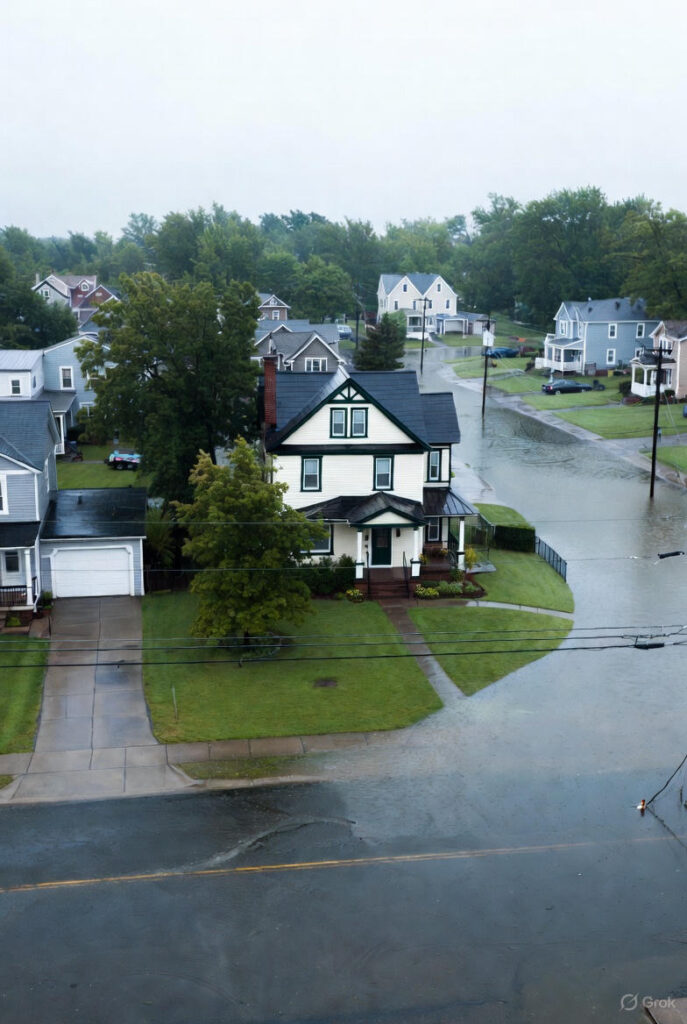
The neighborhood’s gently varied topography, particularly in proximity to natural green spaces, creates localized low-lying areas where water may accumulate during heavy precipitation events. Although Lakeview is not officially designated within a FEMA high-risk floodplain, localized flooding resulting from inadequate drainage or stormwater overflow remains a tangible risk. These environmental and infrastructural factors shape underwriting approaches and the availability of tailored coverage options offered by insurers, including local independent agencies like Ingram Insurance. We specialize in writing insurance for homes in Lakeview.
Key Insurance Risks for Home Insurance in Lakeview
The flood and water damage risks in Lakeview are multifaceted and interrelated, necessitating a nuanced understanding of several primary risk categories to grasp their insurance implications fully.
1. Storm-Related Water Damage
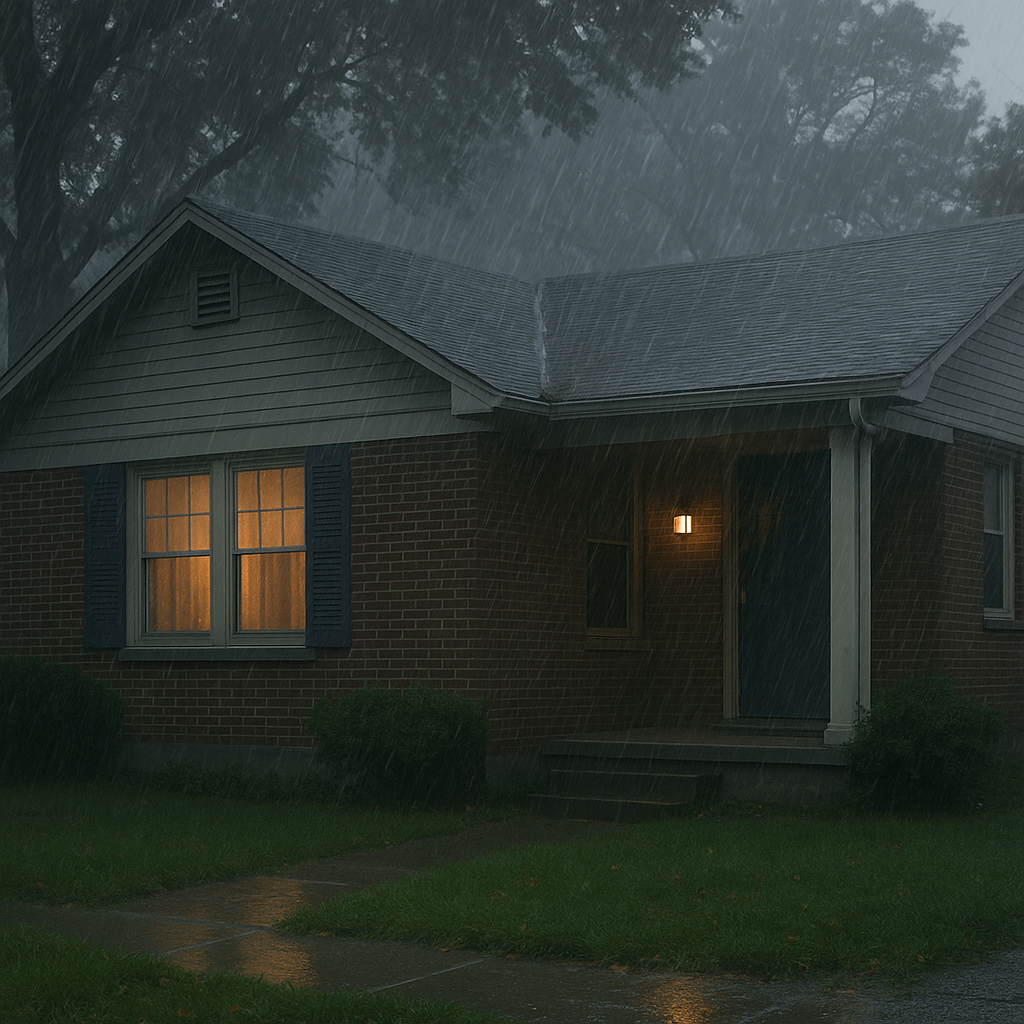
Midwestern storms routinely bring heavy rainfall, strong wind gusts, and, during colder seasons, ice accumulation. In Lakeview, such storms can inflict damage on roofs and siding, creating vulnerabilities that permit rainwater to penetrate the home’s protective envelope. Additionally, high winds may topple mature trees or large branches onto structures, resulting in direct physical damage. The ensuing structural impairments commonly lead to water intrusion, which constitutes one of the most frequent causes of homeowner insurance claims in the area.
For example, a windstorm that dislodges roof shingles may not cause immediate water damage; however, if the damage remains unrepaired, rainwater can infiltrate the attic space over days or weeks, fostering mold growth and weakening structural components. Homeowners aware of these risks are more likely to engage in proactive maintenance and prompt repairs, behaviors that insurers often recognize and reward through more favorable policy terms. For more on storm-related risks, read What Homeowners in Dayton Need to Know About Storm Damage Coverage.
2. Aging Mechanical Systems and Water Leaks
Many Lakeview residences contain plumbing and HVAC systems that were installed decades ago. Aging pipes can develop leaks, and older water heaters or sump pumps may fail unexpectedly. Unlike storm-related water damage, these leaks are often slow and concealed, causing progressive deterioration of flooring, drywall, and structural framing.
Insurance policies typically exclude damage resulting from neglect or lack of maintenance but cover sudden and accidental water damage events. For instance, if a pipe bursts suddenly, the resulting water damage is generally covered; conversely, damage caused by a prolonged, unnoticed leak may be denied. This distinction underscores the homeowner’s responsibility to perform regular system inspections and maintenance, particularly given Lakeview’s older housing stock. Learn more about protecting your HVAC systems with Ohio HVAC Insurance: Protecting Heating & Cooling Contractors from Costly Risks.
3. Sewer Backup and Drainage Issues
Lakeview’s adjacency to natural green spaces and reliance on aging stormwater infrastructure mean that during periods of intense rainfall, the sewer system can become overwhelmed, resulting in backups. Sewer backup can cause extensive water damage to basements and lower levels of homes. Standard homeowners insurance policies customarily exclude coverage for sewer or drain backup unless a specific endorsement is purchased, making this an essential consideration for Lakeview residents seeking comprehensive protection. Consider reviewing What Dayton Homeowners Should Know About Sewer, Drain, and Water-Backup Coverage for more details.
4. Flooding
Although the Lakeview neighborhood is generally outside FEMA-designated high-risk flood zones, its local topography and stormwater management systems can permit localized flooding in certain lower-lying areas or around homes with inadequate grading. Flood insurance, typically obtained through the National Flood Insurance Program (NFIP), is a separate policy from standard home insurance but represents a prudent investment given the potentially devastating financial consequences of flood damage. For homeowners interested in the differences, see Water Backup vs Flood Insurance – Know the Difference.

5. Underinsurance Risks in an Older Neighborhood
An often-overlooked but critical risk in Lakeview is underinsurance, where policy limits fail to cover the full replacement cost of the home. Replacement costs can exceed market values in older neighborhoods due to increased labor and material costs, code upgrade requirements, and the specialized restoration methods necessary for mid-century homes with brick or updated siding. Underinsurance exposes homeowners to significant out-of-pocket expenses in the event of a loss, underscoring the importance of accurate and regular policy evaluations. For tips on avoiding common pitfalls, check out 5 Common Home Insurance Mistakes Ohio Homeowners Make (and How to Avoid Them).
How Home Insurance Works in Ohio (And What’s Different in Lakeview)
Home insurance in Ohio generally encompasses a suite of coverages intended to protect the dwelling, other structures on the property, personal belongings, liability risks, and additional living expenses incurred during displacement. The underlying principle is risk-sharing: homeowners pay premiums to transfer financial exposure from covered perils to the insurer, who, in turn, agrees to indemnify losses subject to policy limits, deductibles, and specific exclusions.
While Ohio home insurance policies adhere to standardized forms, regional underwriting nuances—such as those present in Lakeview—impact coverage terms and premium pricing. For example, insurers may apply wind or hail deductibles, reflecting the moderate but tangible wind risk associated with seasonal storms. Water damage coverage is particularly complex: flood damage is excluded from standard policies and requires separate flood insurance, while sewer backup coverage necessitates the purchase of an endorsement.
Claims payments are generally determined by two principal valuation methods:
- Replacement Cost: The amount necessary to repair or rebuild the home using similar materials and workmanship at current market prices, without deduction for depreciation.
- Actual Cash Value (ACV): Replacement cost minus depreciation attributed to age, wear, and tear.
Lakeview homeowners typically benefit from replacement cost coverage, especially given the neighborhood’s distinctive construction materials and the inflationary pressures on repair costs in older homes. While choosing ACV coverage may reduce premiums, it exposes homeowners to substantial out-of-pocket expenses in the aftermath of a claim.
Another distinctive factor in Lakeview is the prevalence of detached garages and aging mechanical systems. Insurers often require explicit coverage for detached structures and may offer endorsements addressing mechanical breakdowns or service line protection, which covers damage to water or sewer pipes extending from the street to the home.
For a comprehensive primer on these considerations, including how local factors shape underwriting decisions, please consult our Lakeview homeowners insurance overview.
Coverage Decisions Lakeview Residents Can’t Afford to Get Wrong
Choosing Between Replacement Cost and Actual Cash Value
Consider a typical Lakeview ranch home insured for $200,000. In the event of hail damage to the roof, replacement cost coverage would pay the full expense to install a new roof at current market prices—approximately $15,000. Conversely, an Actual Cash Value policy would deduct depreciation based on the roof’s age, which could be significant for a roof around 60 years old, resulting in insurer payment of only $7,000 to $9,000. The homeowner would be responsible for the balance. Given Lakeview’s prevalence of mid-century homes often requiring specialized materials or repair techniques, opting for replacement cost coverage generally justifies the higher premium through enhanced financial protection.
Water Backup and Sewer Coverage Endorsements
Standard homeowners insurance policies exclude damage caused by sewer or drain backups, a particularly relevant exposure in Lakeview due to the neighborhood’s aging drainage infrastructure. Adding a water backup endorsement typically entails an additional premium of a few hundred dollars annually but can protect homeowners from potentially tens of thousands of dollars in basement repair and cleanup costs following a backup event. Given Homes in Lakeview’s combination of older infrastructure and periodic heavy rains, this coverage endorsement represents a practical and financially prudent safeguard.
Wind and Tree-Related Damage Deductibles
Some insurers impose separate deductibles specifically for wind or hail damage, often expressed as a percentage of the insured dwelling value rather than a fixed dollar amount. For Lakeview homes, where falling limbs from mature trees are a frequent cause of damage, understanding these deductibles is critical. For example, a 2% wind deductible on a home insured for $250,000 equates to a $5,000 out-of-pocket expense before insurance payments commence. This deductible threshold significantly influences repair timing decisions and financial planning for homeowners.
Ordinance or Law Coverage
Older homes in Lakeview may require upgrades to comply with current building codes during repair or rebuilding processes, such as electrical rewiring or structural reinforcements. Ordinance or law coverage reimburses these additional expenses, which can be substantial. Without this coverage, homeowners bear the full cost of mandated upgrades, potentially adding thousands of dollars to claim expenses.
Underinsurance and Policy Limits
Periodic reassessment of dwelling coverage limits to reflect current replacement costs—not merely market value—is essential. Underinsurance frequently arises when an older home’s market price lags behind the actual cost to rebuild, driven by labor shortages, material cost inflation, and code compliance requirements. Lakeview homeowners should collaborate closely with their insurance agents to ensure policy limits are sufficient, thereby avoiding unexpected and burdensome financial exposure after a loss.
Real-World Scenarios From Lakeview Streets and Homes
Scenario 1: Storm Damage and Tree Limb Intrusion
Mrs. Thompson’s 1955 split-level residence sustained damage during a windstorm when a large tree branch broke and fell onto her roof, damaging gutters and siding. Water subsequently seeped into the attic space, resulting in interior water stains and mold development. Her insurance policy included wind coverage with a 1% deductible, meaning she paid $2,500 out-of-pocket on a home insured for $250,000. The insurer covered the remaining $10,000 for roof and siding repairs, as well as mold remediation. Without appropriate wind deductibles and mold coverage, Mrs. Thompson would have faced substantial uncovered costs, highlighting the importance of tailored coverage aligned with Lakeview’s specific risks.
Scenario 2: Sewer Backup Flooding Basement
The Johnson family’s ranch-style home experienced basement flooding after heavy rains overwhelmed the local sewer system. Having proactively purchased a water backup endorsement recommended by their insurance agent, their policy reimbursed the costs of cleanup, replacement of damaged personal property, and basement repairs totaling $18,000. Without this endorsement, the family would have borne these expenses themselves, underscoring the critical value of endorsements tailored to Lakeview’s drainage challenges.
Scenario 3: Plumbing Leak in an Aging Mid-Century Home
Mr. and Mrs. Patel discovered a sudden pipe burst within their home’s original galvanized plumbing system, resulting in extensive damage to flooring and drywall. Their insurance policy covered sudden water damage, and the insurer paid $12,000 for repairs. However, had the leak been slow and unnoticed over several months, the claim likely would have been denied as maintenance-related damage. This example highlights the homeowner’s obligation to actively monitor and maintain aging mechanical systems, a particularly important consideration in Lakeview’s older housing stock.
Cost, Discounts, and Smart Ways to Control Premiums
Lakeview homeowners can effectively manage insurance premiums through informed choices without compromising essential coverage. Key strategies include selecting higher deductibles, such as opting for a $1,000 deductible instead of $500, which can reduce annual premiums but requires readiness for increased out-of-pocket expenses in the event of a claim. Bundling home and auto insurance policies with the same insurer often yields meaningful discounts. Regular home maintenance and timely updates to electrical, plumbing, and roofing systems lower risk exposure and may translate into premium savings. Installing protective devices such as sump pumps, backflow valves, and storm shutters can also qualify for discounts. Lastly, conducting annual reviews of coverage limits and endorsements ensures that policies remain aligned with evolving risks and current home values.
Balancing coverage adequacy with cost considerations demands a nuanced understanding of risk tolerance and financial capacity. Local independent agents, such as those at Ingram Insurance, offer valuable assistance in analyzing these tradeoffs and tailoring insurance policies to Lakeview’s distinct risk profile. Learn why everyone in the Miami Valley should work with an independent insurance agent to get the best coverage.
Nearby Neighborhoods and How They Compare
When compared to these neighboring communities, Lakeview’s mid-century housing stock and moderate tree density present somewhat elevated risks related to aging mechanical systems and storm damage. For example, Highview Hills features newer construction with different risk profiles, whereas Hearthstone shares some mid-century characteristics but also exhibits unique topographical features influencing flood exposure. A nuanced understanding of these neighborhood-specific distinctions facilitates more precise coverage selection and endorsement customization by homeowners and their agents.
When and How to Review Your Policy if You Live or Own Properties or Homes in Lakeview
Consistent and timely policy review is essential for maintaining effective home insurance protection in Lakeview. Optimal review intervals and events include annual policy renewals, following home improvements or system upgrades that may alter replacement costs, immediately after filing a claim due to potential premium or coverage changes, and upon observing neighborhood changes such as new development, alterations in drainage patterns, or changes in tree coverage that may affect risk exposure.
During these reviews, homeowners should verify dwelling coverage limits, confirm water backup and flood insurance needs, and evaluate the affordability of deductibles. Engaging an agent familiar with Lakeview’s unique characteristics ensures that adjustments are tailored to the evolving risk landscape and individual homeowner circumstances.
Working With a Local Independent Agent Who Knows Lakeview
Partnering with an independent insurance agent rooted in Dayton’s Lakeview neighborhood confers distinct advantages. Local agents possess intimate knowledge of the area’s housing stock, weather patterns, and community layout, enabling them to anticipate and address insurance risks and coverage nuances that generic policies may overlook. Ingram Insurance, located at 733 Salem Ave, Dayton, OH 45406, specializes in serving Lakeview homeowners with personalized guidance that extends beyond standard policy offerings.
Working with a local expert facilitates informed decision-making regarding complex coverage options for homes in Lakeview such as replacement cost versus actual cash value, water backup endorsements, and wind deductibles. Local agents analyze specific risks related to aging plumbing, mature tree exposure, and stormwater management, ensuring insurance policies are precisely tailored to each home’s unique profile.
For further information or to receive a personalized policy review, please visit more details about insurance in Lakeview or contact Ingram Insurance directly.
Conclusion
Lakeview’s distinctive mid-century homes, tree-lined streets, and proximity to natural green spaces create a neighborhood rich in character but accompanied by a complex insurance environment. Flood and water damage risks in this area are multifaceted, influenced by aging infrastructure, storm exposure, and localized drainage dynamics. Successfully managing these risks requires more than standard policy coverage—it demands an informed approach rooted in local expertise and thoughtful policy design.
Ingram Insurance, based in Dayton, serves homeowners, landlords, drivers, and business owners throughout Lakeview. For a second opinion on your current coverage or to obtain a fresh insurance quote, please call (937) 741-5100, email contact@insuredbyingram.com, or visit https://www.insuredbyingram.com/ to get started.
¿Prefieres leer información sobre seguros en español? Visita nuestra página en español en es.insuredbyingram.com para obtener guías claras, recursos locales y ayuda personalizada para tu póliza de hogar o auto en Ohio.