Why Ohio Auto Rates Are Rising (And How to Keep Yours Low)
Ohio has traditionally been one of the more affordable states in the country for auto insurance. For decades, drivers in Montgomery County, Dayton, Kettering, Centerville, and the surrounding suburbs enjoyed stable premiums and competitive pricing due to favorable loss ratios and a strong statewide insurance market. Over the past several years, however, the landscape has changed dramatically. Auto insurance premiums across Ohio have increased at the fastest rate in modern history, leaving many drivers confused about why their costs continue to rise even if they have clean records and no accidents. This comprehensive guide explains the deeper forces driving Ohio’s auto rate increases and offers practical, long-term strategies for keeping premiums as low as possible while maintaining the protection your family needs.
Understanding the Economic Forces Behind Rising Ohio Auto Rates
To understand why auto premiums have risen so sharply, one must first understand the economic reality insurers face. Auto insurance operates on a deceptively simple foundation: premiums collected must cover claims paid, administrative overhead, and future reserves. For many years, Ohio performed exceptionally well in this balance. Loss costs remained manageable, bodily injury settlements were comparatively modest, and vehicle repair pricing stayed relatively stable. The result was a competitive market with many carriers aggressively entering Ohio, which kept premiums low.
The era of stability ended when the cost of repairing and replacing vehicles began outpacing previous projections. A modern vehicle in Dayton or Kettering is no longer a simple assembly of mechanical components. Vehicles today contain advanced safety features, computer systems, integrated sensors, and sophisticated electronics that rapidly drive up repair costs. A modest collision that once required a bumper replacement now requires calibration of forward-facing cameras, lidar units, ultrasonic sensors, and lane-assist modules. These recalibrations often require specialized equipment and highly trained technicians, increasing both parts and labor costs.
Medical inflation further complicates the picture. Bodily injury claims have grown significantly due to rising healthcare prices. Emergency care, imaging, physical therapy, prescription treatments, and long-term rehabilitation all carry higher price tags than in previous decades. Even though Ohio remains less litigious than some states, settlement values for injury cases have increased noticeably, particularly in accidents involving teen drivers, high-impact collisions, or multi-vehicle incidents. Insurers must adjust premiums to reflect these modern realities, regardless of an individual driver’s clean record.
How Ohio’s Driving Environment Has Changed
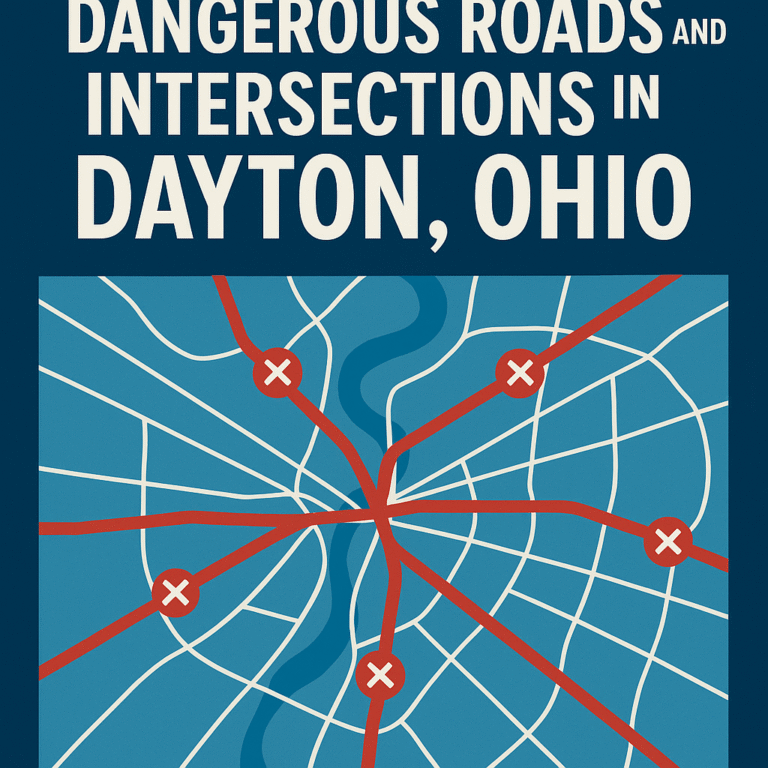
Ohio’s driving environment has undergone meaningful shifts that directly affect premiums. Traffic patterns in Montgomery County reflect a return to pre-2020 congestion levels. While remote work temporarily reduced accident frequency, hybrid schedules have brought many commuters back onto the road. In areas such as downtown Dayton, the I-75 and I-675 corridors, and commercial routes through Kettering and Centerville, accident frequency has normalized or increased. Even modest increases in accidents can dramatically impact loss ratios because insurers must plan for aggregate risk across large populations.
The rise in distracted driving remains one of the most significant contributors to modern auto collisions. Phones, navigation screens, in-car entertainment systems, and the ever-present challenge of multitasking behind the wheel have created unprecedented cognitive distraction. Insurers reviewing Ohio claims see a strong correlation between cellphone distraction and rear-end collisions, lane-departure incidents, and intersection crashes. Even when distraction is not reported directly, crash patterns often suggest a loss of situational awareness consistent with distracted driving. These trends elevate both frequency and severity, which insurers must incorporate into pricing.
Weather, Seasonal Risk, and the Ohio Claims Cycle
Ohio’s weather patterns also play a major role in rising premiums. Winter storms, sudden freeze-thaw cycles, and black ice contribute heavily to accident spikes between December and March. Montgomery County drivers are familiar with the challenges posed by rapidly shifting winter conditions. A cold front can turn wet pavement into black ice within minutes, particularly on arterial routes through Centerville, Kettering, and suburban Dayton. Even cautious drivers may find themselves involved in collisions caused by unpredictable winter surfaces.
Hailstorms and severe thunderstorms have also become more frequent and more damaging. A single hail event can produce thousands of comprehensive claims across a region in one afternoon. Comprehensive claims, while not typically counted against drivers individually, nonetheless affect overall loss costs in Ohio. In addition, water-related claims, wind damage, and falling debris events add complexity to repair procedures, especially when modern vehicles require specialized replacement parts. As climate variability continues, insurers anticipate that weather-related claim frequency will remain elevated, influencing premiums long-term.
The Cost of Repairing Modern Vehicles
Repair cost inflation is among the most impactful drivers of Ohio auto rate increases. The complexity of modern vehicles is both an asset and a liability. Advanced Driver Assistance Systems (ADAS) protect drivers by reducing collision severity, but when these systems are damaged, the cost to restore them is substantial. Windshields that once cost a few hundred dollars to replace now often exceed a thousand dollars because they include embedded sensors and heads-up display technology. Bumpers contain radar units. Side mirrors contain cameras and heating modules. Even minor scrapes can require full replacement of expensive components because modern materials do not tolerate repair the same way older metal-dominant assemblies once did.
Montgomery County repair facilities report that calibration procedures can add significant labor time to repairs. These calibrations must often occur in controlled environments with level floors, specialized lighting, and manufacturer-approved equipment. A single misalignment can render safety systems ineffective. Carriers cannot cut corners on these procedures, not only because accuracy is crucial but because manufacturers require certification to maintain compliance and warranty standards. As a result, the cost of repairing even minor accidents rises dramatically. Insurers cannot absorb these cost increases indefinitely, and premiums must adjust to reflect true claim values.
Total Loss Frequency and the Used Vehicle Market
Another relevant factor is total loss frequency. Insurers in Ohio are declaring more vehicles as total losses than at any point in recent history. This trend is tied directly to rising repair costs. When repairs exceed a certain percentage of the vehicle’s market value, the insurer must declare the vehicle a total loss. Modern repair costs often exceed these thresholds quickly, especially for compact vehicles or older cars with moderate market values. This means that a relatively minor collision in Centerville or Kettering may lead to a total loss determination rather than a repair authorization.
At the same time, the used vehicle market in Ohio has experienced significant price volatility. Supply chain disruptions, new vehicle shortages, and heightened demand elevated used vehicle values for an extended period. Although the market has begun stabilizing, vehicles remain more expensive than historical norms. For insurers, a higher vehicle value means a higher payout in a total loss scenario. When repair costs rise and vehicle valuations rise simultaneously, insurers face a double pressure point that directly influences premiums.
Understanding How Insurers Calculate Ohio Auto Rates
Insurers operate in competitive markets but must price premiums in accordance with expected losses. Carriers analyze historical claims data, loss frequency patterns, severity trends, economic conditions, and regional differences to determine appropriate pricing for Ohio drivers. Montgomery County, for example, carries distinct risk characteristics compared to rural areas. Dayton’s traffic density and accident frequency differ from quieter regions, and premiums reflect those differences.
Insurers also assign drivers to underwriting tiers based on risk. Preferred and ultra-preferred tiers receive significant discounts, while standard or non-standard tiers carry higher rates. A clean driving record, stable address history, strong credit profile, and absence of recent claims or violations all support placement in lower-cost tiers. The challenge for many Ohio drivers is that even those with strong risk profiles may see increases simply because the underlying loss environment has changed statewide. This can feel unfair, but from an actuarial perspective it reflects the reality that insurers must fund present and future claims across broad populations.
How to Keep Your Auto Rates Low in Ohio
While many factors driving Ohio auto rate increases are outside individual control, drivers still retain significant ability to influence their long-term premium trajectory. Maintaining a clean driving record is the most important step. Even minor moving violations can place drivers into higher-cost tiers for several years. Avoiding accidents, observing speed limits, and minimizing distractions all contribute to sustained low-risk behavior that insurers reward over time.
Bundling is another effective strategy. Families who insure home and auto policies with the same carrier often receive sizable multi-policy discounts. Montgomery County households in places like Oakwood, Kettering, Washington Township, and Centerville frequently experience the most meaningful savings because their home policies help qualify them for preferred pricing tiers. Bundling also provides policy stability, as households with multiple lines of insurance tend to remain attractive to carriers over long periods.
Telematics programs offer additional opportunities for savings. Many Ohio insurers now provide usage-based insurance options where driving behavior is monitored and evaluated. Drivers who demonstrate consistent, safe behavior often receive significant discounts. These programs can initially feel intrusive, but when used strategically they can meaningfully reduce premiums while reinforcing good driving habits.
Vehicle choice plays an important role as well. Driving a safe, reliable, moderately valued vehicle reduces both collision and comprehensive premiums. Families purchasing vehicles in Dayton or Kettering for young adult drivers should consider models with strong safety ratings and modest repair costs. Avoiding high-horsepower engines or vehicles with expensive electronic systems can prevent avoidable premium increases.
Why Even Good Drivers Are Seeing Rate Increases
One of the most common frustrations among Ohio drivers is the feeling of being punished despite maintaining a perfect driving record. Parents in Dayton express confusion when their policy rises even though they have been claim-free. Retirees in Kettering question why premiums increase after years of safe driving. Young professionals in Centerville wonder why their rates climb even though their vehicles have never been involved in an accident.
The explanation lies in statewide and national loss ratios. Auto insurance operates under risk pooling. When claim costs rise across the state, even safe drivers must contribute to the financing of the overall insurance system. This does not diminish the value of maintaining a clean record; preferred-tier drivers still pay far less than high-risk drivers. However, preferred drivers are not immune to industry-wide trends rooted in economic and technological change.
Interior Considerations After Auto-Related Incidents: Color & Style Dayton
While the discussion of rising auto rates is primarily focused on vehicle costs, some collisions involve garage impacts, entryway damage, or structural effects on the home itself. These incidents often require not only auto insurance claims but home insurance claims as well, particularly when walls, floors, or built-in systems are affected by the collision. When these situations arise, the quality of interior restoration becomes a central concern for families.

Color & Style Dayton provides cabinetry, flooring, countertops, and interior design support. When a vehicle-related incident affects the interior portions of a home, families benefit from using a professional team that restores and upgrades materials while maintaining consistency with the home’s existing aesthetic. Winter is often an ideal season for these projects, as indoor work is less affected by the outdoor climate and contractors may have more availability. If an auto incident leads to interior repair needs, partnering with skilled local providers simplifies the restoration process.
Preparing for the Future of Auto Insurance in Ohio
Given current economic trends, Ohio auto rates are unlikely to revert to previous decades’ levels. Repair costs will remain elevated because modern vehicles continue to grow in complexity. Medical inflation will continue influencing bodily injury claims. Distracted driving remains a systemic challenge that no insurer can control directly. Winter weather and severe storms will continue shaping claim cycles across Montgomery County and the rest of Ohio.
While premium increases may continue, drivers can mitigate the financial impact through proactive planning. Maintaining excellent credit, bundling policies, driving safe and well-maintained vehicles, enrolling in telematics when appropriate, and reviewing coverages annually with an independent agent all contribute to long-term cost efficiency. These strategies help drivers navigate a market where external forces often dictate pricing.
Conclusion: Navigating Ohio’s Changing Auto Insurance Landscape
Ohio drivers face a challenging insurance environment shaped by rising repair costs, evolving vehicle technology, infrastructure demands, and broader economic pressures. Yet within this landscape, there remain clear strategies for maintaining affordable and effective coverage. Drivers in Dayton, Kettering, Centerville, Oakwood, and the wider Montgomery County region can protect themselves from avoidable increases by understanding how insurers calculate premiums and by taking advantage of the tools available to them.
Although the era of ultra-low auto insurance prices in Ohio may be behind us, informed decision-making, proactive risk management, and a long-term view of coverage structure allow families to maintain stability and protect their financial well-being. With the right approach, Ohio drivers can continue to secure strong coverage at reasonable prices even within a changing market.
Related: If you’re dealing with a license suspension or need high-risk coverage, read our full Ohio SR-22 Insurance Guide for costs, requirements, and step-by-step reinstatement help.
Get Help Keeping Your Auto Rates Low
Ingram Insurance is an independent agency based in Dayton and serving drivers throughout Ohio. If you want a clear, personalized review of your auto policy or guidance on long-term cost strategies, our team is ready to assist.
Ingram Insurance – Dayton’s Trusted Independent Agency
Address: 733 Salem Ave, Dayton, OH
Phone: (937) 741-5100
Website: www.insuredbyingram.com
Email: contact@insuredbyingram.com