Why Parked Cars Get Hit So Often in Dayton’s Older Neighborhoods — And How to Protect Yourself
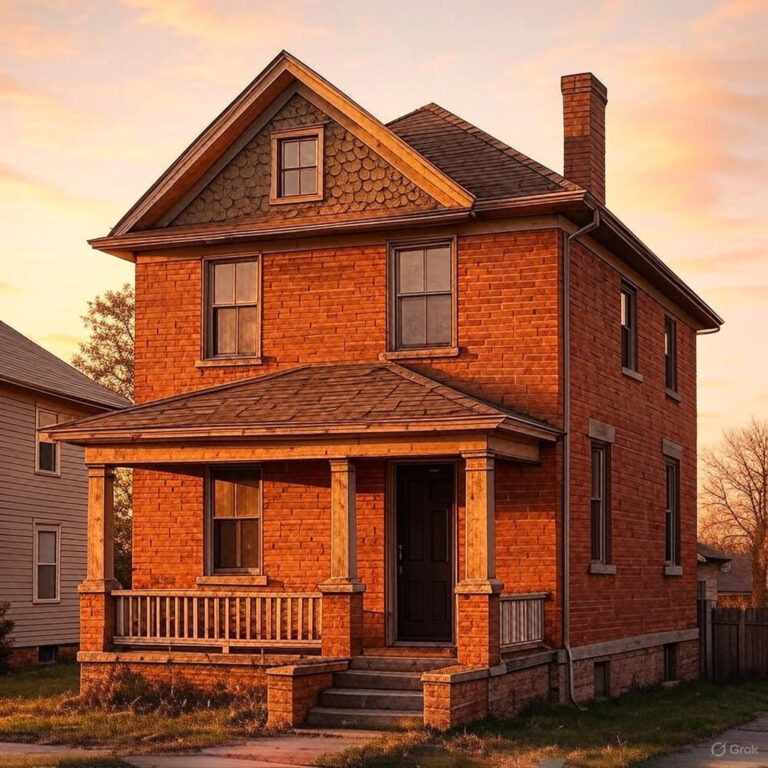
Many of Dayton’s older neighborhoods were built long before the modern car era — which means narrow streets, tight curbs, and homes with little or no off-street parking. If you live in Dayton View Triangle, Walnut Hills, Twin Towers, College Hill, or the Oregon District, there’s a good chance you or someone on your street has woken up to a side-swiped, bumper-crushed, or mirror-destroyed parked car at least once. These types of accidents are incredibly common, but most drivers don’t know the smartest ways to prevent them — or what to do when they happen. Here’s a local guide on how to reduce your risk and how insurance handles these situations in Ohio.
Why Parked-Car Accidents Happen So Often in Older Dayton Neighborhoods
1. Narrow Streets Designed Before Modern Cars
Neighborhoods like Twin Towers, Walnut Hills, and College Hill were laid out between the late 1800s and early 1900s. Streets were designed for horses, streetcars, and much smaller early vehicles, not today’s oversized trucks and SUVs.
When you combine:
- Narrow lanes
- Tight turns
- Dense curbside parking
- Large modern pickup trucks and SUVs
…you get a formula for frequent sideswipes, mirror strikes, and bumper damage.
2. High Density and On-Street Parking Only
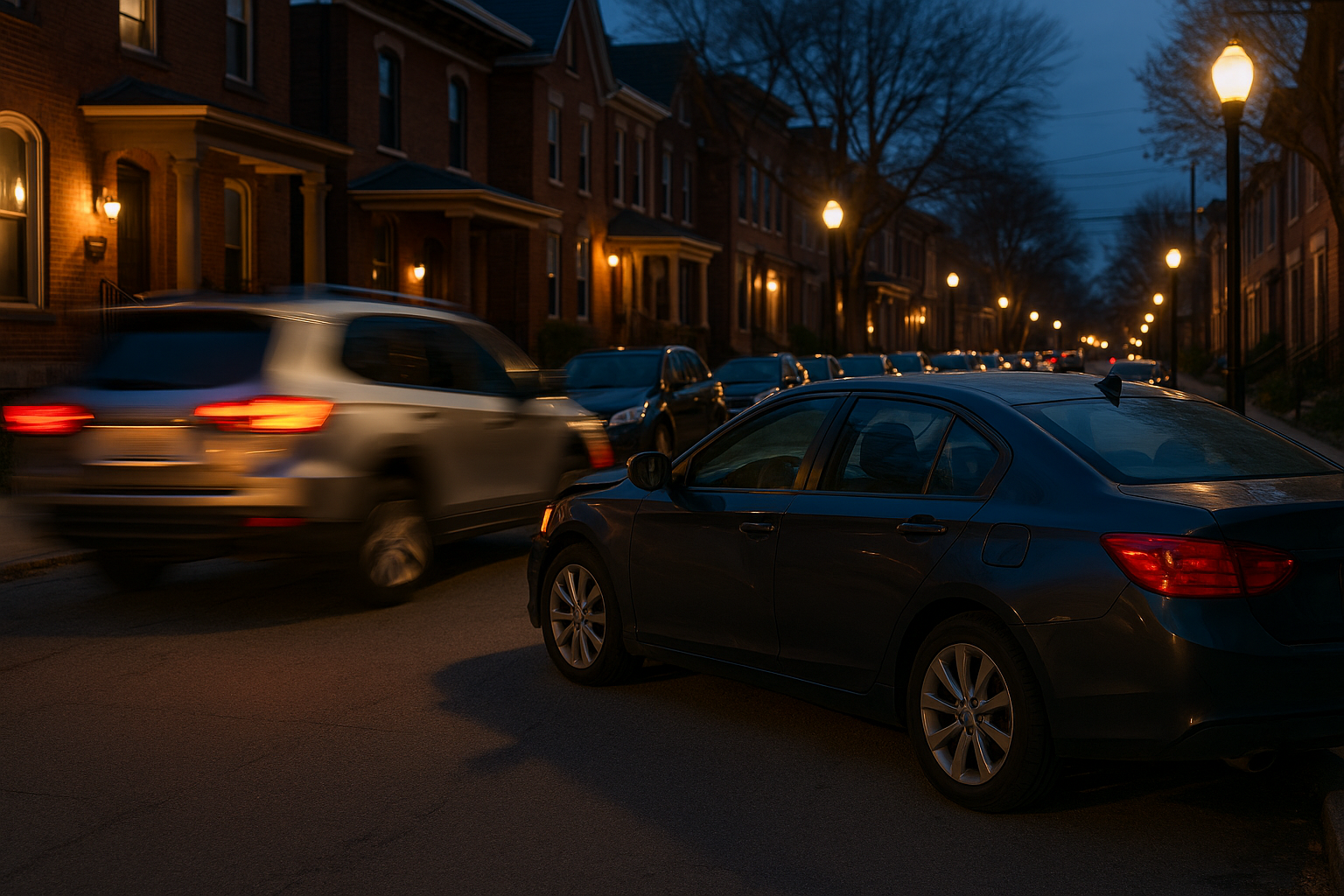
Areas like the Oregon District and Dayton View Triangle have historic homes, apartments, and mixed-use buildings with minimal or nonexistent driveways. On many streets, on-street parking is your only option.
That often means:
- Cars parked on both sides of the street
- Limited visibility for drivers passing through
- Cars pulling in and out of tight gaps
- Very little room for error
The spacing alone leads to frequent low-speed crashes and scuffs.
3. Late-Night Traffic and Distracted Driving
In the Oregon District and parts of Walnut Hills, nightlife and evening congestion increase the odds of:
- Drunk or buzzed driving
- Distracted driving (phones, GPS, passengers)
- Out-of-area drivers unfamiliar with the tight street layout
These conditions often contribute to parked cars being hit and, unfortunately, a higher rate of hit-and-run incidents.
4. Delivery Vans, Box Trucks, and Contractors
Online shopping and home services mean neighborhoods like Twin Towers and College Hill see a constant flow of:
- Amazon, UPS, and FedEx vans
- Box trucks
- Contractor and service vehicles
Large vehicles navigating narrow residential streets with tight parking are a big contributor to scrapes, crushed mirrors, and damaged bumpers.
How to Reduce the Risk of Your Car Being Hit While Parked
Even though you can’t change street width or traffic patterns, you can make your car a more visible, predictable, and protected object on the road. Here are practical ways to reduce your risk in Dayton’s older neighborhoods.
1. Park on Streets With Better Visibility
If your block has a blind curve, hillcrest, or a narrow choke point where only one car can squeeze through at a time, your car is statistically more likely to be hit.
When you can, look for:
- Straighter sections of the block
- Areas near street lights
- Wider sections near intersections
- Sections where cars are parked on only one side
This small shift in where you park can dramatically reduce your exposure.
2. Park Facing the Direction of Traffic
It may seem minor, but correctly oriented parking improves visibility and keeps you on the right side of Ohio’s parking laws. Parking facing traffic means:
- Headlights from oncoming cars hit your taillights and reflectors correctly
- Drivers better judge the width and position of your vehicle
- You are aligned with the natural flow of traffic
Illegal left-side parking is not only a ticket risk, it is also one of the top contributing factors in parked-car collisions on narrow streets.
3. Avoid Parking Directly Across From Another Car
In Dayton View Triangle, College Hill, and Twin Towers especially, many streets only allow one safe line of travel when cars are parked on both sides.
If you park directly opposite another vehicle, you create a squeeze point. Drivers will try to slip through, and that’s when mirrors, doors, and bumpers get clipped.
Whenever possible, stagger your parking so you are not perfectly lined up with a car on the opposite curb.
4. Fold Your Mirrors In
This is one of the simplest and most effective habits you can build if you park on the street.
Folding your mirrors:
- Prevents many minor mirror strikes
- Reduces your car’s effective width
- Signals that space is tight and drivers should proceed cautiously
Modern side mirrors can cost hundreds of dollars to repair or replace. Taking three seconds to fold them can save you a lot of frustration and money.
5. Use a Dash Cam With Parking Mode
A dash cam with “parking mode” can continue recording when your car is off, triggered by motion or impact. This is especially powerful in neighborhoods like the Oregon District, Walnut Hills, and Twin Towers.
A good dash cam can capture:
- Hit-and-run impacts
- License plates
- Vehicle descriptions and directions of travel
- Evidence for your insurance claim and police report
This can be the difference between a mystery hit-and-run and a fully documented accident.
6. Park Near a Street Light When You Can
Well-lit parking spots do more than just make you feel safer. They help passing drivers see your vehicle clearly at night.
Parking near a light pole:
- Improves visibility of your car’s shape and position
- Reduces misjudged distances from drunk or tired drivers
- May discourage hit-and-run behavior
7. Avoid Corners and Driveway Aprons
Cars turning corners often swing wider than drivers realize, especially trucks and SUVs. In Walnut Hills and College Hill, this is a common source of bumper and rear quarter panel damage.
Try not to park directly at corners, near tight intersections, or in front of driveways where cars have to make sharp entry and exit turns.
What to Do If Your Parked Car Is Hit in Dayton
Most people are unsure what to do next, especially in a hit-and-run situation. Here is the order of steps to protect yourself and strengthen your claim.
Step 1: Document Everything Immediately
As soon as you discover the damage, take photos before moving the car.
Photograph:
- All visible damage from multiple angles
- Debris on the road or in the parking lane
- Tire marks or skid marks
- Paint transfer or scrapes from the other vehicle
- The street, intersection, or surroundings where you were parked
These details can help your insurance company and, in some cases, law enforcement.
Step 2: Check for Video
Next, look for possible video sources:
- Ring and other doorbell cameras on the block
- Home or business security cameras
- Your own dash cam footage, if you have one
Many hit-and-run cases get solved because a neighbor’s camera, two or three houses down, caught the impact or the vehicle driving away.
Step 3: File a Police Report
For a hit-and-run, always file a police report. This helps document the event and can be important for certain insurance coverages.
Depending on the neighborhood and jurisdiction, that might involve Dayton Police or the Montgomery County Sheriff. Be ready to provide:
- The location where you were parked
- Approximate time window when the damage occurred
- Photos, video, or witness information
Step 4: Notify Your Insurance Agent
This is where having a local, independent agency in Dayton really pays off. At Ingram Insurance, we help you work through:
- Whether collision or uninsured motorist property damage (UMPD) applies
- How your deductible will work
- Whether it makes sense to file a claim or pay out-of-pocket
- Repair shop options and rental car questions
You do not have to navigate this alone. A quick phone call can save you time, money, and stress.
Step 5: Understand Which Coverage Applies
If your parked car is hit, coverage usually works like this:
If the at-fault driver stops and provides information:
Their liability coverage should pay for your damage, subject to their limits and policy terms.
If they leave or cannot be identified (hit-and-run):
You typically have two main options:
Collision coverage
- Applies in most hit-and-run situations
- You pay your collision deductible
- Your insurer covers the rest, subject to limits
Uninsured Motorist Property Damage (UMPD)
- May have a lower deductible than collision
- Often requires physical contact with the vehicle
- Not available on every policy, and not selected by every driver
A local agent can help you decide which route is cheaper and faster and how a claim might affect your long-term rate.
Dayton Neighborhood Breakdown: Why Each Area Sees So Many Parked-Car Claims
Dayton View Triangle
Dayton View Triangle has beautiful historic homes, mature trees, and rolling terrain. That combination creates:
- Hilly streets with limited sight lines
- Narrow sections where only one car fits comfortably
- Heavy on-street parking due to limited driveways
It is a charming area, but the streets demand slow, careful driving—and not everyone gives it the respect it deserves.
Walnut Hills
Walnut Hills is full of tight Victorian-era streets with older homes and multifamily units. You will often see:
- Cars parked bumper-to-bumper on both sides
- Sharp turns and steep grade changes
- Contractors and delivery vehicles squeezing through limited space
All of this adds up to a higher-than-average chance of parked-car and mirror damage.
Twin Towers
Twin Towers is one of Dayton’s denser neighborhoods, which means lots of vehicles and limited curb space.
Common risk factors include:
- Very tight curbside spacing
- High foot and vehicle traffic
- Frequent parking turnover throughout the day
Side-swipes and low-speed impacts while backing in and out of spots are a regular part of life here.
College Hill
College Hill mixes longtime residents, rentals, and students with a variety of vehicles—from compact cars to oversized trucks.
Risk factors here include:
- Large pickup trucks and SUVs trying to navigate narrow streets
- Irregular parking habits from guests and renters
- Blind hills and bends that limit visibility
The Oregon District
The Oregon District is one of Dayton’s most popular destinations for nightlife, dining, and events. That means heavy traffic, especially on evenings and weekends.
Common challenges include:
- Out-of-area drivers unfamiliar with the street layout
- Drivers circling for parking and making last-second decisions
- Higher chance of drunk or distracted driving late at night
Those factors make parked-car incidents and hit-and-runs more likely, especially on busy nights.
How to Make Sure You’re Properly Protected
If you regularly park in Dayton View Triangle, Walnut Hills, Twin Towers, College Hill, or the Oregon District, it is worth taking a closer look at your auto insurance.
1. Consider a Lower Collision Deductible
If you park on the street every day, a $1,000 collision deductible can hurt when a hit-and-run happens. You might be better off with a $500 or even $250 deductible, depending on your budget and risk tolerance.
2. Add Uninsured Motorist Property Damage (UMPD) if Available
UMPD is designed for situations where your car is damaged by a driver who has no insurance—or by a hit-and-run driver who cannot be identified. It is often inexpensive and can provide valuable protection in these older neighborhoods.
3. Add Rental Car Coverage
If your car is hit while parked and needs repairs, rental coverage keeps you on the road. This can be a lifesaver for commuters or families with only one vehicle.
4. Consider OEM Parts Endorsements
Depending on your vehicle, you may want coverage that specifies OEM (original equipment manufacturer) parts for repairs. This can help maintain your vehicle’s value and ensure a better fit and finish if panels, mirrors, or bumpers need to be replaced.
Living in Dayton’s Historic Neighborhoods Has Charm — and Risks
Dayton View Triangle, Walnut Hills, College Hill, Twin Towers, and the Oregon District are some of the most character-filled neighborhoods in the city. With that character comes narrow streets, old infrastructure, and very real parked-car risks.
The good news: with smart parking habits and the right auto insurance, you can dramatically reduce both the likelihood and the financial impact of your car being hit.
If you are not sure whether your current policy is set up correctly, that is exactly what we are here for.
Ingram Insurance — Dayton, Ohio
We are a local, independent agency that understands Dayton’s older neighborhoods, from Salem Avenue to the Oregon District and beyond. We can review your current coverage, explain your options in plain English, and help you choose protection that matches where you actually live and park.
Contact Ingram Insurance
733 Salem Ave, Dayton, OH 45406
Phone: (937) 741-5100
Website: www.insuredbyingram.com
Email: contact@insuredbyingram.com
Ready to talk about your coverage? Learn more about our Dayton insurance agency or reach out today for a quote.