
Winters in Ohio: What to Expect, Common Risks, and How to Prepare
Winters in Ohio are unpredictable, intense, and often underestimated. One week may bring mild temperatures and rain, while the next delivers heavy snow, ice storms, and below-zero wind chills. For homeowners, drivers, landlords, and business owners, understanding what Ohio winters are really like is essential for staying safe and avoiding costly damage.
This guide explains what typically happens during winters in Ohio, how weather patterns vary across the state, and the most common winter-related risks Ohio residents face each year.
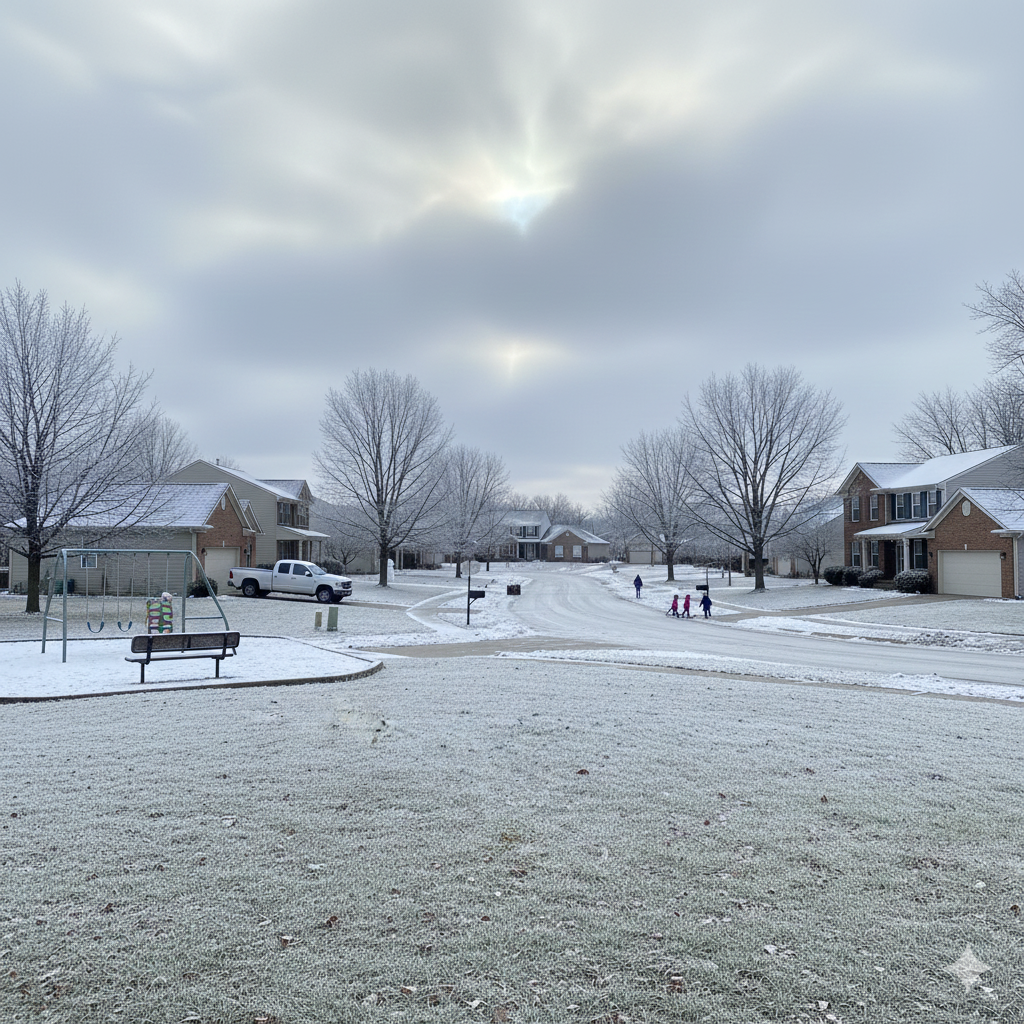
What Are Winters in Ohio Like?
Winters in Ohio generally run from late November through early March, though cold snaps can arrive earlier and linger longer depending on the year. Ohio’s location between the Great Lakes and the Ohio River Valley exposes it to multiple competing weather systems.
Common winter conditions include:
- Freezing temperatures
- Snowfall ranging from light to heavy
- Ice storms and freezing rain
- Rapid temperature swings
- Strong winds and wind chills
Northern Ohio often experiences heavier snowfall due to lake-effect snow, while central and southern Ohio tend to see more ice, sleet, and fluctuating temperatures.
Beyond snow and cold, one of the defining characteristics of winters in Ohio is how quickly conditions can change. A single winter week may include rain, freezing rain, snow, thawing temperatures, and then a hard freeze. These rapid shifts place constant stress on infrastructure, homes, vehicles, and roadways throughout the state.
Ohio’s geography plays a major role in this volatility. Weather systems moving east from the Midwest frequently collide with moisture coming north from the Ohio River Valley or off Lake Erie. When warmer, moisture-heavy air meets cold arctic air, the result is often mixed precipitation rather than consistent snowfall. This is why Ohio winters are known for sleet, ice accumulation, and freezing rain rather than steady snow alone.
Another defining feature of Ohio winters is wind exposure. Even when temperatures appear manageable, wind chills can drive effective temperatures far lower. Open farmland, flat terrain, and urban wind corridors can amplify cold air movement, increasing the risk of frostbite, frozen pipes, and heat loss in buildings. Strong winter winds also contribute to drifting snow, reduced visibility, and power line damage.
Snowfall patterns vary significantly across short distances. Northern Ohio, particularly areas closer to Lake Erie, can experience sudden lake-effect snow bands that drop several inches in a matter of hours. These bands are often localized, meaning one area may receive heavy snow while a nearby city sees very little. Central Ohio tends to experience more mixed precipitation, while southern Ohio often sees rain turning to ice as temperatures fluctuate around the freezing mark.
Winters in Ohio also tend to feel longer than the calendar suggests. Late-season snowfalls in March and even early April are not uncommon, and overnight freezes can persist well into spring. This extended cold season affects planting cycles, construction schedules, road maintenance, and long-term property wear.
Urban and rural areas can experience Ohio winters differently as well. Cities often retain heat longer due to pavement and building density, which can lead to increased freeze-thaw cycles. Rural areas may experience colder overnight temperatures and slower road treatment, increasing the risk of ice buildup and travel disruptions.
Finally, Ohio winters are unpredictable from year to year. Some winters are relatively mild with limited snowfall, while others bring repeated storms, extended cold snaps, and prolonged ice conditions. This inconsistency makes preparation more important than prediction, as even a mild winter can include severe weather events.
Overall, winters in Ohio are defined less by constant snow and more by variation, moisture, and rapid temperature change. These characteristics shape daily life during the winter months and contribute to many of the seasonal challenges Ohio residents face each year.
Average Winter Temperatures in Ohio
Winter temperatures in Ohio can vary significantly by region, but averages generally fall within these ranges:
- Daytime highs often between 30°F and 40°F
- Overnight lows frequently below freezing
- Periodic cold snaps dropping into the single digits or below zero
These temperature swings are one of the biggest challenges of Ohio winters, as repeated freezing and thawing can damage roads, roofs, pipes, and foundations.
Snowfall and Ice in Ohio Winters
Snowfall in Ohio ranges widely:
- Northern Ohio can receive 40–60 inches of snow in heavier winters
- Central Ohio typically sees moderate snowfall mixed with ice
- Southern Ohio often experiences more freezing rain than snow
Ice storms are especially dangerous, causing:
- Power outages
- Downed trees and power lines
- Hazardous driving conditions
- Structural damage from ice accumulation
How Ohio Winters Affect Homes
Winters in Ohio place unique stress on homes, especially older properties.
Common winter-related home issues include:
- Frozen or burst pipes
- Ice dams on roofs
- Roof damage from snow load
- Heating system failures
- Basement leaks from snowmelt
- Cracked siding or foundations due to freeze-thaw cycles
Proper winter preparation is critical to minimizing these risks.
Winter Driving Conditions in Ohio
Ohio winters are notoriously hard on drivers. Snow, black ice, freezing rain, and reduced visibility contribute to thousands of winter-related accidents each year.
Common winter driving hazards include:
- Icy bridges and overpasses
- Snow-covered rural roads
- Sudden whiteout conditions
- Delayed road treatment during overnight storms
Drivers are often caught off guard by rapidly changing conditions, especially during early or late winter storms.
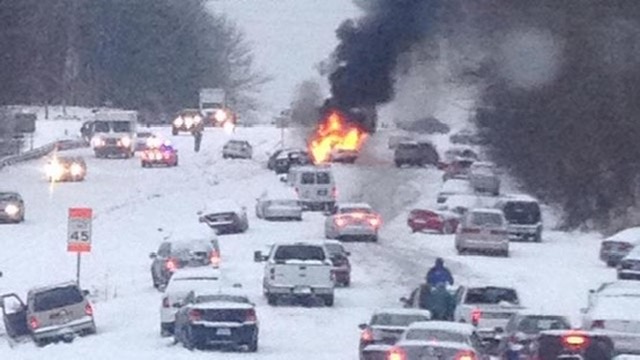
Ohio winters are notoriously hard on drivers, and the numbers consistently reflect that winter road conditions remain one of the most serious safety hazards for motorists. According to the Ohio State Highway Patrol, during the 2023–2024 winter season (December through March) there were 8,104 reported crashes on snow-, ice-, or slush-covered roads across the state. This figure shows how prevalent winter weather impacts are, even though that particular season saw a 21% decrease from the previous year’s totals. Within that total, there were 15 fatal crashes resulting in 15 fatalities, and a variety of contributing factors such as unsafe speed, driving off road, and following too closely were frequently identified. Source
Looking at other recent seasons offers additional perspective on how dangerous Ohio’s winter roads can be. In the 2021–2022 winter, Ohio experienced 12,939 crashes on snowy, icy, or slushy roads, with 17 fatal crashes and 3,364 people injured, illustrating how winter conditions can lead to significant human and economic costs. Source
The types of hazards Ohio drivers face are wide-ranging and often occur with little warning. Icy bridges and overpasses remain a major concern because these elevated surfaces freeze more rapidly than other parts of the roadway. Snow-covered rural roads may not be treated as quickly as interstates, and narrow lanes or ditches make recovery difficult when a vehicle loses traction. “Black ice,” a thin, nearly invisible layer of ice that forms when moisture freezes on pavement, is especially dangerous because it can appear on roads that look merely wet, reducing traction in seconds without any visible warning. 911 Driving School
Rapid weather changes can turn a wet road into an icy one overnight. A day that begins above freezing with rain or slush can shift into dangerous conditions by evening once temperatures drop. These same temperature swings make forecasts less reliable and mean drivers must prepare for winter hazards even on days that start mild.
Despite these risks, Ohio consistently ranks high among U.S. states for winter driving danger. One analysis placed Ohio among the more treacherous states to drive in winter conditions due to factors such as snow, sleet, and freezing drizzle, trailing only behind a few states with harsher climates. Source
Because winter road conditions are both common and unpredictable, the Ohio Department of Transportation (ODOT) dedicates significant resources to snow and ice removal, with over 1,500 snowplows and hundreds of thousands of tons of salt ready each year. Even with these efforts, conditions can still deteriorate quickly on untreated secondary roads or during overnight storms. Wikipedia
In short, winter in Ohio presents a combination of frequent crashes, serious hazards, and rapidly changing conditions that make careful driving essential. Recognizing the statistics and preparing accordingly—such as slowing down, increasing following distance, and avoiding travel during active storms—can significantly reduce the risk of being involved in a winter weather collision.
Power Outages During Ohio Winters
Ice accumulation, strong winds, and heavy snow frequently cause power outages during Ohio winters. Outages can last from hours to several days depending on storm severity.
Extended outages increase the risk of:
- Frozen plumbing
- Food spoilage
- Heating system shutdowns
- Property damage in vacant homes
Backup heat sources and emergency planning are especially important during severe winter weather.
Why Ohio Winters Cause So Much Property Damage
The biggest issue isn’t just cold — it’s variability.
Ohio winters are dangerous because of:
- Repeated freeze-thaw cycles
- Rapid temperature drops
- Moisture intrusion followed by freezing
- Aging infrastructure and housing stock
These conditions create ideal circumstances for hidden damage that may not be discovered until spring.
Preparing for Winters in Ohio
Preparation should begin well before the first freeze.
Common winter preparation steps include:
- Sealing drafts and air leaks
- Insulating pipes and exterior faucets
- Servicing heating systems
- Clearing gutters before snowfall
- Inspecting roofs and attic insulation
- Creating emergency supply kits
Consistent preparation reduces both safety risks and long-term repair costs.
Final Thoughts on Winters in Ohio
Winters in Ohio are challenging, unpredictable, and often severe — but they don’t have to be disastrous. Understanding typical winter conditions, recognizing common risks, and preparing early can make a significant difference in safety and property protection.
Whether you’re a homeowner, landlord, or long-time Ohio resident, respecting the realities of Ohio winters is one of the smartest steps you can take.
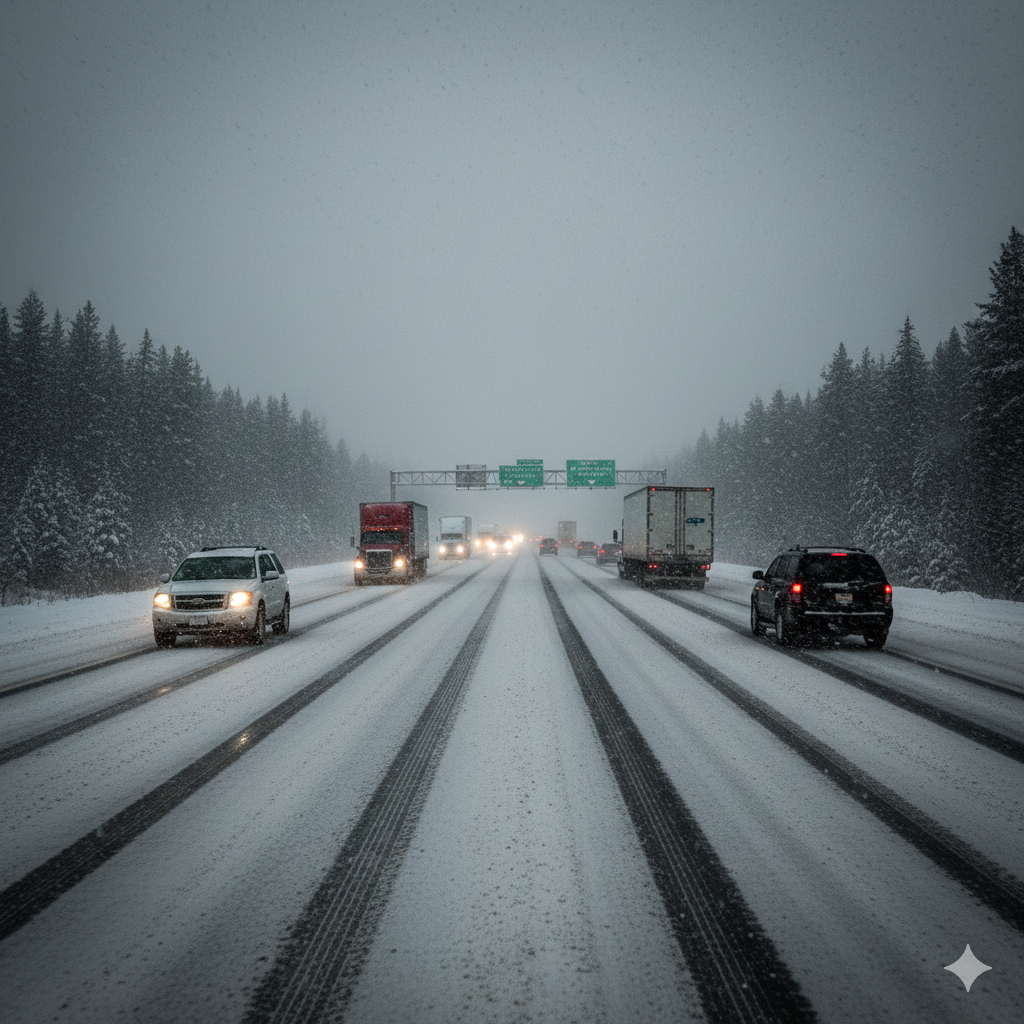
Winters in Ohio: Frequently Asked Questions About Winter Driving Conditions in Ohio
What are winter driving conditions in Ohio typically like?
Winter driving conditions in Ohio often include snow, ice, freezing rain, reduced visibility, and rapidly changing road surfaces due to frequent freeze-thaw cycles.
Why are winter driving conditions in Ohio so dangerous?
Ohio’s winter driving conditions are dangerous because temperatures fluctuate quickly, creating black ice, slush, and refreezing water on roads that may look safe but are not.
When are winter driving conditions worst in Ohio?
Winter driving conditions in Ohio are usually worst from December through February, especially during overnight hours and early mornings when temperatures drop below freezing.
Does Ohio get a lot of winter car accidents?
Yes. Thousands of crashes occur each winter in Ohio due to snow-, ice-, and slush-covered roads, according to Ohio State Highway Patrol data.
What causes black ice during Ohio winters?
Black ice forms during Ohio winters when moisture freezes on road surfaces, often overnight or after rain, creating invisible icy patches that severely reduce traction.
Are bridges more dangerous during winter driving conditions in Ohio?
Yes. Bridges and overpasses freeze faster than surrounding roads, making them particularly hazardous during winter driving conditions in Ohio.
How do winter driving conditions differ between northern and southern Ohio?
Northern Ohio tends to see heavier snowfall, while southern Ohio experiences more freezing rain and ice, leading to different winter driving risks across the state.
Are rural roads more dangerous in Ohio winters?
Often, yes. Rural roads may receive delayed treatment, have less lighting, and include narrow shoulders, increasing risk during winter driving conditions in Ohio.
Does Ohio use salt or brine for winter roads?
Yes. The Ohio Department of Transportation uses a combination of salt, brine, and plowing to manage winter driving conditions, though coverage varies by road type and timing.
Can winter driving conditions in Ohio change quickly?
Absolutely. Ohio is known for rapid weather shifts, where rain or slush can freeze within hours, dramatically worsening driving conditions.
Is it safe to drive during Ohio winter storms?
Driving during active winter storms in Ohio is risky due to reduced visibility, untreated roads, and sudden ice formation. Avoiding travel during storms is recommended when possible.
What time of day is most dangerous for winter driving in Ohio?
Early mornings and late nights are often the most dangerous times due to refreezing, lower traffic that delays detection of hazards, and untreated surfaces.
Do winter driving conditions in Ohio cause power outages?
Indirectly, yes. Ice storms and high winds associated with Ohio winters can cause outages that also affect traffic signals and roadway safety.
How should drivers prepare for winter driving conditions in Ohio?
Drivers should slow down, increase following distance, ensure proper tires, keep emergency supplies in their vehicle, and monitor weather forecasts closely.
Are highways safer than local roads in Ohio winters?
Generally, yes. Major highways are prioritized for treatment, while local and secondary roads may remain hazardous longer during winter driving conditions in Ohio.
Do Ohio winters affect visibility while driving?
Yes. Snowfall, blowing snow, freezing rain, and early darkness during winter months all contribute to reduced visibility.
Can winter driving conditions in Ohio affect insurance claims?
Yes. Winter-related accidents are a common cause of auto insurance claims in Ohio, particularly those involving ice, snow, and reduced traction.
Are Ohio winters worse for new or inexperienced drivers?
They can be. Drivers unfamiliar with winter driving conditions in Ohio may underestimate hazards like black ice or overcorrect during skids.
Does Ohio experience whiteout conditions?
While less common than in some states, Ohio can experience sudden whiteout conditions during heavy snowfall or lake-effect snow events.
Why are early and late winter storms especially dangerous in Ohio?
Drivers are often less prepared early in the season, and late-season storms catch people off guard, making winter driving conditions in Ohio more dangerous during those periods.
Questions About Winter-Related Damage or Coverage?
Winter weather is a leading cause of home and auto insurance claims in Ohio. If you’re unsure how winter damage is handled under your policy—or want to better understand your coverage before the next storm—help is available.
📞 Call: (937) 741-5100
🌐 Website: https://www.insuredbyingram.com
📧 Email: contact@insuredbyingram.com
Serving Ohio residents with clear, practical insurance guidance.