Auto Insurance in Belmont, Dayton: What Local Drivers Need to Know
Auto Insurance in Belmont: If you park on the street in Belmont—and most residents do, since the neighborhood’s homes were built long before attached garages became standard—you’ve probably had at least one close call. Maybe it was navigating the tight alleys around Watervliet Avenue, squeezing past a delivery truck on Smithville Road, or finding your mirror clipped by a driver who didn’t leave a note. These aren’t rare incidents in Belmont—they’re part of daily life in one of Dayton’s most charming, walkable, and parking-challenged neighborhoods.
Here’s what makes Belmont different from newer Dayton suburbs: narrow streets designed in the 1920s, limited off-street parking, mature trees that shed branches during storms, proximity to University of Dayton traffic, and a mix of longtime homeowners, students, and renters all sharing the same tight roads. All of these factors mean Belmont drivers face higher risks—and need smarter auto insurance coverage.
This guide breaks down exactly what Belmont drivers need to know about auto insurance, from understanding why state minimum coverage leaves you dangerously exposed to choosing the right deductibles for a neighborhood where street parking incidents are common. Whether you’re a longtime Belmont resident or just moved to one of the beautiful bungalows near Watervliet, here’s how to protect your vehicle and your wallet.
Why Belmont’s Streets Create Unique Auto Insurance Risks
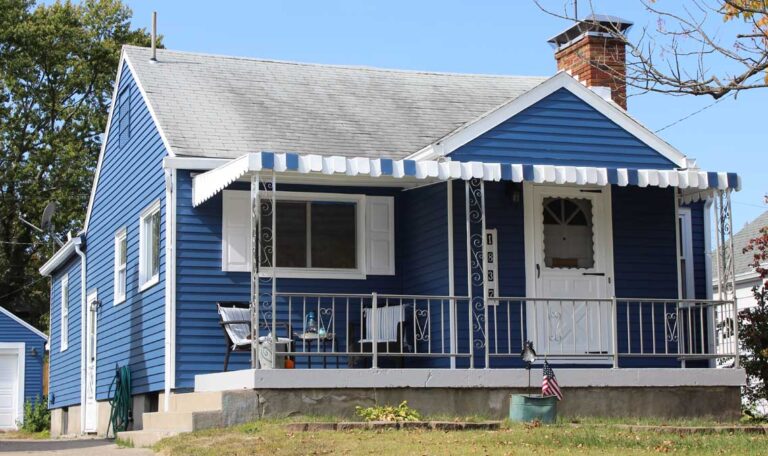
Belmont is a quintessential Dayton neighborhood, with single-family homes built primarily between the 1920s and 1960s. You’ll find charming one-and-a-half story bungalows, Cape Cods, and post-war ranches on deep city lots lined with mature trees. The neighborhood centers around Watervliet Avenue and Smithville Road, with quick access to downtown Dayton via Wayne Avenue and easy routes to Kettering and University of Dayton.
But here’s the insurance reality: these homes were built before attached garages were standard. Most Belmont properties either have no garage at all, a detached garage accessed by a narrow alley, or just a carport. That means the vast majority of Belmont residents park on the street—every single day and night.
The Belmont Parking Reality:
- Most homes have no driveway or garage
- Street parking is the primary option for residents
- Alleys are narrow, often poorly lit, and tight to navigate
- Streets were designed before modern SUVs and pickup trucks
- Mature trees create beauty—and falling branch risks
When you combine narrow 1920s-era streets with modern vehicles, daily street parking, University of Dayton traffic, and a business district that draws unfamiliar drivers to Watervliet Avenue, you get a neighborhood where fender benders, sideswipes, hit-and-runs, and parking mishaps are simply more common than in newer suburbs with two-car garages and wide cul-de-sacs.
For more detailed strategies on protecting your parked car in Dayton’s older neighborhoods, check out our guide on preventing parked car damage in historic Dayton neighborhoods.
The Most Common Auto Insurance Claims We See From Belmont Drivers
Here’s what actually happens on Belmont streets—these are the real-world claims we help residents with regularly:
1. Hit-and-Run Parked Car Damage
This is the number one claim type in Belmont. Your car is parked on Watervliet Avenue near Slyder’s Tavern or along a residential street. When you come out in the morning, you find a crushed mirror, scraped door, or damaged bumper. No note, no witnesses, no idea who did it.
Without the right coverage, you’re stuck paying for repairs yourself. With proper collision or uninsured motorist property damage (UMPD) coverage, your insurer handles it—minus your deductible.
2. Alley Navigation Accidents
Belmont’s alleys are functional but tight. Backing out of a detached garage onto a narrow alley means limited visibility, especially with parked cars, delivery trucks, or trash bins in the way. It’s incredibly easy to clip another vehicle, scrape a fence, or damage your own car on a utility pole or garage door frame.
Collision coverage pays for damage to your vehicle in these situations. Liability coverage handles damage you cause to someone else’s property.
3. Tree and Storm Damage
Belmont’s mature tree canopy is beautiful—until a windstorm, ice storm, or summer thunderstorm brings down branches. Cars parked on the street are sitting ducks. A large branch can shatter a windshield, dent a roof, or total an older vehicle.
This is where comprehensive coverage becomes essential. It covers non-collision damage like falling objects, hail, fire, theft, and vandalism. Without it, you pay for all repairs out of pocket.
4. Low-Speed Collisions on Narrow Streets
Two cars trying to squeeze past each other on a narrow residential street. A driver making a tight turn on Watervliet. Someone backing out of a parking spot near Belmont Market. These low-speed incidents cause thousands in damage and happen constantly in Belmont.
Collision coverage handles these situations, regardless of who’s at fault (though fault determines whose insurance pays first).
5. University of Dayton Area Traffic Incidents
Belmont sits adjacent to University of Dayton, which means student drivers, increased traffic during the school year, and a mix of experienced and inexperienced drivers sharing the roads. This contributes to a higher frequency of accidents, especially during peak times like move-in weekends, game days, and Friday and Saturday nights.
Real Belmont Scenario:
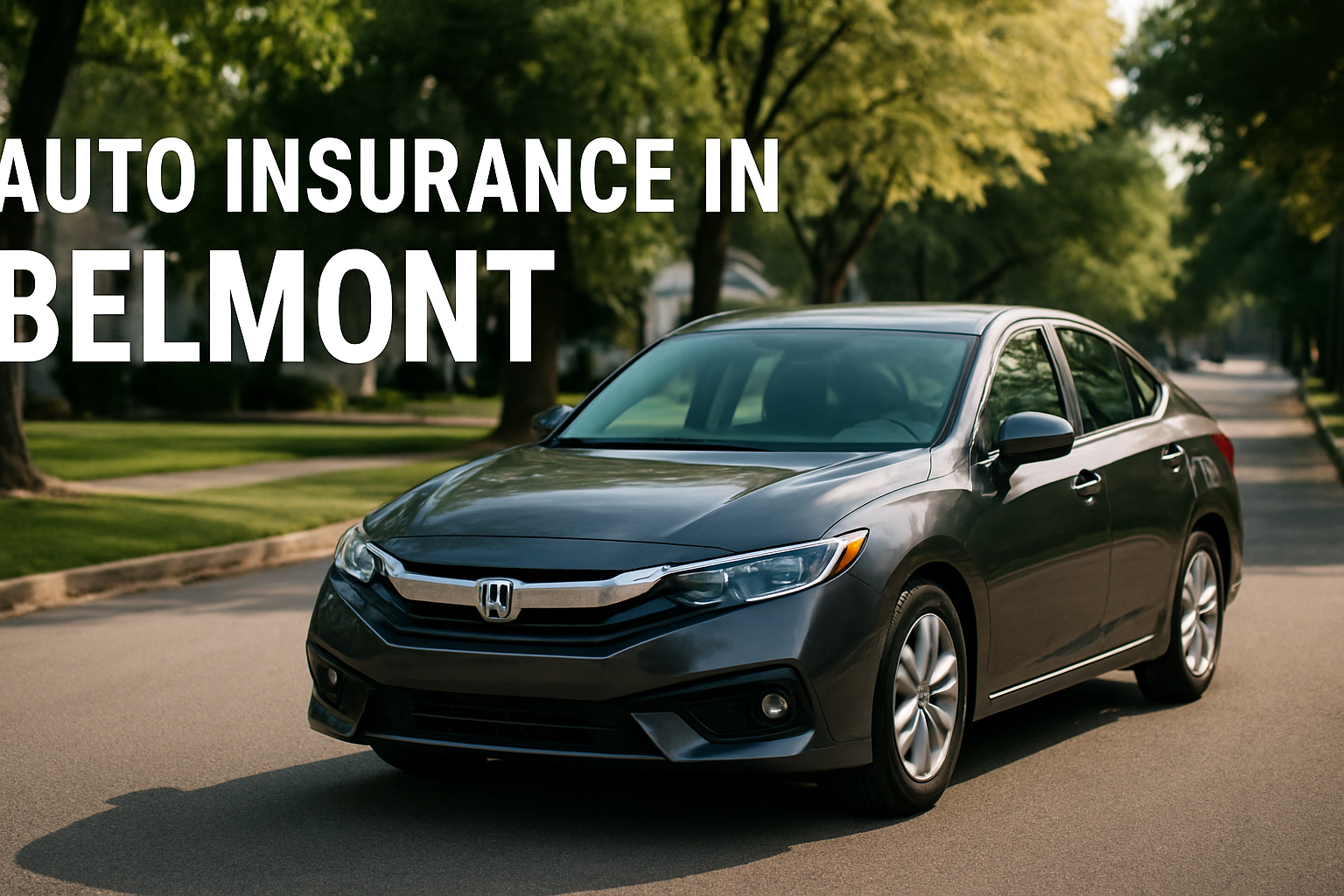
Sarah parks her 2019 Honda Accord on the street near her bungalow on a side street off Watervliet. During a winter ice storm, a branch from a mature maple tree falls onto her hood, and later that night, a snow plow clips her rear bumper while clearing the street. Two separate incidents in one night.
Without comprehensive coverage: Sarah pays $3,200 for hood repairs and $1,800 for bumper work—$5,000 total out of pocket.
With comprehensive coverage ($500 deductible): Sarah pays $500 once, and her insurance covers both incidents. Total out of pocket: $500.
Understanding Requirements for Auto Insurance in Belmont (And Why They’re Not Enough)
Ohio law requires all drivers to carry minimum liability insurance:
- $25,000 per person for bodily injury
- $50,000 total per accident for bodily injury
- $25,000 for property damage
Here’s the problem: these minimums were set decades ago and haven’t kept pace with actual costs. A moderate car accident today can easily exceed these limits.
What $25,000 Actually Covers in 2025:
- A single emergency room visit with imaging and observation can cost $15,000-25,000
- The average new car costs over $48,000 (property damage limit is only $25,000)
- Legal fees and settlements from injury lawsuits can reach hundreds of thousands
- If you cause a serious accident, minimum coverage leaves you personally liable for the rest
For Belmont residents—many of whom are homeowners with equity, professionals with income to protect, or landlords with rental properties—carrying only minimum coverage is a massive financial risk. One serious accident can wipe out your savings and put your home equity at risk through a lawsuit.
What We Actually Recommend for some Belmont Drivers
Based on Belmont’s specific risks and typical resident profiles, here’s what makes sense for most drivers:
- Liability limits: At least 100/300/100 (that’s $100,000 per person, $300,000 per accident for injuries, $100,000 for property damage)
- Collision coverage: Essential, with a $500 deductible (not $1,000—claims happen too often here)
- Comprehensive coverage: Non-negotiable if you park on the street (tree damage, theft, vandalism are real risks)
- Uninsured/Underinsured Motorist: Critical protection for hit-and-run incidents
- Medical Payments Coverage: Helps cover medical costs regardless of fault
How Much Does Good Auto Insurance in Belmont actually cost?
Let’s talk real numbers. Insurance costs vary based on your age, driving record, vehicle, and coverage choices, but here’s what Belmont drivers typically pay:
Typical Belmont Driver Example:
Profile: 35-year-old homeowner, clean driving record, 2021 Honda Civic
State Minimum Coverage Only:
- Annual Premium: $450-650
- What you’re missing: No collision, no comprehensive, minimal liability
- Risk: One incident could cost you $5,000-10,000+ out of pocket
Recommended Belmont Coverage:
- 100/300/100 liability
- $500 collision deductible
- $500 comprehensive deductible
- Uninsured motorist coverage
- Annual Premium: $950-1,250
The Math: You save maybe $400-600/year with minimum coverage. But one hit-and-run, one tree branch, or one accident where you’re at fault could cost you $5,000-20,000. Is $400 in annual savings worth risking $10,000+ in a single incident?
Factors That Affect Your Rate in Belmont
Things that increase your premium:
- Street parking (higher theft and damage risk than garages)
- Proximity to University of Dayton (higher traffic volume)
- Tickets and accidents on your record
- Lower deductibles
- Newer or more expensive vehicles
Things that lower your premium:
- Clean driving record
- Bundling with homeowners insurance
- Good credit score
- Safety features on your vehicle
- Completing a defensive driving course
- Installing a dash cam (some insurers offer discounts)
Smart Auto Insurance Moves for Belmont Drivers
Here are specific, practical steps Belmont residents should take to protect their vehicles and wallets:
1. Choose a $500 Collision Deductible, Not $1,000
With street parking and tight alleys, claims happen more frequently in Belmont than in suburban neighborhoods with driveways. A $1,000 deductible saves you maybe $100-150 per year on premiums. But if you have even one claim every few years, you’re losing money. A $500 deductible is the sweet spot for Belmont drivers.
2. Don’t Skip Comprehensive Coverage
Many drivers think comprehensive is only for new cars. Wrong. In Belmont, where your car sits on the street under mature trees every night, comprehensive coverage protects you from:
- Falling branches during storms
- Theft or vandalism
- Hit-and-run damage while parked
- Hail damage
- Fire or flood
Comprehensive is relatively inexpensive and can save you thousands after a single storm.
3. Add Uninsured Motorist Property Damage (UMPD)
UMPD covers damage to your car caused by a driver who has no insurance or who flees the scene (hit-and-run). In neighborhoods like Belmont where hit-and-runs are common, this coverage is essential. It often has a lower deductible than collision coverage and costs very little to add.
4. Install a Dash Cam With Parking Mode
A dash cam with parking mode continues recording when your car is off, capturing impacts and license plates if your parked car is hit. This can be the difference between a denied hit-and-run claim and a successful one with evidence. Many insurers now offer discounts for dash cams.
5. Bundle With Homeowners or Renters Insurance
Bundling your auto and home insurance with the same company typically saves 15-25% on both policies. For Belmont homeowners, this can mean hundreds in annual savings. Plus, you only deal with one agent and one company for claims.
6. Add Rental Car Coverage
If your car is in the shop after an accident or storm damage, rental coverage pays for a rental car while yours is being repaired. This is especially valuable if you have only one vehicle or need your car for work. It typically costs $20-40 per year.
7. Review Your Policy Annually
Your insurance needs change as your car ages, your driving patterns shift, or your financial situation evolves. Review your coverage every year before renewal to make sure you’re not over-insured on an older car or under-insured for your asset protection needs.
What to Do When Your Car Is Hit in Belmont
Despite the best insurance and parking strategies, accidents happen. Here’s exactly what to do if your parked car is damaged or you’re involved in an accident in Belmont:
Step 1: Document Everything Immediately
Before you move your car or touch anything, take photos:
- All damage from multiple angles
- The street, intersection, or location where you were parked
- Debris, skid marks, or paint transfer
- Surrounding context (nearby cars, street signs, addresses)
Step 2: Look for Video Evidence
Belmont residents often have Ring doorbells or security cameras. If your car was hit while parked, knock on doors and ask neighbors if they have footage. Many hit-and-run cases get solved because someone’s doorbell camera caught the incident.
Step 3: File a Police Report
For hit-and-runs or any accident with injury or significant damage, file a report with Dayton Police. You’ll need this for your insurance claim, and it helps document what happened.
Step 4: Contact Your Insurance Agent (Not Just Your Insurance Company)
This is where having a local independent agent really matters. Call your agent—not the 1-800 number—and they’ll walk you through:
- Whether you should file a claim or pay out of pocket
- Which coverage applies (collision vs. UMPD vs. comprehensive)
- How your deductible works
- Whether this claim will affect your rates
- Repair shop recommendations
- Rental car arrangements
Step 5: Understand Which Coverage Applies
If the at-fault driver stopped and provided information:
Their liability insurance should pay for your damage. You can file through their insurance company directly, or file with your own insurer and let them handle the claim (called subrogation).
If it’s a hit-and-run or the driver has no insurance:
- Uninsured Motorist Property Damage (UMPD): Covers your damage, often with a lower deductible than collision
- Collision Coverage: Also applies to hit-and-runs, you pay your deductible and your insurer covers the rest
If a tree branch or other object hit your parked car:
This is a comprehensive claim. You pay your comprehensive deductible, and your insurer covers the repairs.
Real Belmont Hit-and-Run Scenario:
Mike parks on the street near his home on a side street off Smithville Road. Saturday morning, he discovers someone sideswiped his car overnight—$2,200 in damage to the door and rear quarter panel. No note, no witnesses.
Mike’s coverage: He has UMPD with a $250 deductible and collision with a $500 deductible.
The smart move: File under UMPD (lower deductible). Mike pays $250, insurance covers the remaining $1,950.
Without UMPD or collision: Mike pays all $2,200 himself.
Why Belmont Is Different From Other Dayton Neighborhoods
If you’ve lived in Kettering, Centerville, or Beavercreek, you might think Belmont’s insurance needs are similar. They’re not. Here’s why:
Belmont vs. Newer Suburbs
- Parking: Suburbs have driveways and attached garages. Belmont has street parking and tight alleys.
- Streets: Suburbs have wide, well-lit streets designed for modern vehicles. Belmont has narrow 1920s streets with limited sight lines.
- Trees: Suburbs have young landscaping trees. Belmont has 80-100 year old maples that drop heavy branches.
- Traffic mix: Suburbs have mostly residential traffic. Belmont has residents, students, visitors to local businesses, and through-traffic to UD.
Belmont vs. Other Historic Dayton Neighborhoods
Belmont shares many characteristics with College Hill, Walnut Hills, and Twin Towers—narrow streets, limited parking, older infrastructure—but has its own specific risk factors:
- Proximity to University of Dayton increases traffic volume and student driver incidents
- Watervliet Avenue business district draws unfamiliar drivers
- Mix of long-term homeowners and rental properties creates varied parking patterns
- Mature tree canopy is denser than some comparable neighborhoods
For more about auto insurance in Dayton’s other historic neighborhoods, see our guides on College Hill, Walnut Hills, and Twin Towers.
Common Auto Insurance Mistakes Belmont Drivers Make
Mistake #1: Carrying Only State Minimum Coverage
This is the most common—and most expensive—mistake. Saving $400/year sounds good until you cause a $75,000 accident and lose your home equity in a lawsuit.
Mistake #2: Skipping Comprehensive to Save Money
If you park on the street in Belmont, comprehensive coverage isn’t optional. One tree branch or theft incident wipes out years of premium savings.
Mistake #3: Choosing a $1,000 Deductible When Claims Are Frequent
High deductibles make sense in low-risk situations. Belmont isn’t a low-risk situation. Stick with $500 deductibles for collision and comprehensive.
Mistake #4: Not Adding UMPD Coverage
Uninsured motorist property damage is cheap and saves you money when hit-and-runs happen (and in Belmont, they do).
Mistake #5: Assuming Your Insurance Will Cover Everything
Read your policy. Understand your deductibles. Know what’s covered and what isn’t. Don’t wait until you have a claim to learn the details.
Mistake #6: Never Reviewing or Updating Coverage
Your 2015 Honda Accord might not need collision coverage anymore if it’s only worth $4,000. Or maybe you’ve moved from an apartment to owning a home—you need higher liability limits now. Review annually.
Special Considerations for Belmont Landlords and Multi-Car Households
If You Own Rental Property in Belmont
Landlords with rental properties in Belmont should consider:
- Higher liability limits: You have more assets to protect (rental property equity)
- Umbrella insurance: Provides additional liability coverage beyond auto and home policies
- Non-owner car insurance: If tenants use your vehicles
If You Have Multiple Vehicles
Multi-car households can save significantly by:
- Insuring all vehicles on one policy (multi-car discount)
- Dropping collision on older vehicles (worth less than $3,000-4,000)
- Keeping comprehensive even on older cars (tree and theft risks don’t care about your car’s age)
Working With a Local Dayton Insurance Agent Who Knows Belmont
Here’s the difference between calling a 1-800 number and working with a local independent agent in Dayton:
A call center agent reads from a script. A local Belmont agent knows exactly what you mean when you say “I park on the street near Watervliet” and understands the risks that come with it.
A national carrier offers one company’s rates. An independent agent shops multiple carriers to find you the best coverage at the best price.
A faceless insurance company makes claims hard. A local agent advocates for you during claims, helping you get fair settlements and navigate the process.
A distant insurer doesn’t care about Belmont. A Dayton-based agency understands the neighborhood’s unique risks and can tailor coverage specifically for where you actually live and drive.
At Ingram Insurance, we’re based right here in Dayton at 733 Salem Ave. We work with Belmont homeowners, renters, landlords, and drivers every day. We know the streets, we understand the risks, and we help you choose coverage that makes sense for your budget and your actual life.
Not Sure If Your Coverage Makes Sense for Belmont?
That’s exactly what we’re here for. Whether you’re a longtime Belmont resident or just moved to the neighborhood, we can review your current policy and explain your options in plain English—no insurance jargon, no pressure.
Contact Ingram Insurance:
📍 733 Salem Ave, Dayton, OH 45406
📞 (937) 741-5100
📧 contact@insuredbyingram.com
🌐 www.insuredbyingram.com
Call, email, or stop by for a free policy review. We’ll help you figure out exactly what you need—and what you don’t.
Final Thoughts: Protecting Your Car and Your Wallet in Belmont
Belmont is one of Dayton’s most livable neighborhoods—walkable, affordable, full of character, and close to everything. But that character comes with insurance realities that newer suburban neighborhoods don’t face. Narrow streets, limited parking, mature trees, and a mix of drivers all create higher risks for vehicles.
The good news: with the right coverage and smart insurance decisions, you can protect both your car and your financial security. Don’t fall into the trap of cutting coverage to save a few dollars a month. One incident can wipe out years of savings and leave you with thousands in out-of-pocket costs.
Work with an agent who understands Belmont. Choose coverage that reflects where you actually live and park. Review your policy annually. And if you’re ever unsure whether your coverage is adequate, ask.
We’re here to help Belmont drivers navigate these decisions. Give us a call.
Ingram Insurance Group | 733 Salem Ave, Dayton, OH 45406